







Why Lord Vishnu Deceived Vrinda: The Secret Behind Tulsi Vivah
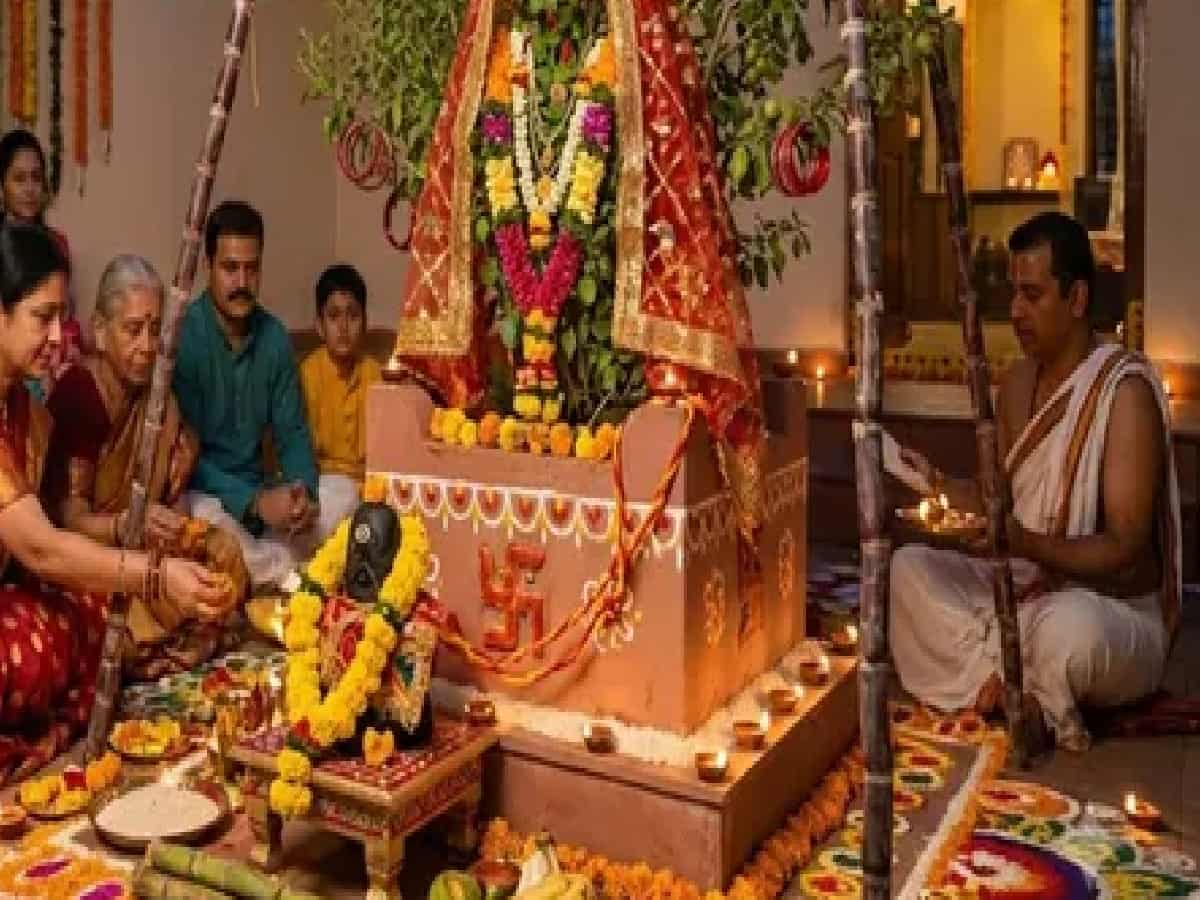
Across India’s spiritual heartland—from bustling temple towns in Uttar Pradesh such as Ayodhya, Varanasi, and Mathura to vibrant neighborhoods in New Delhi and Lucknow—devotees observe the sacred festival of Tulsi Vivah with deep reverence during the bright fortnight (Shukla Paksha) of the holy month of Kartika. Celebrated on either Kartik Shukla Ekadashi or Dwadashi, this auspicious occasion coincides with Devuthani Ekadashi (also known as Prabodhini Ekadashi), the sacred day when Lord Vishnu awakens from his four-month cosmic yogic sleep (Chaturmas), formally heralding the return of weddings and auspicious ceremonies across Hindu households. Yet behind the joyous ceremonial wedding of Goddess Tulsi and the Shaligram form of Lord Vishnu lies one of the most poignant moral dilemmas in Hindu scripture. Chronicled extensively in the Padma Purana, Shiva Purana, and Skanda Purana, the legend asks an intriguing spiritual question: why did Lord Vishnu, the preserver of righteousness, resort to illusion against Vrinda—one of his own purest devotees—and how did her heartbroken curse give birth to Mother Tulsi?
Spiritual Significance of Tulsi Vivah and Devuthani Ekadashi
In Hindu household tradition, the Tulsi plant is far more than a medicinal herb; she is revered as the earthly manifestation of Goddess Lakshmi and an indispensable bridge between human devotion and divine grace. Performing Tulsi Vivah with proper Vedic rituals is believed to dissolve misunderstandings in married life, restore emotional harmony within families, and bless unmarried seekers with suitable life partners. Devotees across North India decorate their courtyards with sugarcane stalks, marigolds, and earthen lamps, conducting a full ceremonial marriage between a sacred Shaligram stone and a Tulsi plant adorned in bridal red attire.
Scriptural scholars explain that observing Tulsi Vivah bestows Akhand Saubhagya (enduring marital fortune) and immense spiritual merit comparable to Kanyadaan. However, the emotional depth of this ritual stems directly from an ancient cosmic conflict in which Lord Vishnu willingly accepted a painful curse from his most loyal devotee in order to safeguard the survival of the entire universe.
Who Was Vrinda? The Devout Wife of Invincible Demon King Jalandhar
According to Puranic lore, in ancient times there lived a virtuous woman named Vrinda. Although born into an Asura (demon) lineage, Vrinda possessed an extraordinary spiritual disposition from early childhood, dedicating her heart entirely to the worship of Lord Vishnu. As she grew older, she was married to Jalandhar, a formidable and ambitious demon king born from the fierce energy of Lord Shiva’s third eye and raised by the ocean.
Despite her husband’s aggressive nature, Vrinda lived the life of an exemplary, devoted wife while remaining steadfast in her daily prayers to Shri Hari. Over time, Jalandhar’s pride swelled uncontrollably, sparking a devastating war between the Devas (celestial gods) and the Asuras. Leading the demonic armies with unmatched ferocity, Jalandhar drove the gods out of heaven and plunged the three worlds into terror. None of the celestial warriors—not even Indra—could pierce Jalandhar’s defenses. The true secret behind Jalandhar’s invincibility lay not in his weapons, but in the impenetrable spiritual shield forged by Vrinda’s unwavering chastity (Pativrata Dharma) and relentless penance on his behalf.
Cosmic Dilemma: Why Lord Vishnu Assumed Jalandhar's Form
As the Devas suffered mounting defeats and cosmic order teetered on the brink of collapse, the gods fled to Vaikuntha to seek refuge with Lord Vishnu. Assessing the crisis, Lord Vishnu recognized a profound spiritual truth: as long as Vrinda’s vow of devotion and sacred ritual remained unbroken, not even Lord Shiva could slay Jalandhar on the battlefield. Faced with an agonizing choice between sparing his purest devotee’s feelings and rescuing the entire cosmos from tyranny, Lord Vishnu made the difficult decision to uphold universal Dharma through divine illusion (Maya).
While Jalandhar was locked in fierce combat with Lord Shiva, Lord Vishnu assumed the exact physical appearance, voice, and royal bearing of the demon king and appeared before Vrinda at her palace. Overjoyed to see her husband seemingly return victorious and unharmed from war, Vrinda immediately rose from her sacred worship seat and stepped forward to touch his feet in reverence. The very instant she touched the disguised Lord’s feet, her continuous meditative vow was interrupted. With Vrinda’s protective shield dissolved, Jalandhar’s armor shattered on the battlefield, enabling Lord Shiva to strike him down and restore peace to the heavens.
Vrinda's Curse: Why Lord Vishnu Turned to Stone and Endured Separation
Moments later, when the illusion faded and Vrinda realized that her beloved Lord Vishnu had deceived her, she was overwhelmed by profound grief, betrayal, and righteous fury. Confronted with the reality of her husband’s death at the hands of the very deity she had worshipped all her life, Vrinda pronounced a solemn curse upon Lord Vishnu. She declared that just as he had used deception to separate her from her husband, his own love would remain incomplete across his earthly incarnations—foretelling that when he descended as Lord Rama, he would endure the agony of separation from Mata Sita, and when he incarnated as Lord Krishna, his earthly union with Radha Rani would remain unfulfilled despite boundless divine love.
In the wake of Vrinda’s intense spiritual wrath, Lord Vishnu was immobilized and transformed into dark stone—the sacred Shaligram—triggering sudden upheaval and panic across all three worlds. Alarmed by the cosmic disruption, the Devas and Goddess Lakshmi appeared before Vrinda, gently explaining the existential necessity behind Lord Vishnu’s painful action and pleading with her to withdraw her curse for the welfare of creation. Moved by compassion for the universe, Vrinda released Lord Vishnu from his petrified state, then sat peacefully with her husband’s head in her lap and entered the sacred funeral pyre.
From Sacred Ashes to Mother Tulsi: Lord Vishnu's Eternal Boon
As the flames subsided, a dazzling beam of divine radiance rose from Vrinda’s sacred ashes, giving birth to a lush, fragrant green plant upon the earth. Honoring Vrinda’s unmatched purity, devotion, and supreme sacrifice, Lord Vishnu blessed the sacred plant and named her Tulsi, declaring her forever dearer to him than life itself.
To immortalize their spiritual bond, Lord Vishnu granted Vrinda an eternal boon: that he would always reside alongside her in his Shaligram form, that any worship offered to Shri Hari without Tulsi leaves would remain incomplete, and that he would never accept any bhog (sacred food offering) unless adorned with a leaf of Tulsi. Every year on Devuthani Ekadashi, when devotees across New Delhi, Lucknow, Varanasi, and households worldwide celebrate Tulsi Vivah, they honor not merely a festive ritual, but the timeless triumph of devotion, sacrifice, and divine grace.




