







Chhath Puja 2026: The Untold Legend of Mata Sita's Fast in Munger
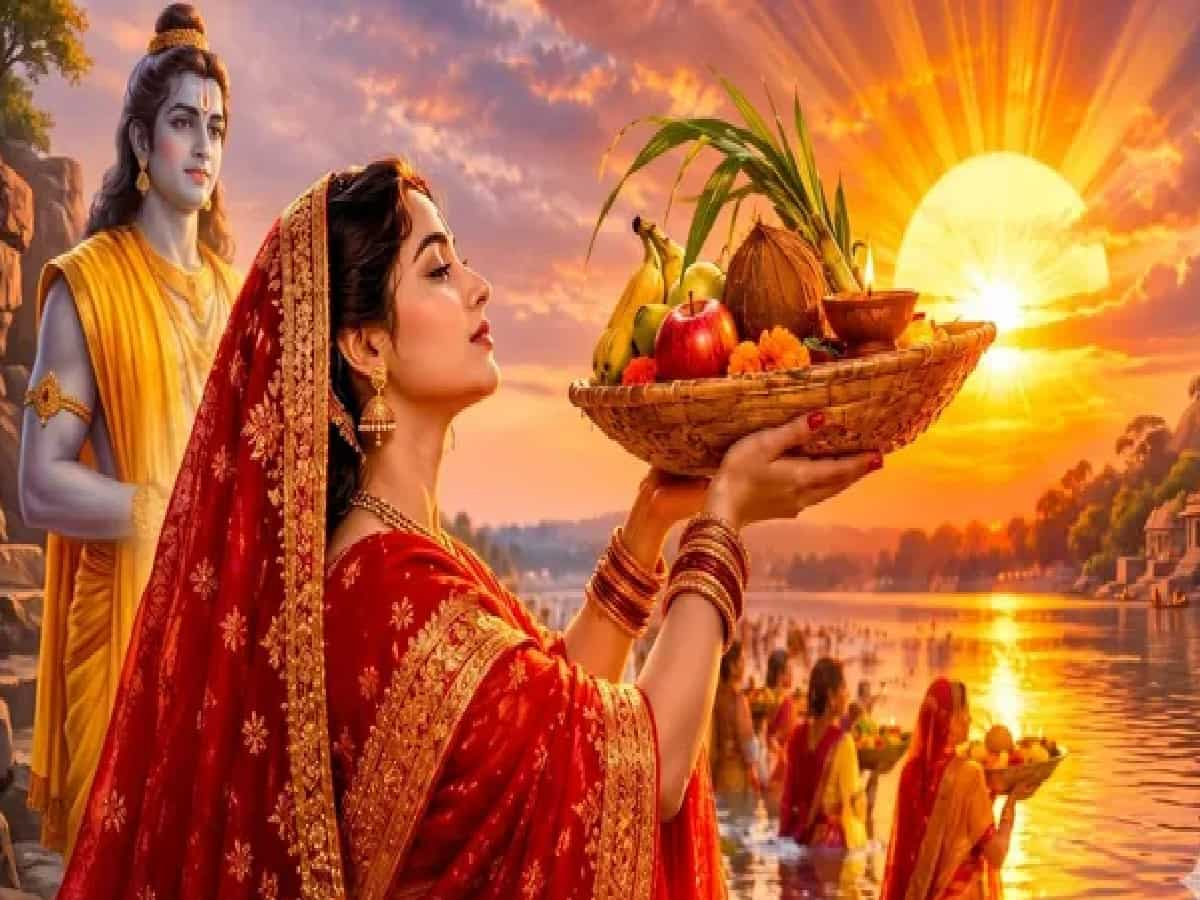
As the festive brilliance of Diwali fades, millions of households across India turn their hearts toward Chhath Mahaparva, one of the oldest and most spiritually rigorous festivals of folk faith in Hindu tradition. Celebrated across Bihar, Jharkhand, and eastern Uttar Pradesh—from the sacred ghats of Patna, Varanasi, Prayagraj, and Ayodhya to bustling neighborhoods in Lucknow, New Delhi, and Mumbai—the four-day festival honors Surya Dev, the Sun God, and Chhathi Maiya. In 2026, the sacred observance unfolds from Friday, November 13, with Nahay Khay, to Monday, November 16, with Usha Arghya. While popular folklore frequently links the origins of Chhath Puja to the Mahabharata era through the devotion of Draupadi and Karna, ancient regional scriptures and oral traditions preserve an even older, deeply moving chapter stretching back to the Treta Yuga. According to centuries-old spiritual lore rooted along the banks of the River Ganga in Bihar, it was Mata Sita herself who performed one of the earliest recorded Chhath fasts, laying the devotional foundation for a tradition that has endured across millennia.
Mata Sita and Chhath Puja: The Treta Yuga Legend of Munger
The sacred connection between the Ramayana and Chhath Puja begins shortly after Lord Rama’s triumphant victory over Ravana in Lanka and his return to Ayodhya. Although Ravana was a tyrannical ruler who abducted Mata Sita, he was also a learned Brahmin scholar and a devout worshipper of Lord Shiva. Following the fierce war, royal preceptors and sages advised Lord Rama and Mata Sita to undertake a sacred ritual of purification and atonement (Rajasuya and Surya Upasana) to restore cosmic harmony and invite enduring peace across the kingdom.
To perform this solemn observance away from the royal court, Lord Rama and Mata Sita journeyed eastward to the serene banks of the River Ganga in present-day Munger, Bihar, where the revered ascetic Sage Mudgal maintained his hermitage. Guiding the royal couple in ancient Vedic traditions of solar worship, Sage Mudgal advised Mata Sita to observe a strict, purifying fast dedicated to Surya Dev on Kartik Shukla Shashthi—the sixth day of the bright lunar fortnight in the holy month of Kartika. Honoring the sage’s counsel with complete devotion, Mata Sita bathed in the sacred waters of the Ganga, observed austere self-restraint, and offered prayers and Arghya to both the setting and rising sun, invoking divine grace for universal well-being and prosperity.
Sita Charan Temple: Why Munger Is Revered as the Cradle of Chhath
Today, the historic city of Munger in Bihar holds a unique, revered status across India as the spiritual birthplace of Chhath Puja. Anchoring this centuries-old living memory is the famed Sita Charan Temple, situated dramatically on a rocky outcrop rising directly from the middle of the River Ganga near Babua Ghat. For generations, pilgrims, historians, and fasting devotees (vratis) have visited this sacred river shrine to pay homage to the spot where Mata Sita stood while offering prayers to Lord Bhaskar.
Embedded within the dark stone of the rocky island are distinct, centuries-old impressions of human footprints, which local tradition and regional scriptures revere as the sacred Charan Paduka (footprints) of Mata Sita. According to local elders and temple priests, Mata Sita stood upon that very rock facing westward at dusk and eastward at dawn during Kartik Shukla Shashthi to offer Sandhya Arghya and Usha Arghya. Even today, during the four days of Chhath Puja, thousands of devotees row across the Ganga to Sita Charan Temple, lighting earthen lamps and singing traditional folk hymns in remembrance of the Treta Yuga observance.
Karna's Daily Sun Worship in the Ganga: The Anga Kingdom Tradition
Bridging the Treta Yuga of the Ramayana to the Dwapara Yuga of the Mahabharata, the geographic region encompassing Munger and neighboring Bhagalpur—known in ancient India as the Kingdom of Anga—also witnessed the extraordinary devotion of Karna. Born to Kunti and Surya Dev before Kunti’s marriage, Karna inherited an unbreakable spiritual bond with his celestial father, the Sun God. After Duryodhana crowned Karna the King of Anga, his daily devotion along the banks of the Ganga became legendary across Aryavarta.
According to Mahabharata lore, Karna woke before dawn every single day, entered the cold waters of the Ganga until he stood waist-deep, and offered water and prayers to the rising sun for hours with unwavering concentration. Immediately after completing his Surya Arghya, Karna practiced his famous vow of boundless generosity (Daan), never turning away any seeker, Brahmin, or needy citizen who asked for gold, land, or sustenance. Spiritual scholars note that the defining physical posture of modern Chhath Puja—standing waist-deep in natural river water while holding offerings toward the sun—directly mirrors Karna’s daily discipline on the banks of the Ganga in Anga.
How Draupadi's Chhath Fast Helped the Pandavas Reclaim Their Kingdom
Alongside Karna, Draupadi stands as one of the most celebrated figures associated with the spread of Chhath Puja during the Mahabharata era. When the Pandavas lost their kingdom in a rigged game of dice and were banished to twelve years of arduous forest exile (Vanvas) followed by a year of incognito living, they faced acute hardship, hunger, and uncertainty. Deeply distressed by the suffering of her husbands and anxious about how to feed visiting sages in the wilderness, Draupadi sought spiritual guidance from the Pandavas’ royal priest, Sage Dhaumya.
Sage Dhaumya instructed Draupadi to observe the sacred Chhath fast with complete purity and devotion to Surya Dev, assuring her that the Sun God’s blessings would alleviate their adversity and restore their rightful fortune. Following every rule of cleanliness, fasting, and evening-and-morning Arghya with steadfast faith, Draupadi earned the grace of Surya Dev, who blessed the Pandavas with the inexhaustible Akshaya Patra vessel and paved the way for their eventual triumph and return to Hastinapur.
Uniting Ramayana and Mahabharata: The Timeless Spirit of Chhath 2026
From Mata Sita’s serene penance on the rocky shoals of Munger to Karna’s waist-deep dawn prayers and Draupadi’s resolute fast in exile, Chhath Puja weaves together the greatest epics of Indian civilization into a single, unbroken thread of faith. Unlike festivals centered on elaborate temple idols, Chhath remains a pure, egalitarian celebration of nature—honoring the life-giving radiance of the sun and the purifying flow of rivers. As families across Patna, Varanasi, Lucknow, Ayodhya, and New Delhi gather at the ghats between November 13 and November 16, 2026, every offering lifted toward the horizon carries forward a sacred legacy cherished since the age of Sita and Rama.




