







Tulsi Vivah Kanyadaan 2026: Who Can Perform It & Exact Puja Vidhi
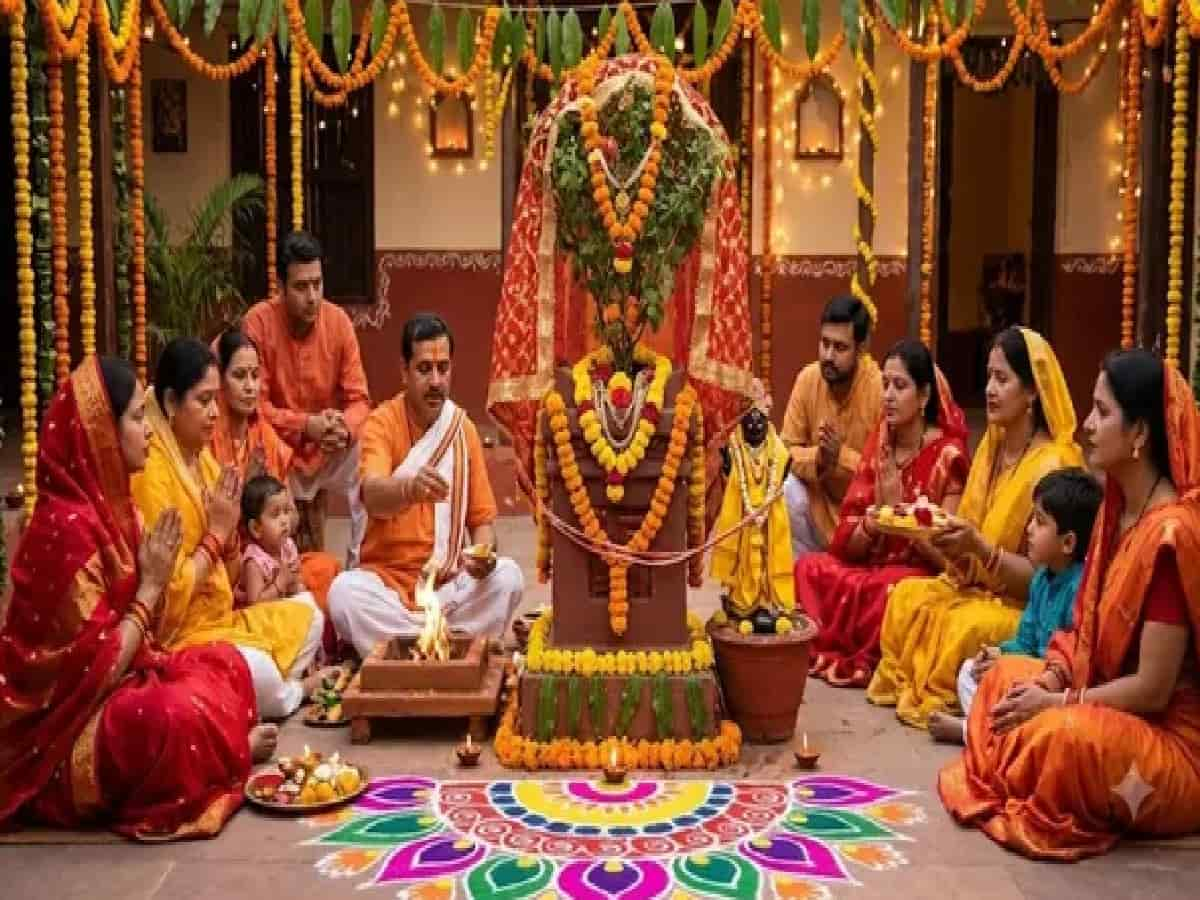
As households and temples across India mark Tulsi Vivah 2026 today, Saturday, November 21, 2026—falling on the sacred twelfth day (Kartik Shukla Dwadashi) of the bright fortnight of Kartik—devotees are preparing to solemnize the celestial union of Mata Tulsi and Lord Shaligram, the revered sacred stone representing Lord Vishnu. While every stage of this traditional wedding ceremony carries deep spiritual resonance, Tulsi Kanyadaan stands at the very heart of the observance. In Sanatan Dharma, kanyadaan is regarded as one of the highest forms of sacred charity (mahadaan), yet families who do not have a daughter—or devotees seeking to deepen their household's spiritual merit—can attain the exact same punya by adopting Goddess Tulsi as their own daughter and offering her hand in marriage to Lord Shaligram during evening Pradosh Kaal prayers. According to Vedic scriptures and long-standing Vaishnava customs across North India, performing Tulsi Kanyadaan with pure devotion not only completes the marriage rites of Mata Tulsi (revered as an earthly manifestation of Goddess Lakshmi) and Lord Vishnu, but is also believed to pacify ancestral afflictions (Pitru Dosha), dissolve persistent obstacles in children's marriages, and usher lasting peace, harmony, and prosperity into the home. Crucially, unlike rigid ceremonies restricted to specific individuals, any married couple in the household, the head of the family alongside their spouse, or even a temple priest can perform this sacred ritual—provided they observe physical cleanliness, fasting or sattvic discipline, and heartfelt devotion. For families, devotees, and readers across Unnao, Lucknow, Kanpur, Ayodhya, Varanasi, Mathura, Prayagraj, Patna, and New Delhi, understanding who holds this privilege and how to execute each step accurately ensures a deeply fulfilling celebration tonight.
Tulsi Vivah Kanyadaan Guide (Nov 21, 2026): Eligibility, Benefits & Step-by-Step Vidhi
To bring together the spiritual significance of Tulsi Kanyadaan, the rules governing who may perform the ceremony, and the sequential wedding rituals practiced in homes and temples, the tables below organize the essential details:
Who Can Perform Tulsi Kanyadaan & Scriptural Benefits
| Ritual Dimension | Verified Scriptural & Traditional Guidance | Spiritual & Family Benefits |
| Primary Eligibility (Householders) | The head of the household and spouse, or any married couple living in the home, may perform Tulsi Kanyadaan by treating Mata Tulsi as their own daughter. | Especially cherished by couples without a daughter, as scriptures equate Tulsi Kanyadaan with the supreme merit (punya) of kanyadaan. |
| Alternative Eligibility (Temples / Proxy) | If no married couple is available at home, an elder family member or a temple priest (purohit) can solemnize the Kanyadaan on the family's behalf. | Ensures no household is deprived of participating in the auspicious Kartik Dwadashi ceremony. |
| Essential Observance Rules | Performers must bathe, wear clean traditional attire (preferably yellow or red), maintain a sattvic mindset, and avoid tamasic food or negativity. | Sanctifies the sankalpa (sacred vow) and aligns the ritual with Vedic marriage norms. |
| Key Spiritual & Household Outcomes | Unites Goddess Lakshmi (Mata Tulsi) and Lord Vishnu (Shaligram) in the home courtyard or prayer room. | Believed to reduce ancestral curses (Pitru Dosha), remove delays in marriage, and foster domestic harmony and abundance. |
Step-by-Step Method (Puja Vidhi) for Tulsi Kanyadaan
| Step | Ritual Stage | Exact Procedure to Follow |
| 1 | Mandap & Bridal Adornment | Clean the courtyard or puja area, draw a sacred rangoli, erect a small mandap with sugarcane stalks, drape the Tulsi plant in a red chunari, bangles, flowers, and bridal ornaments, and dress Lord Shaligram in yellow silk (pitambari). |
| 2 | Sankalpa (Sacred Vow) | The married couple sits facing the mandap, meditates upon Lord Vishnu and Goddess Tulsi, and takes a formal sankalpa with water, flowers, and unbroken rice (akshat) to conduct the marriage and kanyadaan. |
| 3 | Gathbandhan (Sacred Knot) | Place Lord Shaligram beside Mata Tulsi inside the mandap and tie one end of a sacred red-and-yellow cloth or scarf (chunari) to the Tulsi plant and the other end to Lord Shaligram. |
| 4 | Kanyadaan Sankalpa & Worship | Holding water, akshat, and flowers in their palms, the couple recites the kanyadaan vow—symbolically placing Mata Tulsi's hand into Lord Shaligram's care—followed by offerings of tilak, fruits, sweets, and incense. |
| 5 | Seven Pheras, Mangalashtak & Aarti | Perform seven circumambulations (saat pheras) around the mandap while women sing traditional Tulsi Vivah geet, concluding with a grand aarti and distribution of prasad. |
Why Tulsi Kanyadaan Is Revered as Equal to Giving Away a Daughter
In Hindu Dharma, Tulsi Vivah is far more than a symbolic seasonal custom—it is celebrated with every formal rite of a traditional Vedic wedding, from haldi and tilak to gathbandhan, kanyadaan, and saat pheras. Because Mata Tulsi embodies the divine grace of Goddess Lakshmi and Lord Shaligram represents Lord Vishnu, a family that nurtures the Tulsi plant all year and offers her hand in marriage on Kartik Shukla Dwadashi experiences the sacred parental emotion of welcoming the Divine into their lineage. Scriptures hold that this selfless act of devotion generates immense punya, helping heal unresolved ancestral debts (Pitru Dosha), smoothing obstacles in the marriage of sons and daughters, and inviting enduring peace into the household.
Practical Tips for Performing the Ceremony Smoothly at Home Tonight
To ensure a serene and authentic Tulsi Kanyadaan during tonight's auspicious Pradosh Kaal, prepare all items—including a clean brass plate for Lord Shaligram, Panchamrit, turmeric, vermilion (sindoor), akshat, fresh flowers, a red chunari, yellow cloth, sugarcane stalks, and ghee lamps—before sunset. Whether conducted in an open courtyard in Awadh or Mithila or on an apartment balcony in a bustling city, sincerity of heart remains the true essence of the ritual, transforming every home that performs Tulsi Kanyadaan into a blessed sanctuary of devotion.




