







Tulsi Vivah 2026 Today: Shubh Muhurat, Puja Vidhi, Katha & Aarti Guide
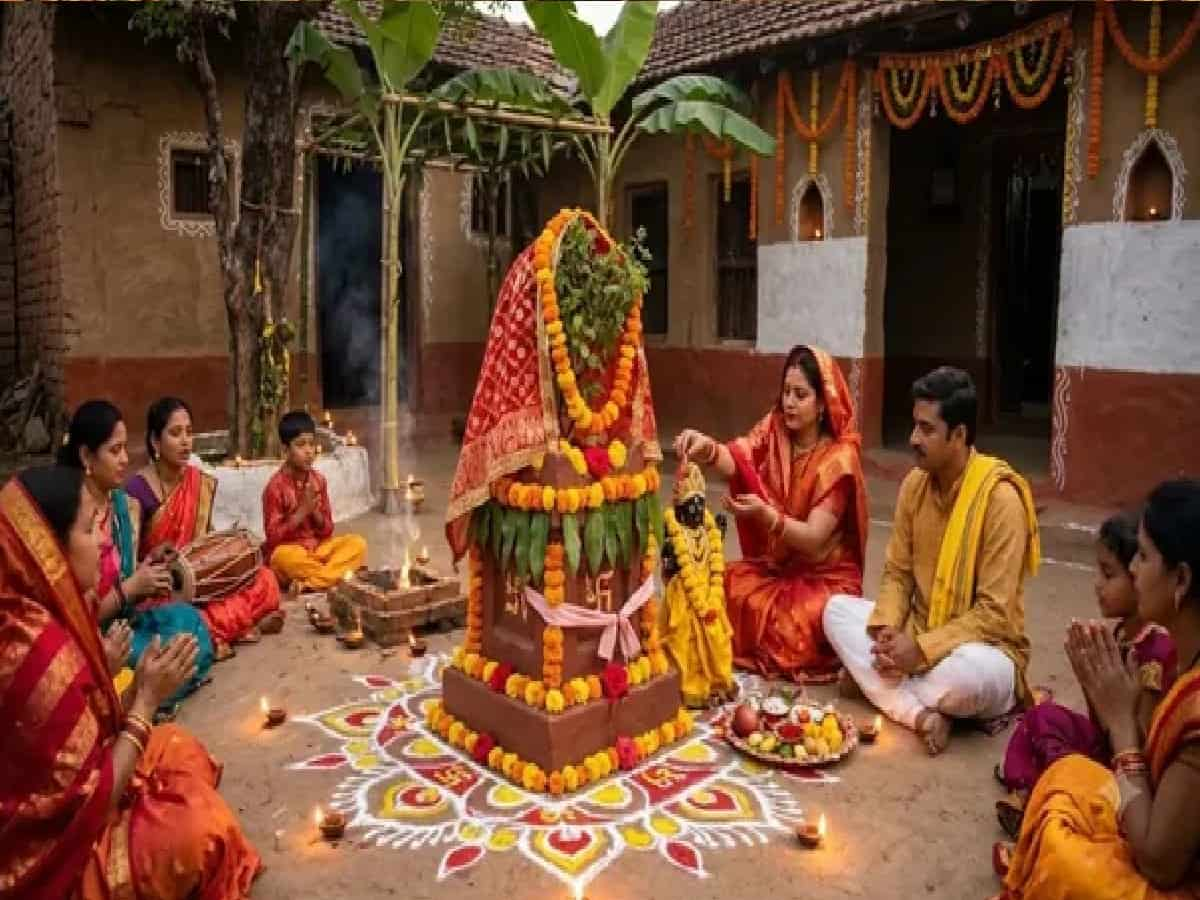
Fresh sugarcane stalks erected around the household courtyard, vibrant red bridal chunaris, fragrant marigolds, and glowing ghee lamps mark the sacred celebration of Tulsi Vivah 2026 across India today, Saturday, November 21, 2026. Falling on the auspicious twelfth lunar day (Kartik Shukla Dwadashi) of the bright fortnight of Kartik, this deeply cherished Hindu festival commemorates the divine celestial union of Mata Tulsi and Lord Shaligram, the sacred fossilized stone revered as an embodiment of Lord Vishnu. Following the awakening of Lord Vishnu from His four-month Yoga Nidra (Chaturmas) on Devuthani Ekadashi, Tulsi Vivah formally inaugurates the Hindu wedding season—symbolizing the triumph of pure devotion, domestic harmony, and auspicious beginnings. According to Vedic Panchang calculations, the Kartik Shukla Dwadashi Tithi commenced at 6:31 AM on November 21 and continues until 4:56 AM on November 22, 2026, making Saturday the principal day for household and temple celebrations. Devotees preparing to solemnize the sacred alliance at home can align their preparations with key auspicious windows today—including Abhijit Muhurat from 11:16 AM to 12:28 PM for daytime setup and Godhuli Muhurat from 5:25 PM to 5:52 PM (extending into evening Pradosh Kaal) for the ceremonial wedding rites. According to Hindu scriptures, conducting the marriage and kanyadaan of Mata Tulsi with sincere devotion bestows spiritual merit (punya) comparable to giving away a daughter in marriage, removing obstacles in family alliances and inviting peace and abundance. For families, devotees, and readers across Unnao, Lucknow, Kanpur, Ayodhya, Varanasi, Mathura, Prayagraj, Patna, and New Delhi, following the complete puja sequence, remembering the ancient Vrinda-Jalandhar Katha, and concluding with Mata Tulsi's devotional aarti brings timeless spiritual warmth to the home.
Tulsi Vivah 2026 Panchang Timings & Step-by-Step Puja Vidhi (Nov 21)
To help households organize both daytime arrangements and the main twilight wedding ceremony accurately on Saturday, November 21, 2026, the tables below summarize the verified Panchang timings and step-by-step ritual sequence:
Auspicious Timings (Shubh Muhurat) on Saturday, November 21, 2026
| Panchang Window / Tithi | Verified Timing (IST — Nov 21, 2026) | Recommended Ritual Activity |
| Kartik Shukla Dwadashi Tithi | 6:31 AM (Nov 21) to 4:56 AM (Nov 22) | Governs the sacred Dwadashi observance of Tulsi Vivah across homes and temples. |
| Brahma Muhurat | 5:01 AM to 5:30 AM | Early morning bathing, courtyard cleansing, and personal sankalpa (vow). |
| Abhijit Muhurat | 11:16 AM to 12:28 PM | Ideal midday window for drawing rangoli, gathering sugarcane stalks, and preparing bridal adornments. |
| Godhuli Muhurat (Main Wedding Window) | 5:25 PM to 5:52 PM (into Pradosh Kaal) | Most auspicious twilight hour for draping Tulsi's red chunari, placing Lord Shaligram, gathbandhan, and aarti. |
Step-by-Step Procedure (Puja Vidhi) for Tulsi Vivah at Home
| Step | Ritual Stage | How to Perform the Ceremony |
| 1 | Courtyard Cleansing & Sugarcane Mandap | Clean the courtyard or prayer space thoroughly, draw an auspicious rangoli, and erect a traditional canopy (mandap) around the Tulsi planter using fresh sugarcane stalks. |
| 2 | Bridal Adornment (Solah Shringar) | Drape Mata Tulsi in a vibrant red chunari and offer traditional bridal items including sindoor (vermilion), bindi, glass bangles, turmeric, and fresh floral garlands. |
| 3 | Installing Lord Shaligram & Gathbandhan | Place Lord Shaligram on a clean wooden seat beside the Tulsi plant, apply turmeric and kumkum tilak to both, and tie them together with a sacred red-and-yellow cotton thread (kalava or scarf) symbolizing marital union. |
| 4 | Seasonal Offerings (Bhog) | Offer fresh flowers, akshat (unbroken rice), seasonal fruits such as amla (Indian gooseberry), ber (plum), and sugarcane pieces, along with homemade sattvic sweets. |
| 5 | Seven Pheras & Closing Aarti | Light ghee lamps around the mandap, perform seven circumambulations (saat pheras) while singing traditional wedding songs, and conclude with Mata Tulsi's aarti and prasad distribution. |
The Sacred Mythological Story (Katha) Behind Tulsi and Lord Shaligram
The spiritual origin of Tulsi Vivah is rooted in the ancient Puranic legend of Vrinda, a woman of extraordinary piety and unwavering devotion to her husband, the mighty asura king Jalandhar. Because Vrinda's steadfast chastity and penance rendered Jalandhar invincible even against the celestial deities, the gods appealed to Lord Vishnu to restore cosmic balance. Assuming Jalandhar's appearance, Lord Vishnu approached Vrinda, unintentionally breaking the spiritual shield of her vow and enabling Jalandhar's defeat in battle. When Vrinda realized what had occurred, grief-stricken yet unwavering in her righteousness, she relinquished her mortal body—and from the sacred ashes of her devotion sprouted the Tulsi plant. Deeply moved by her supreme virtue, Lord Vishnu blessed Vrinda with immortality as Goddess Tulsi, declaring that no offering or worship made to Him would ever be accepted without a Tulsi leaf, and promising to wed her eternally in His sacred stone manifestation as Shaligram every year on Kartik Shukla Dwadashi.
Essence of Mata Tulsi's Devotional Aarti and Spiritual Blessings
Once the ceremonial knot (gathbandhan) and seven rounds (pheras) are completed during tonight's twilight prayers, families gather around the illuminated sugarcane mandap to sing "Jai Tulsi Mata, Maiya Jai Tulsi Mata"—a traditional hymn praising Mata Tulsi as the bringer of universal well-being, remover of ailments and worldly afflictions, and beloved consort of Lord Hari (Vishnu). Through these devotional verses, worshippers seek protection from negativity, harmony within the family, and spiritual purity, concluding the festival by sharing prasad of amla, sugarcane, and sweets under the glow of earthen lamps.




