







Tulsi Vivah 2026: Traditional UP-Bihar Folk Songs & Pradosh Muhurat
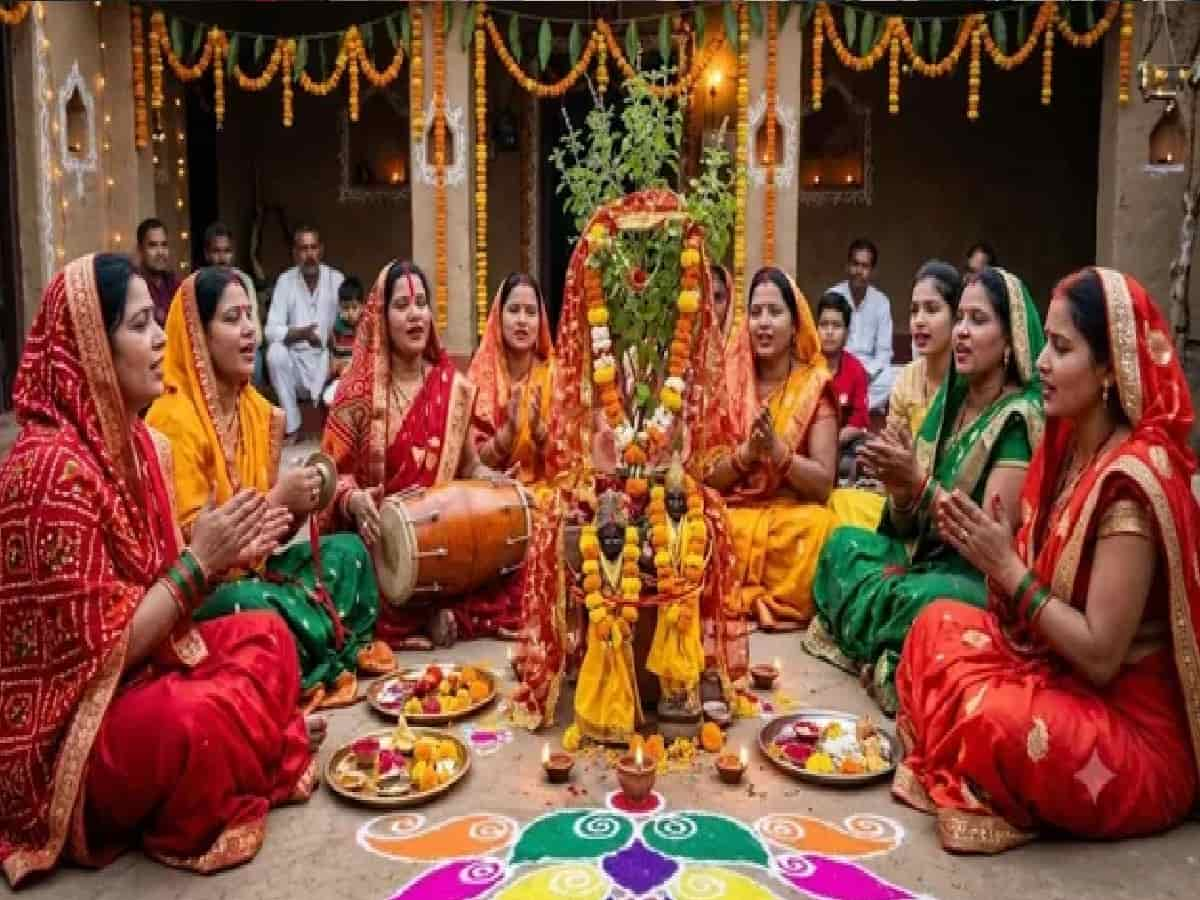
Courtyard lamps glow brighter and traditional wedding melodies echo across households in Uttar Pradesh and Bihar today, Saturday, November 21, 2026, as devotees celebrate Tulsi Vivah 2026—the sacred ceremonial wedding of Goddess Tulsi (Mata Tulsi) and Lord Shaligram, the revered representation of Lord Vishnu. Falling on Kartik Shukla Dwadashi—with the Dwadashi Tithi running from 6:31 AM on November 21 until 4:56 AM on November 22 and the most auspicious Pradosh Kaal evening puja window spanning 5:25 PM to 7:49 PM (Godhuli Muhurat from 5:25 PM to 5:52 PM)—the festival marks the formal end of Chaturmas and heralds the arrival of the auspicious Hindu marriage season. Across the Gangetic plains, from Unnao, Lucknow, Kanpur, Ayodhya, Varanasi, and Prayagraj in Uttar Pradesh to Patna, Gaya, Muzaffarpur, Darbhanga, and Bhagalpur in Bihar, families treat Mata Tulsi as their own beloved daughter—erecting miniature mandaps of fresh green sugarcane stalks, draping the sacred Tulsi plant in a vibrant red chunari, bangles, and sindoor, and performing kanyadaan and pheras with Lord Shaligram. What infuses these household ceremonies with unmistakable warmth and cultural soul are the traditional Tulsi Vivah Geet (folk songs) sung collectively by women to the rhythm of the dholak and clapping hands—led by beloved verses such as "Aaj Dulha Bane Shaligram, Sakhiyon Nacho Ri" ("Today Shaligram has become the groom, friends, dance!"). For devotees preparing evening rituals, cultural enthusiasts, and families across Unnao, Lucknow, Kanpur, Varanasi, Gorakhpur, Patna, Ranchi, and New Delhi, these timeless folk verses capture both deep Vaishnava devotion and the joyful intimacy of North Indian family traditions.
Tulsi Vivah 2026 Date, Evening Muhurat & UP-Bihar Folk Songs Guide
To help families observing Tulsi Vivah today align their evening courtyard ceremony with the Vedic Panchang while exploring the four signature folk songs sung across Uttar Pradesh and Bihar, the tables below summarize the verified timings and verses:
Tulsi Vivah 2026 Panchang & Evening Puja Timings (Saturday, November 21, 2026)
| Panchang / Ritual Parameter | Verified Timing (IST — Nov 21, 2026) | Spiritual & Ritual Significance |
| Hindu Lunar Date (Tithi) | Kartik Shukla Dwadashi | Follows Dev Uthani Ekadashi (observed Nov 20), marking Lord Vishnu's awakening and the start of the wedding season. |
| Dwadashi Tithi Window | 6:31 AM (Nov 21) to 4:56 AM (Nov 22) | Governs Dwadashi-tradition Tulsi Vivah celebrations across North India, Bihar, Maharashtra, and Gujarat. |
| Pradosh Kaal Muhurat (Main Puja) | 5:25 PM to 7:49 PM | Most auspicious twilight-to-evening period for bathing Shaligram in Panchamrit, draping Tulsi's chunari, and performing kanyadaan. |
| Godhuli Muhurat (Sunset Window) | 5:25 PM to 5:52 PM (up to 6:13 PM regionally) | Traditional Hindu wedding twilight hour symbolizing prosperity, harmony, and household blessings. |
Four Iconic Tulsi Vivah Folk Songs of Uttar Pradesh & Bihar and Their Meanings
| # | Traditional Folk Song Verse (Transliterated / Translated) | Ritual Moment When Sung | Devotional & Cultural Meaning |
| 1 | "Aaj dulha bane Shaligram, sakhiyon nacho ri; Tulsi Maiya ki saji hai baraat, sakhiyon nacho ri." ("Today Shaligram has become the groom, friends, dance; Tulsi Maiya's wedding procession is decorated, friends, dance.") | Welcoming Lord Shaligram into the courtyard mandap | Celebrates Lord Vishnu arriving in bridal splendor as the groom for Mata Tulsi, inviting women and neighbors to rejoice like a real family wedding. |
| 2 | "Tulsi Maiya ke aangan baje badhaiya, aaj Shaligram sang hui sagaiyya." ("Congratulations echo in Tulsi Maiya's courtyard; today she is betrothed to Shaligram.") | Immediately after Kanyadaan, sindoor, and aarti | Bestows badhai (auspicious blessings) upon the household, praying for marital harmony, progeny, and abundance. |
| 3 | "Mere aangan mein aayi hai Tulsa ki baraat, khushiyon ki saugaat bichhi hai mere aangan mein." ("Tulsa's wedding procession has arrived in my courtyard; gifts of happiness are spread across my courtyard.") | During ceremonial reception (dwar puja) of Shaligram | Depicts the sacred presence of Lord Shaligram and Mata Tulsi transforming an ordinary home courtyard into a divine abode of joy. |
| 4 | "Chhoti si Tulsi Maiya, aangan ki shobha hai; tinke se vyah rachave, man mein lobha hai." ("Little Tulsi Maiya is the grace of the courtyard; arranging her marriage even with simple blades of straw awakens pious yearning in the heart.") | During mandap preparation and heartfelt devotional singing | Emphasizes that sincere devotion—not lavish wealth—sanctifies the ritual, inspiring spiritual merit (punya) even in modest homes. |
How Women in UP and Bihar Turn Tulsi Vivah Into a Living Family Wedding
In towns and villages stretching across Awadh, Purvanchal, Bhojpur, Mithila, and Magadh, Tulsi Vivah is never treated as a mere ritual formality. From early afternoon on Kartik Shukla Dwadashi, women clean and plaster the courtyard Tulsi Chaura with sacred rangoli, construct a canopy using four or five fresh sugarcane stalks, and adorn Mata Tulsi with bridal solah shringar—turmeric, vermilion, glass bangles, and a red or yellow chunari. When Lord Shaligram—bathed in Panchamrit and draped in yellow silk (pitambari)—is carried to the mandap, elder women lead younger daughters-in-law in singing "Aaj dulha bane Shaligram, sakhiyon nacho ri" and "Mere aangan mein aayi hai Tulsa ki baraat", blending classical Vaishnava reverence with the tender emotion of a mother bidding farewell to her daughter at kanyadaan.
Spiritual Significance of Performing Tulsi Vivah During Pradosh Kaal
According to Hindu scriptures and the Padma Purana, couples or families who perform the symbolic marriage and kanyadaan of Goddess Tulsi and Lord Shaligram on Kartik Shukla Dwadashi—especially during the 5:25 PM to 7:49 PM Pradosh Kaal window—receive the spiritual merit equivalent to performing a sacred kanyadaan in life, removing obstacles to marriage and inviting peace and prosperity into the home. As lamps made of ghee and fresh amla (gooseberry) flicker beside the sugarcane mandap tonight, these enduring folk melodies ensure that centuries-old oral heritage remains alive from one generation to the next.




