







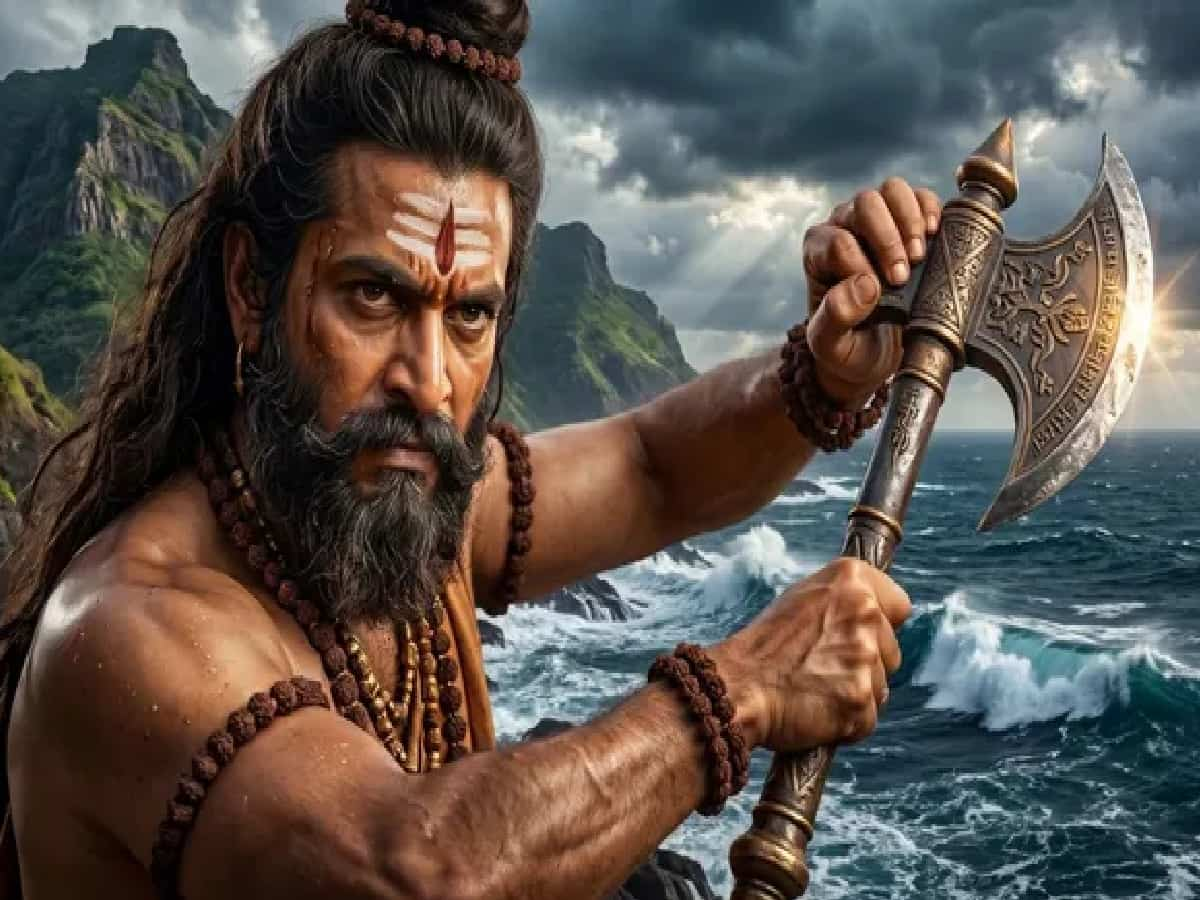
Parashurama Axe Legend: How Sea Receded to Form Konkan & Kerala
Across Indian mythology and regional folklore, few origin stories blend ascetic renunciation with dramatic geography quite like the legend of Lord Parashurama reclaiming land from the sea. Highlighted across cultural, heritage, and spiritual desks on Thursday, November 26, 2026, the tradition—revered across North India's pilgrimage centers like Lucknow, Varanasi, Ayodhya, and Prayagraj as well as deeply woven into the coastal heritage of Maharashtra, Goa, and Kerala—tells how Parashurama, counted as the sixth avatar of Lord Vishnu, gave away his earthly domain after a major sacrifice (yagna) to Sage Kashyapa and honored the vow of total relinquishment by leaving the land behind. Faced with nowhere to dwell once the gift was complete, Parashurama ascended the Sahyadri heights overlooking the western sea, appealed to the ocean god (Varuna), and cast his sacred axe (Parashu)—bestowed by Lord Shiva—into the waves so the waters drew back, revealing lush green plains, palms, and fertile ground known in tradition as Parashurama Kshetra.
Donating the Earth to Sage Kashyapa: The Vow of Total Relinquishment
To bring together how Parashurama's grand yagna and land grant to Sage Kashyapa set the stage for his journey, why he refused to stay on land he had already given away, and how his appeal to the ocean and throw of the axe formed coastal lore, the tables below organize key elements of the narrative:
Key Episodes in the Parashurama Coastal Creation Legend
| Story Stage | Puranic & Folk Narrative | Symbolic & Cultural Meaning |
| 1. The Mahayagna & Gift to Sage Kashyapa | After performing a great yagna, Lord Parashurama donates the earth to Sage Kashyapa, who reminds him that once donated, he no longer holds right to live upon it. | Highlights strict adherence to one's word and complete detachment from gifted possessions. |
| 2. Standing at Sahyadri & Appealing to the Sea | Departing without argument, Parashurama looks out from the Sahyadri range toward the ocean and seeks space to live, only for towering waves not to yield ground immediately. | Contrasts unyielding natural forces with a warrior-sage's resolve. |
| 3. Casting Lord Shiva's Axe | Wielding his axe (Parashu) received from Lord Shiva, Parashurama hurls it into the sea; where it strikes, the ocean recedes and fertile ground emerges. | Connects divine tapasya and martial strength with the creation of livable terrain. |
Parashurama Kshetra Across India's Western Coast
| Region | Traditional Association | Cultural & Devotional Link |
| Konkan Coast (Maharashtra) | Counted within the broader belt of Parashurama Kshetra stretching along the western littoral. | Preserves local temples, oral histories, and coastal farming traditions linked to Parashurama. |
| Goa | Associated in regional lore with reclaimed coastal plains and settlement traditions. | Forms a celebrated chapter in western coastal folklore and temple heritage. |
| Kerala | Widely remembered in traditional narratives as land raised from the sea by Parashurama's axe. | Anchors regional origin stories celebrated across coastal communities and festivals. |
Why This Myth Resonates Across Both North and South India
For readers in Lucknow, Varanasi, Ayodhya, Prayagraj, and New Delhi, the story of Lord Parashurama links the epic worlds of the Ramayana and Mahabharata with sacred geography far to the south and west. Rather than treating mythology as a collection of isolated tales, Indian tradition uses stories like this one to connect mountains, rivers, and coastlines into a shared cultural map.
Reading Folklore With Grounded Perspective
While regional traditions across Goa, Maharashtra, and Kerala cherish Parashurama Kshetra as a timeless story of renewal and fertile land, geologists and historians view coastal landscapes through natural processes of erosion, sedimentation, and tectonic uplift over millennia. Appreciating both the poetic depth of Puranic lore and modern geographical history enriches how we read India's living heritage across Lucknow, Varanasi, Ayodhya, Prayagraj, New Delhi, and Mumbai.




