







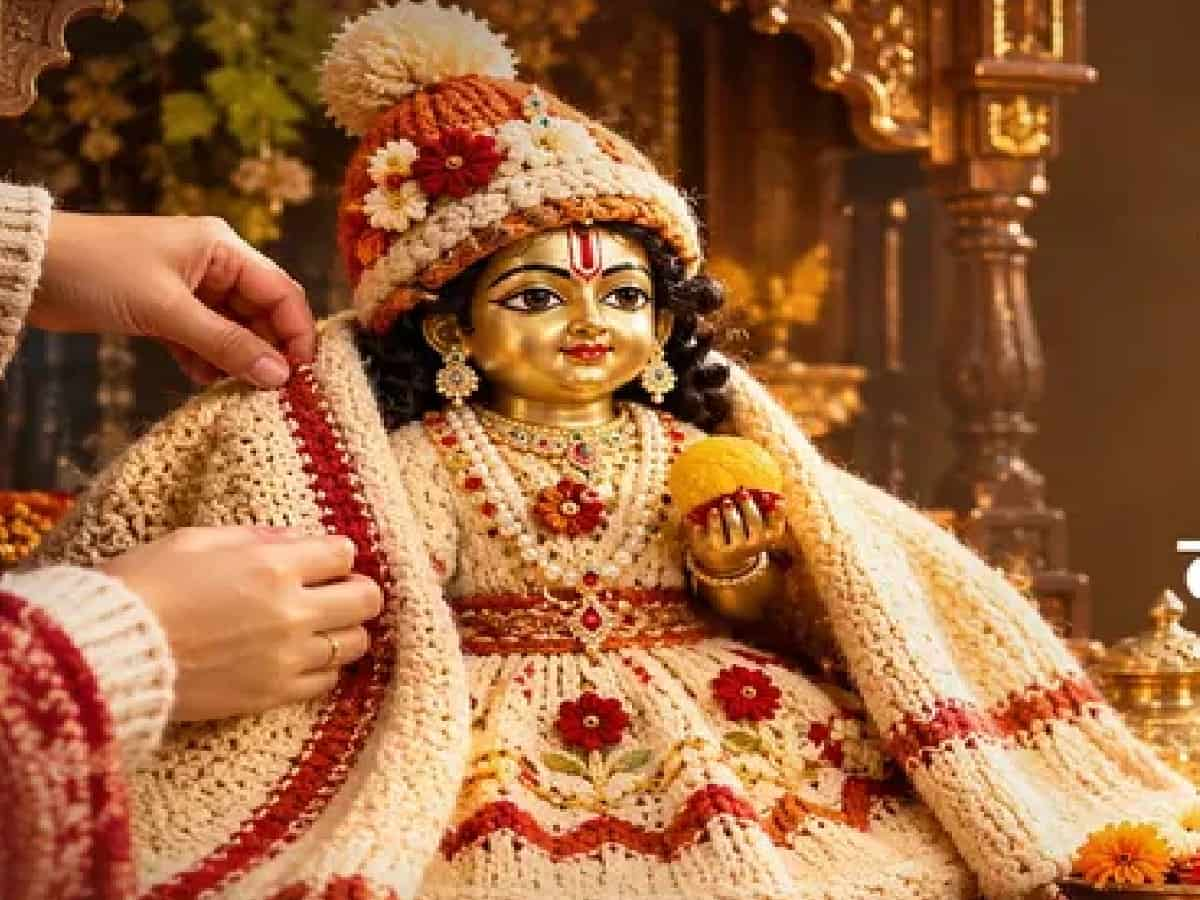
Winter Seva: Warm Attire & Offerings for Laddu Gopal and Ram Lalla
As autumn evenings give way to crisp winter mornings across North India, devotional routines inside homes and temples shift with the weather—treating sacred idols not merely as stone or brass icons, but as living members of the household who require gentle seasonal care. Highlighted across spiritual, cultural, and lifestyle desks on Thursday, November 26, 2026, the tradition of adapting seva (loving service) for child-form deities such as Laddu Gopal (infant Krishna) and Ram Lalla (infant Rama) reflects a deeply personal bond between devotees and the divine. While summer worship favors light cotton attire, cool floral adornments, and cooling refreshments, winter brings hand-knitted woolens, velvet outfits, shawls, caps, and light quilts, alongside lukewarm water for snan (bathing) and warming seasonal bhog (offerings) made with ingredients traditionally regarded in Indian culinary and Ayurvedic custom as ushna (warming). Across Lucknow, Ayodhya, Mathura, Vrindavan, Varanasi, New Delhi, and Jaipur, families and temple priests align morning, evening, and night routines with the chill so that devotion feels attentive, unhurried, and full of warmth.
Winter Seva for Laddu Gopal and Ram Lalla: Attire, Snan & Bhog
To bring together how winter clothing and night coverings change for Laddu Gopal and Ram Lalla during cold months, how bathing and daily temple routines adapt when temperatures drop, and the traditional warming foods offered as winter bhog, the tables below organize key devotional practices:
Winter Attire, Bathing & Nighttime Care in Temples and Homes
| Seva Aspect | Summer & Mild Weather | Winter Adaptation | Devotional & Practical Reason |
| Daily Attire (Poshak) | Light cotton or breathable silk garments suited to warm days. | Woolen sweaters/kurtas, velvet outfits, shawls, caps, and warm wraps, often changed between morning and evening shringar. | Mirrors how family members dress warmly against chilly winds and morning fog. |
| Nighttime Rest (Shayan) | Light sheets or fans/airiness depending on local climate. | Covered with soft blankets, shawls, or light quilts (razai) during night rest hours. | Expresses affectionate care for child-form deities (bal roop) during cold nights. |
| Bathing (Abhishek / Snan) | Normal room-temperature or cool water in warm weather. | Lukewarm water used gently in many homes and temples during cold spells. | Avoids harsh cold water while maintaining clean daily ritual care. |
Warming Foods & Traditional Winter Bhog Offerings
| Food / Ingredient | Traditional Role in Winter Bhog | How Devotees Prepare & Offer It |
| Jaggery (Gud) & Sesame (Til) | Classic winter staples associated with warmth and traditional festive sweets. | Used in til-gud preparations, laddoos, or seasonal sweets offered after aarti. |
| Ghee, Dry Fruits & Nuts | Rich energy-dense staples favored during colder months. | Blended into halwa, panjiri, or sweet offerings served in small portions. |
| Warm Milk, Saffron (Kesar) & Kheer | Comforting warm dairy offerings suited to winter evenings. | Served warm as bhog alongside seasonal fruits and tulsi leaves. |
Why Child-Form Worship (Bal Seva) Feels So Personal in Winter
Across Lucknow, Ayodhya, Mathura, Vrindavan, and Varanasi, worshipping Laddu Gopal or Ram Lalla centers on vatsalya bhava—the tender affection a parent or caregiver feels toward a child. When a mother knits a small woolen cap or a family prepares warm kheer or halwa on a chilly evening in Uttar Pradesh or Delhi-NCR, the act turns everyday winter habits into a quiet expression of care and gratitude.
Keeping Winter Devotional Routines Safe and Mindful
Whether caring for a home shrine in Lucknow or visiting major temples in Ayodhya, Mathura, or Varanasi, devotees keep winter seva simple, safe, and respectful of household comfort. Using gentle lukewarm water, avoiding open flames near fabrics or woolens during aarti, and tailoring offerings to family dietary customs keeps the season's warmth both heartfelt and practical.




