







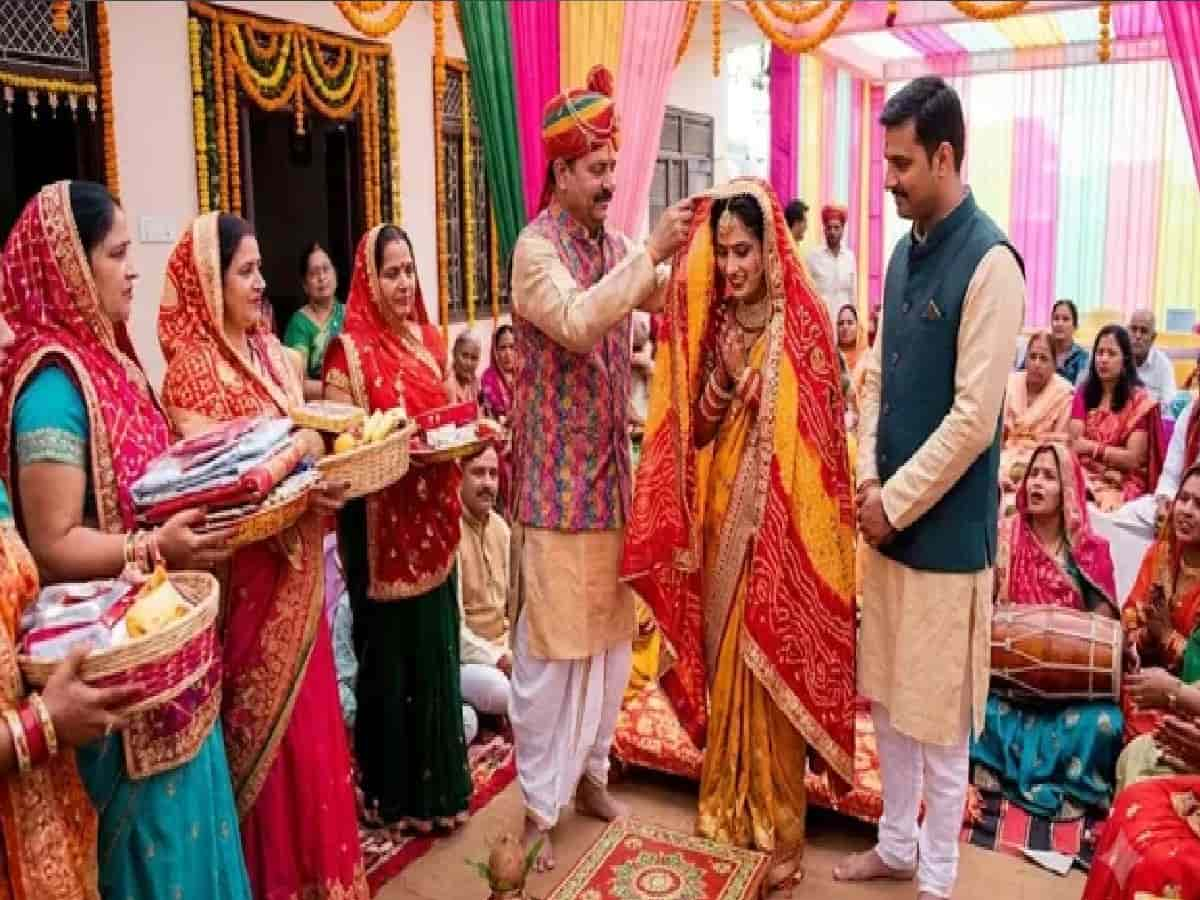
Bhaat Ritual in Indian Weddings: Mama's Role & Regional Names
As the autumn–winter wedding season gathers momentum after Devuthani Ekadashi, families across North and West India are preparing pre-wedding celebrations filled with folk songs, family gatherings, and time-honored customs. Highlighted across culture, lifestyle, and wedding-tradition desks, few ceremonies stir as much emotion as Bhaat—centered on the maternal uncle (mama) arriving to stand beside his sister and niece or nephew at a family wedding. More than a gift exchange, Bhaat expresses a brother's ongoing promise of care, moral backing, and family solidarity as his sister's household celebrates a major milestone. Across Lucknow, Jaipur, New Delhi, Ahmedabad, Bhopal, Chandigarh, and Varanasi, relatives watch for the arrival of the mama and his family, whose presence adds warmth and dignity to pre-wedding festivities and strengthens ties between extended households.
How the Bhaat Ritual Is Performed & Why It Matters
To bring together the step-by-step flow of a traditional Bhaat or Mayra ceremony, the cultural and devotional roots behind the custom, and the regional names and local nuances across Indian states, the tables below organize key wedding-tradition details:
Step-by-Step Flow of the Bhaat Ceremony
| Stage of Ritual | How It Is Typically Performed | Family & Cultural Meaning |
| 1. Arrival & Welcome | The maternal uncle (mama) and his family arrive at the wedding venue or sister's home, often accompanied by music, dhol, or band celebration and welcomed by relatives. | Marks a joyful formal reception of the maternal side (nanihal) into the celebration. |
| 2. Tilak & Greeting | The sister—often joined by family members—greets her brother and guests at the entrance with tilak, aarti, or ceremonial welcome gestures. | Expresses mutual honor, warmth, and kinship between brother and sister. |
| 3. Chunni / Odhani & Gifts | The maternal uncle drapes a chunni or odhani over his sister and presents gifts—typically clothing, jewelry for the bride/groom and close family, sweets, dry fruits, coconuts, and shagun—amid folk songs and blessings. | Symbolizes a brother's affection and standing support for his sister and her family. |
Regional Names & Cultural Context Across States
| Region / State | Common Local Name(s) | How It Is Observed |
| Uttar Pradesh, Haryana, Delhi & Most of Madhya Pradesh | Bhaat (Bhaat nyota / Bhaat bharna) | Widely celebrated ahead of weddings with family gatherings, traditional songs, and gifts from the maternal uncle's side. |
| Rajasthan | Mayra / Mayra bharna | A prominent pre-wedding custom featuring elaborate family hospitality, ceremonial gifts, and heartfelt songs honoring brother–sister ties. |
| Gujarat | Mameru / Mosalu | Deeply cherished in Gujarati wedding customs, where the maternal uncle brings auspicious attire, sweets, and blessings for the wedding household. |
Mythology and Symbolism Behind the Bhaat Tradition
In devotional folklore across North and West India, conversations around Bhaat and Mayra often recall the story of poet-saint Narsi Mehta (Narsi ka Bhaat), in which Lord Krishna is remembered as stepping in to fulfill a sister's wedding obligations when earthly resources fell short. Whether families view the custom through devotional lore or everyday family affection, its core spirit remains straightforward: standing shoulder to shoulder with loved ones during life's big occasions.
Planning Bhaat Smoothly During Peak Wedding Season
During busy wedding weeks in Lucknow, Jaipur, New Delhi, Ahmedabad, and Bhopal, families keep Bhaat warm and stress-free by coordinating timings early, respecting each household's regional customs, and focusing on shared joy rather than lavish display. What matters most is the bond between siblings, elders, and younger generations coming together under one roof.




