







Karthigai Deepam: Legend, Mahadeepam & Tamil Nadu Lamp Festival
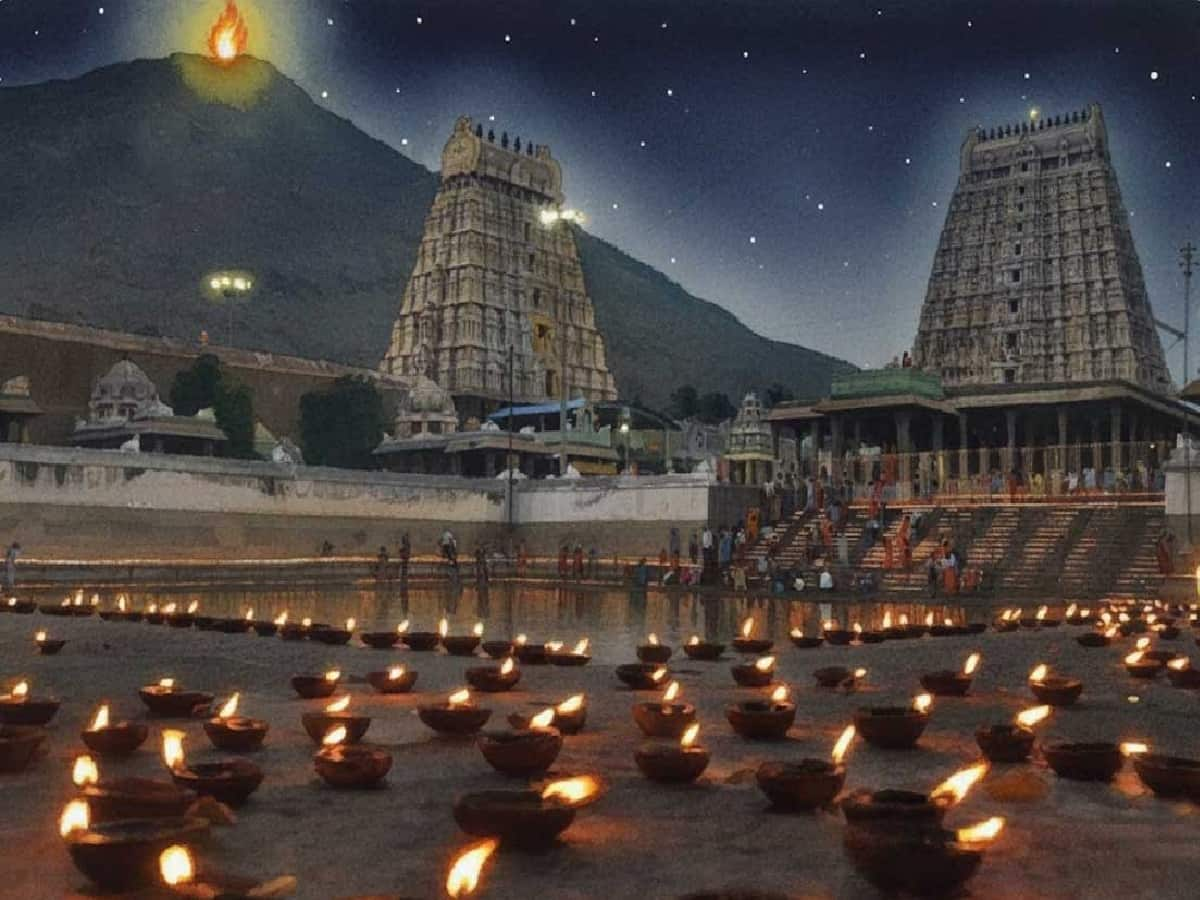
Few sights in Indian temple traditions rival the quiet radiance of Karthigai Deepam, when rows of clay lamps (agal vilakku or diyas) transform courtyards, rooftops, riverbanks, and sacred hills into rivers of warm light. Highlighted across cultural, heritage, and spiritual desks on Thursday, November 26, 2026, the ancient festival—widely known across Tamil Nadu and among Tamil communities worldwide—honors both Lord Shiva in his boundless pillar-of-fire form (Agni Linga) and Lord Murugan (also revered as Kartikeya or Arumugan). At the spiritual heart of the celebration stands Tiruvannamalai, where the towering Arunachaleswara Temple sits at the foot of the sacred Annamalai (Arunachala) Hill and where the evening Mahadeepam is lit atop the summit. While Diwali lights up homes across North and Central India—including cities such as Lucknow, New Delhi, and Varanasi—Karthigai Deepam carries its own distinct Puranic lore, multi-day temple liturgy, and hilltop beacon tradition across Tiruvannamalai, Chennai, Madurai, and Bengaluru.
Legend of Karthigai Deepam: Shiva's Pillar of Fire & Murugan
To bring together the Puranic legend of Lord Brahma, Lord Vishnu, and Lord Shiva's fiery column at Arunachala, how Lord Murugan (Kartikeya / Arumugan) is honored alongside Lord Shiva, and the ten-day ritual arc from flag-hoisting to Bharani Deepam and the evening Mahadeepam, the tables below organize all verified traditions:
Core Legends Behind Karthigai Deepam & Annamalai Deepam
| Sacred Tradition | Puranic & Devotional Narrative | Spiritual Meaning |
| Lord Shiva's Pillar of Fire (Agni Linga) | When Lord Brahma and Lord Vishnu debated supremacy, Lord Shiva appeared as an endless column of blazing light; Brahma took the form of a swan seeking the top and Vishnu took the form of a boar searching for the base, neither finding its limit before realizing Shiva's supreme cosmic presence, which manifested as Arunachala Hill in Tiruvannamalai. | Symbolizes boundless divine consciousness that transcends ego and human measure. |
| Lord Murugan (Kartikeya / Arumugan) | According to legend, six sparks from Lord Shiva became six infants in the Saravana Poigai lotus pool, nurtured by the six Krittika stars (giving him the name Kartikeya) and united into one six-faced form (Arumugan) by Goddess Parvati; Tirupparankundram near Madurai is counted as the first of Lord Murugan's six sacred abodes (Arupadai Veedu). | Celebrates divine grace, courage, and wisdom on the full-moon day aligned with the Krittika star. |
Ritual Stages of the Tiruvannamalai Festival & Lamp Lighting
| Ritual / Festival Stage | Timing & Place | Key Observance |
| Ten-Day Temple Brahmotsavam | Begins with flag-hoisting (Dwajarohanam) under Uttiram / Uttaradam nakshatra at Arunachaleswara Temple, running across ten days culminating on Karthigai Poornima. | Features daily temple processions, chants, and special worship in Tiruvannamalai. |
| Bharani Deepam | Early morning on the day of Karthigai Deepam inside the sanctum / five fire pits at Arunachaleswara Temple. | Precedes the evening hilltop lighting and marks a focal temple ceremony. |
| Mahadeepam & Household Lamps | Evening on Karthigai Deepam atop Annamalai Hill in Tiruvannamalai, accompanied by rows of agal vilakku outside homes and temples. | The hilltop flame serves as a symbolic light of inner awakening visible across the surrounding landscape. |
Why Tiruvannamalai and Karthigai Deepam Resonate So Deeply
For pilgrims and visitors across Tiruvannamalai, Chennai, Madurai, Bengaluru, New Delhi, and Lucknow, Karthigai Deepam blends monumental temple devotion with simple household intimacy. Even a single clay lamp placed along a threshold or compound wall reflects the shared belief that light dispels darkness and brings peace into everyday life.
What Devotees and Visitors Should Keep in Mind
Temple authorities and local administration in Tiruvannamalai routinely manage large pilgrim crowds during Karthigai Deepam and Karthigai Poornima, so devotees traveling from across Tamil Nadu or other states—including Chennai, Madurai, Bengaluru, Lucknow, and New Delhi—should check official temple schedules, crowd advisories, and local transit updates ahead of their visit.




