







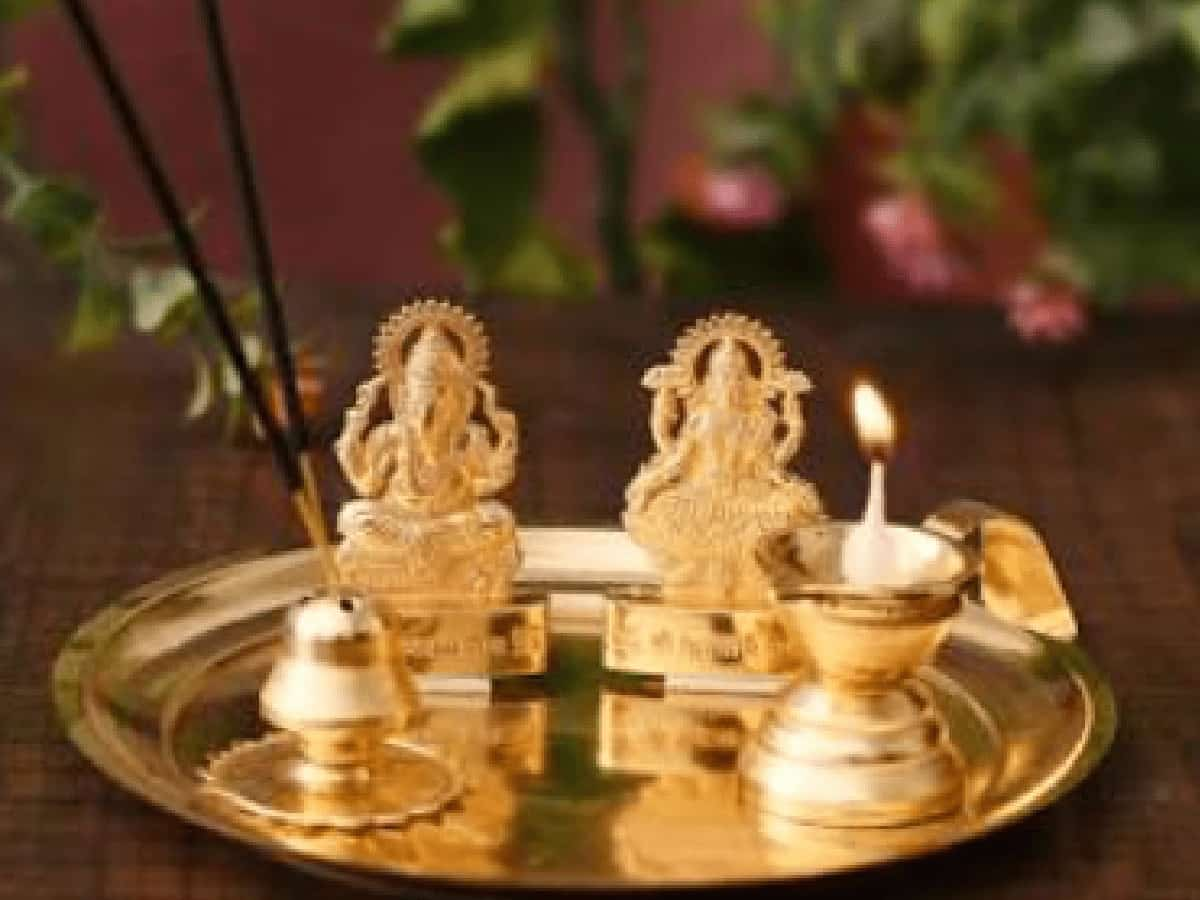
Diwali 2026: Auspicious Puja Muhurat, Timings & Sacred Vidhi
Across millions of illuminated households in India and around the globe, the auspicious festival of Diwali is being celebrated with profound devotion and grandeur on Sunday, November 8, 2026. Regarded as the pinnacle of the five-day Deepavali festivities, this sacred night is consecrated to the worship of Goddess Mahalakshmi, the granter of wealth, fortune, and domestic well-being, alongside Lord Ganesha, the harbinger of intellect and the remover of all obstacles. According to Vedic astrology and ancient scripture, performing the evening rituals within designated astrological windows is essential, as ceremonies conducted during unfavorable periods such as Rahukaal fail to yield spiritual fruits. With rare celestial configurations—most notably the propitious 'Ayushman Yoga'—aligning on this Kartik Amavasya, priests and astrological scholars emphasize adhering to the specific Pradosh Kaal and Vrishabha Kaal timeframes to ensure enduring peace, financial stability, and divine grace in the home.
Celestial Alignment: Kartik Amavasya Tithi and Planetary Yogas
The spiritual potency of Diwali night stems from the precise transition of the lunar calendar. According to the traditional Hindu Panchang, the sacred Tithi of Kartik Amavasya commences late at night at 11:27 PM on Sunday, November 8, 2026, and concludes the following afternoon at 12:31 PM on Monday, November 9, 2026.
Because traditional scriptural treatises mandate that Deepavali worship must coincide with the night hours and the twilight window (Pradosh Kaal), the festival is celebrated nationwide on Sunday. Astrologers note that the presence of Ayushman Yoga bestows longevity, vitality, and sustained prosperity on ventures inaugurated during this period. For businesses opening fresh financial ledgers and households seeking freedom from debt, synchronizing family worship with these celestial hours maximizes spiritual and material outcomes.
Lakshmi Puja Shubh Muhurat: The Precise Window for Worship
Astro-scholars indicate that devotees will receive an optimal, high-potency window of nearly two hours during the evening to perform the primary Lakshmi-Ganesha rituals. The overlap between Pradosh Kaal—the twilight period following sunset—and Vrishabha Kaal—a fixed sign (Sthir Lagna)—is considered the ideal astrological intersection, ensuring that the blessings of Goddess Lakshmi remain stably anchored within the residence.
| Astrological Period / Muhurat | Auspicious Time Window | Spiritual Significance & Relevance |
| Primary Lakshmi Puja Muhurat | 05:54 PM to 07:50 PM | Prime worship window during Sthir Lagna (Vrishabha Kaal) |
| Pradosh Kaal | 05:31 PM to 08:09 PM | Twilight period ideal for lighting the sacred akhand diya |
| Vrishabha Kaal (Fixed Sign) | 05:54 PM to 07:50 PM | Astrological sign ensuring wealth remains permanent in the home |
| Godhuli Muhurta | 05:48 PM to 06:13 PM | Auspicious sunset transition period to welcome deities |
| Amrit Kaal | 10:02 PM to 11:44 PM | Highly auspicious late-evening window for mantra chanting |
| Nishita Muhurta | 11:49 PM to 12:41 AM (Midnight) | Esoteric midnight window for Tantrik sadhanas & deep meditation |
| Brahma Muhurta (Pre-Dawn) | 04:59 AM to 05:50 AM | Morning sacred time for self-purification and home cleaning |
| Vijay Muhurta (Afternoon) | 02:06 PM to 02:50 PM | Midday victory window for business agreements and purchases |
Religious scholars caution that beyond the primary Vrishabha Kaal window, devotees who miss the early evening can still engage in peaceful meditation and stotra recitations during the Amrit Kaal and Nishita Kaal midnight segments.
Essential Diwali Puja Samagri: Sacred Ingredients for the Altar
A meticulous setup reflects genuine devotion and readiness to welcome the divine mother. Devotees are advised to assemble all essential sacred items (samagri) on a clean brass or silver tray well before the muhurat begins:
-
Deity Idols & Foundation: New clay or metallic idols of Goddess Lakshmi and Lord Ganesha (or a consecrated photograph), a sturdy wooden stool (chauki), and a pristine piece of unstitched red silk or cotton cloth.
-
The Holy Kalash & Sanctifiers: A copper or brass Kalash filled with pure water, a fresh whole coconut retaining its natural tuft, holy Ganga water (Gangajal), fresh betel leaves (paan), and whole betel nuts (supari).
-
Auspicious Powders & Grains: Pure sandalwood paste (chandan), kumkum or roli, turmeric, whole unbroken rice grains (akshat), and sacred holy thread (kalava or mauli).
-
Offerings & Illumination: Fresh fragrant flower garlands, fresh lotus blooms or lotus seeds (kamal gatta), pure cow-ghee, dhoop sticks, pure camphor (bhimseni kapoor), cotton wicks (batti), and traditional clay lamps (diyas).
-
Prasad & Naivedya: Traditional puffed rice (kheel), sugar candies (batasha), assorted seasonal fruits, homemade kheer, Panchamrit (a blend of milk, curd, honey, sugar, and ghee), and clean silver or gold coins representing material abundance.
Step-by-Step Diwali Puja Vidhi: Performing the Evening Ritual
To conduct the Lakshmi-Ganesha puja correctly during the auspicious evening window, follow these sequential steps prescribed in traditional scriptures:
-
Purification and Altar Setup: Cleanse the puja room thoroughly. Place the wooden chauki facing the East or North direction and drape it with the sacred red cloth. Sprinkle Gangajal across the platform to consecrate the perimeter.
-
Installation of Idols: Install the idol of Lord Ganesha to the left of Goddess Lakshmi. Set up the sacred Kalash filled with water, mango leaves, and a coconut placed on top nearby.
-
Lighting the Sacred Flame: Light a master lamp (Deepak) using pure cow ghee to the right of the altar, along with fragrant dhoop sticks, keeping the flame steady throughout the proceedings.
-
Tilak and Offerings: Bathe the deities symbolically by sprinkling drops of water mixed with Gangajal. Apply a tilak of roli and chandan, and offer akshat, fresh flowers, and kamal gatta at the feet of Lord Ganesha and Goddess Lakshmi.
-
Chanting and Invocation: Tie kalava to the deities, chant the respective Beej mantras, and recite the Shri Lakshmi Chalisa and Ganesha Stotram with concentrated devotion.
-
Naivedya Bhog: Present the bhog consisting of fresh kheer, batashas, kheel, dry fruits, and seasonal sweets, concluding with the offering of clean coins.
-
The Concluding Aarti: Stand up and perform the reverent Aarti of Lord Ganesha first, followed by the Aarti of Goddess Lakshmi, ringing bells and sounding conches.
-
Illumination of the Household: Following the Aarti, place lit mustard oil or ghee diyas across the main entrance threshold, boundary walls, kitchen, and every corner of the house to dispel darkness. Distribute the sanctified prasad among all family members.
Sacred Mantras to Invoke Divine Blessings on Deepavali
Chanting sacred Sanskrit verses with clear pronunciation during the puja infuses the household with harmonious spiritual resonance:
-
Shri Lakshmi Beej Mantra:
Om Shreem Hreem Shreem Kamale Kamalalaye Praseed Praseed Shreem Hreem Shreem Om Mahalakshmyai Namah
-
Maa Lakshmi Gayatri Mantra:
Om Shri Mahalakshmyai Cha Vidmahe Vishnu Patnyai Cha Dheemahi Tanno Lakshmih Prachodayat
-
Shri Lakshmi Mahamantra:
Om Shreem Kleem Mahalakshmi Mahalakshmi Sarva Saubhagyam Dehi Me Namah
-
Lord Ganesha Beej Mantra:
Om Gam Ganapataye Namah
-
Vighnaharta Ganesha Dhyana Mantra:
Vakratunda Mahakaya Suryakoti Samaprabha | Nirvighnam Kuru Me Deva Sarvakaryeshu Sarvada ||
Attracting Goddess Lakshmi’s Grace: Purity, Charity, and Light
Scriptures emphasize that external rituals must be accompanied by internal purity. Devotees are reminded to maintain cleanliness within the household, as Goddess Mahalakshmi resides only in serene, clutter-free, and harmonious spaces (Swachhata).
Keeping the main entrance threshold illuminated with twin ghee lamps welcomes positive cosmic energies into the home. Furthermore, performing selfless acts of charity (daan)—such as feeding underprivileged families, distributing warm clothes, and sharing sweets with those in need on Diwali day—multiplies the spiritual merits of the puja, ensuring that the light of Diwali brings health, happiness, and peace to every heart.




