







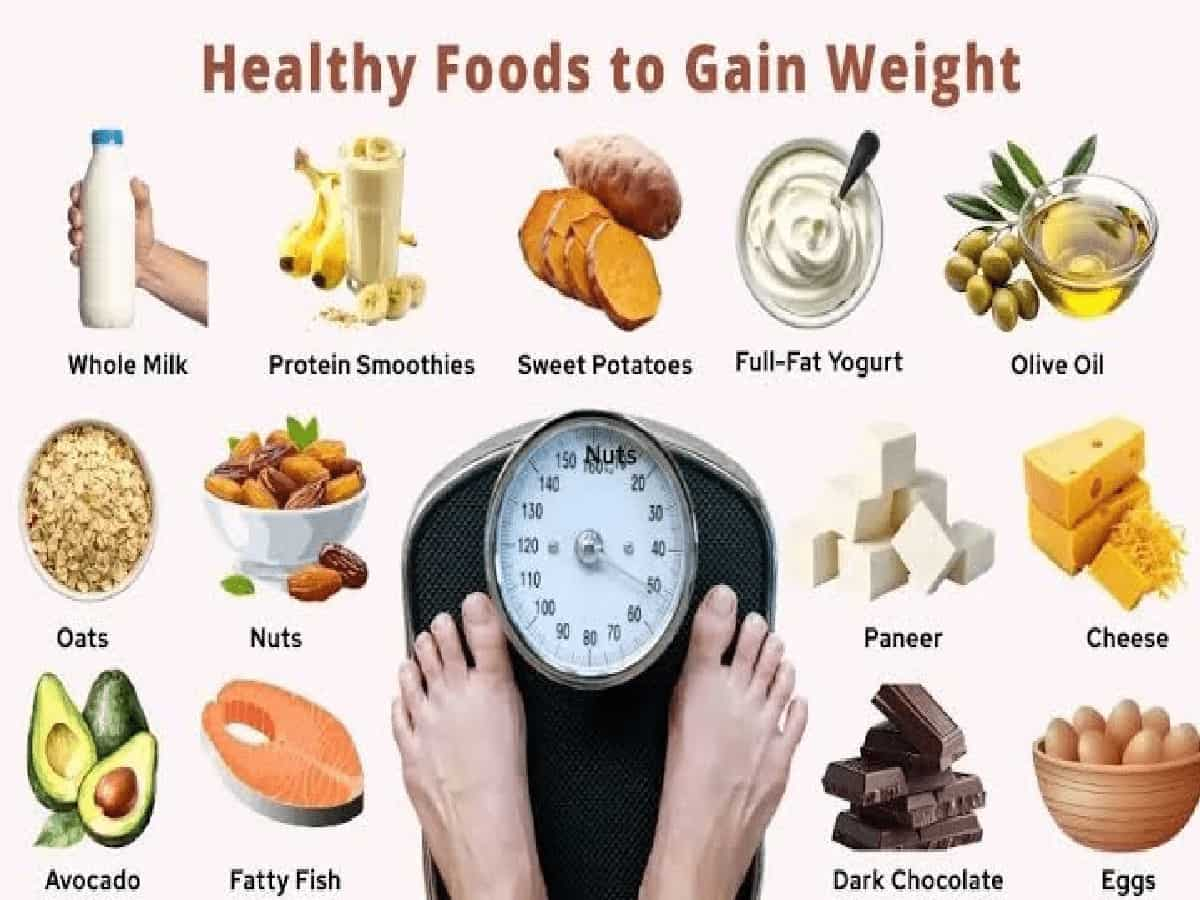
How to Gain Weight: Best Foods for Healthy, Fast Weight Gain
While a substantial portion of fitness discourse remains occupied with fat reduction, an equally challenging struggle faces individuals experiencing underweight conditions, severe nutritional deficiencies, and prominent skeletal framing. When clothes hang loosely and bones appear visibly prominent across the chest and shoulders, the body signals an urgent need for deep nourishment rather than random caloric overload. Clinical nutritionists caution against turning to synthetic mass gainers, unverified hormonal supplements, or excessive deep-fried junk food, which frequently triggers visceral fat accumulation, digestive distress, and lipid imbalances. Speaking on sustainable mass accrual, Kamini Kumari, clinical dietitian at Diet Mantra Clinic in Noida, emphasizes that healthy weight gain requires a structured, nutrient-dense surplus rich in quality protein, complex carbohydrates, and wholesome fats. Transforming thinness into robust physical vitality relies on making whole-food dietary adjustments that fuel muscle protein synthesis while nourishing core organs.
The Golden Duo: Banana and Whole Milk for Clean Calories
In any clinical dietary strategy aimed at breaking underweight plateaus, the combination of ripe bananas and full-fat dairy remains an indispensable staple. Bananas supply readily digestible carbohydrates, natural sugars (fructose and sucrose), and dietary potassium, offering immediate glycogen replenishment without straining digestive enzymes. When consumed alongside whole milk, the body receives a synergistic blend of fast-absorbing whey and slow-digesting casein proteins.
Consuming two to three bananas alongside a tall glass of warm full-cream milk in the morning or as an immediate post-workout snack delivers around 400 to 500 clean calories. Blending them into a thick milkshake with a spoonful of raw honey and crushed green cardamom enhances palatability for individuals struggling with poor early-morning appetite, providing sustained energy that prevents muscle catabolism throughout the day.
Daily Handful of Dry Fruits: Concentrated Energy and Micronutrients
Individuals with smaller stomach capacities often feel uncomfortably full when trying to consume large physical volumes of food. For this demographic, dry fruits and raw nuts represent the most potent caloric delivery mechanism available in nature. Almonds, cashews, walnuts, golden raisins, and dried figs (anjeer) pack substantial energy, monounsaturated fatty acids, dietary fiber, and trace minerals into compact servings.
A modest handful (around 30 to 40 grams) of mixed nuts provides up to 200 calories alongside essential zinc, magnesium, and plant-based protein. Nutritionists recommend soaking almonds and dried figs overnight to break down enzyme inhibitors, making their nutrient profile easily absorbable by the digestive tract. Incorporating roasted cashews into mid-meal snacks or blending soaked raisins into morning breakfast porridges supplies clean calories that promote gradual, healthy weight gain.
Peanut Butter: Creamy Spoonfuls of Protein and Healthy Fats
For individuals seeking to increase daily caloric intake without spending hours preparing elaborate meals, unsweetened natural peanut butter provides an exceptional dietary tool. Packed with plant protein, heart-healthy monounsaturated fats, and vital B-complex vitamins, just two tablespoons of peanut butter deliver approximately 190 to 200 calories and 8 grams of bioavailable protein.
Dietitians advise spreading generous layers of peanut butter across whole-wheat toast, rolling it inside warm handmade rotis, or blending it directly into fruit shakes and morning oatmeal. The rich combination of healthy dietary fats and complex plant fibers digests gradually, stabilizing blood sugar levels while ensuring the metabolic furnace receives a consistent flow of energy to support muscle building rather than sudden spikes and crashes.
Eggs and High-Protein Foods: Building Lean Muscle Mass
Gaining healthy weight differs fundamentally from merely accumulating adipose fat tissue; the goal is to develop functional skeletal muscle mass that supports bone density, joint mobility, and physical stamina. To achieve this muscular development, an adequate daily intake of complete amino acids is non-negotiable. Eggs stand as the gold-standard dietary protein, containing all nine essential amino acids alongside vital choline, vitamin D, and healthy dietary fats concentrated within the yolk.
Beyond whole eggs, diversifying daily meals with broad-spectrum protein sources ensures steady muscle repair:
- Poultry and Lean Fish: Chicken breast, freshwater fish, and fatty fish like mackerel or rohu provide lean tissue-building proteins and omega-3 fatty acids that control internal inflammation.
Medanta
- Dairy Proteins (Paneer): Fresh cottage cheese (paneer) delivers rich, slow-digesting casein protein and dietary fats, making a 100-gram serving an effortless way to add nearly 250 to 300 calories to lunch or dinner.
Healing Hospital
- Vegetarian Legumes: Soya chunks, black chickpeas (chana), kidney beans (rajma), and mixed yellow and green lentils (dal) offer high-protein plant staples that pair well with rice and rotis to maximize meal density.
Full-Cream Milk and Hard Cheese: Calorie-Dense Dairy Nutrition
Substituting skimmed or toned dairy with rich full-cream milk, artisanal cheese, and traditional curd offers a simple way to elevate total caloric consumption without increasing overall plate volume. Whole cow or buffalo milk provides ample bioavailable calcium to reinforce underlying skeletal bone density while delivering essential saturated fats and carbohydrates in a natural, bioavailable emulsion.
Adding grated cheddar or processed cheese cubes to morning sandwiches, mixing a dollop of fresh churned butter or desi cow ghee into steaming bowls of dal-chawal, and ending the day with a warm cup of full-cream turmeric milk helps build an effortless caloric surplus of 300 to 500 extra calories per day. When paired with consistent resistance training or basic bodyweight exercises, these nutrient-dense dietary adjustments help transform a fragile, underweight physique into a healthy, strong, and well-proportioned body naturally.




