







Chhattisgarh’s 75-Day Tribal Festival Shuns Ravana Dahan to Revere Maa Danteshwari
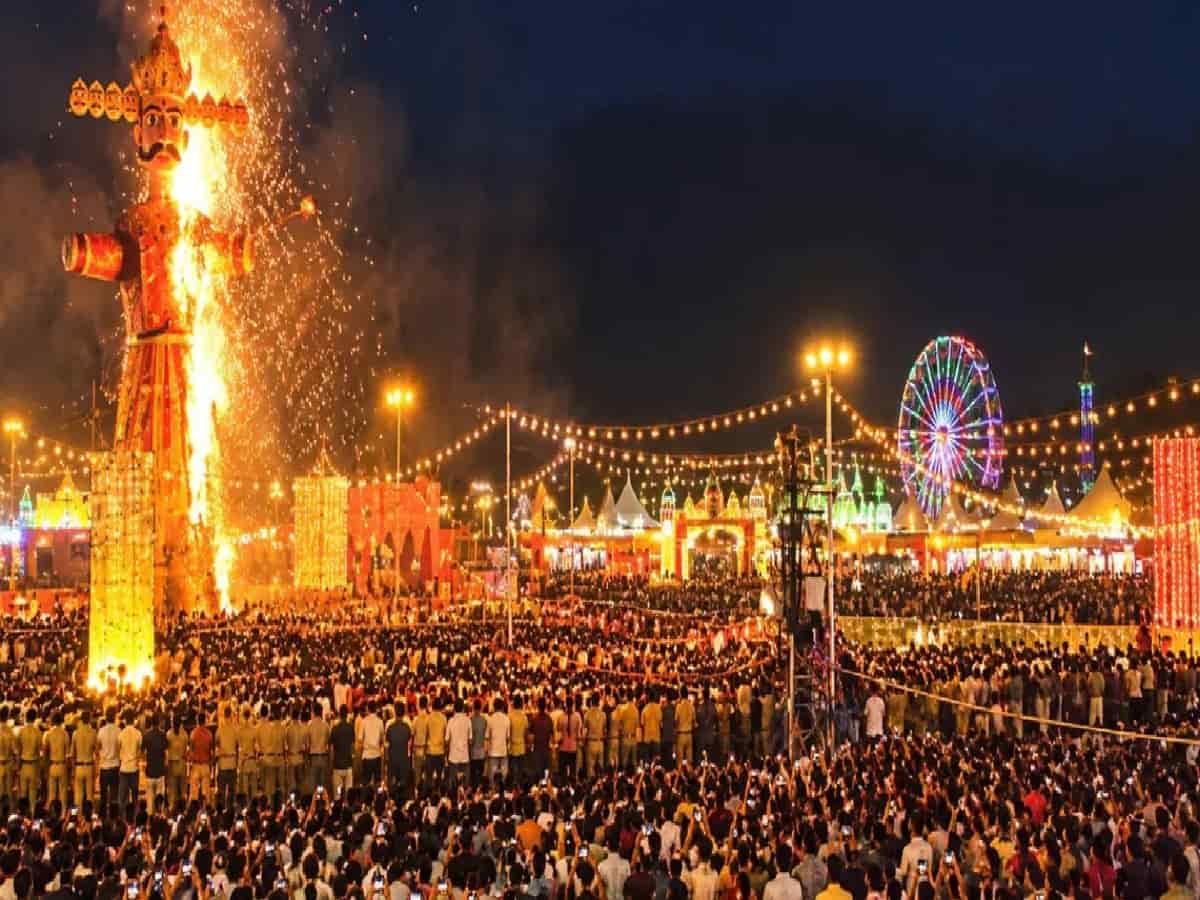
While millions across northern and western India mark Dussehra by burning towering effigies of Ravana to celebrate the triumph of Lord Rama, the forested expanse of Bastar in southern Chhattisgarh observes a completely distinct, world-renowned tradition spanning an incredible 75 days. Operating without Ramlila reenactments or effigy burnings, Bastar Dussehra stands as India's longest festival, dedicated entirely to the supreme regional matriarch, Goddess Danteshwari. Originating nearly two months prior to Vijayadashami and extending two weeks beyond it, the 2026 edition of the celebrations will conclude on October 27. Rooted in deep indigenous heritage, the annual spectacle mobilizes multiple forest communities through sacred rites, ancestral craftsmanship, and community-driven chariot processions that reflect centuries of cultural cohesion.
The Legend of Maa Danteshwari and the 600-Year Legacy of King Purushottam Dev
At the core of the 75-day observance lies profound devotion to Maa Danteshwari, regarded as both a divine manifestation of Goddess Durga and the guardian family deity of the Bastar kingdom. Sacred lore identifies Dantewada as a revered Shakti Peeth where the tooth (dant) of Goddess Sati descended upon the earth. Perched at the scenic confluence of the holy Shankhini and Dankini rivers, the ancient temple of Maa Danteshwari houses a six-armed idol carved from polished black stone, serving as the spiritual anchor of the entire celebration. The unique festive format dates back roughly 600 years to the reign of King Purushottam Dev of Bastar. Historical accounts record that after the monarch embarked on an arduous pilgrimage to Jagannath Puri alongside prominent tribal council elders, the King of Puri bestowed upon him a ceremonial 16-wheeled chariot. This historic gift laid the foundation for Bastar’s chariot rituals, which begin each year only after receiving divine sanction through the Kachan Gadi ritual, where a young maiden, revered as the living embodiment of the goddess, grants sacred permission to commence proceedings before Kachan and Raila Mata.
The 40-Foot Vijay Rath: Tribal Unity and Ancient Rites of the Madia Clan
The defining spectacle of Bastar Dussehra is the construction and movement of the Vijay Rath, a monumental wooden chariot towering nearly 40 feet high. Handcrafted in roughly ten days using traditional hand tools, the chariot exemplifies inter-village cooperation: timber is sourced from one designated tribal village, master carpenters arrive from another, and heavy hand-twisted bark ropes are supplied by a third community. By ancestral decree, the Madia tribal clan of Kilepal Pargana retains the exclusive customary right to haul the colossal structure through dense crowds of singing and dancing devotees. The festival’s calendar is woven with unique regional austerities, including ascetics who undergo severe nine-day penances inside underground pits. Daily processions culminate on Vijayadashami, leading into theatrical community rituals such as Bhitar Raini, during which the grand chariot is playfully hidden within nearby forested tracts before being recovered for the emotional farewell ceremony that marks the departure of Goddess Danteshwari.




