







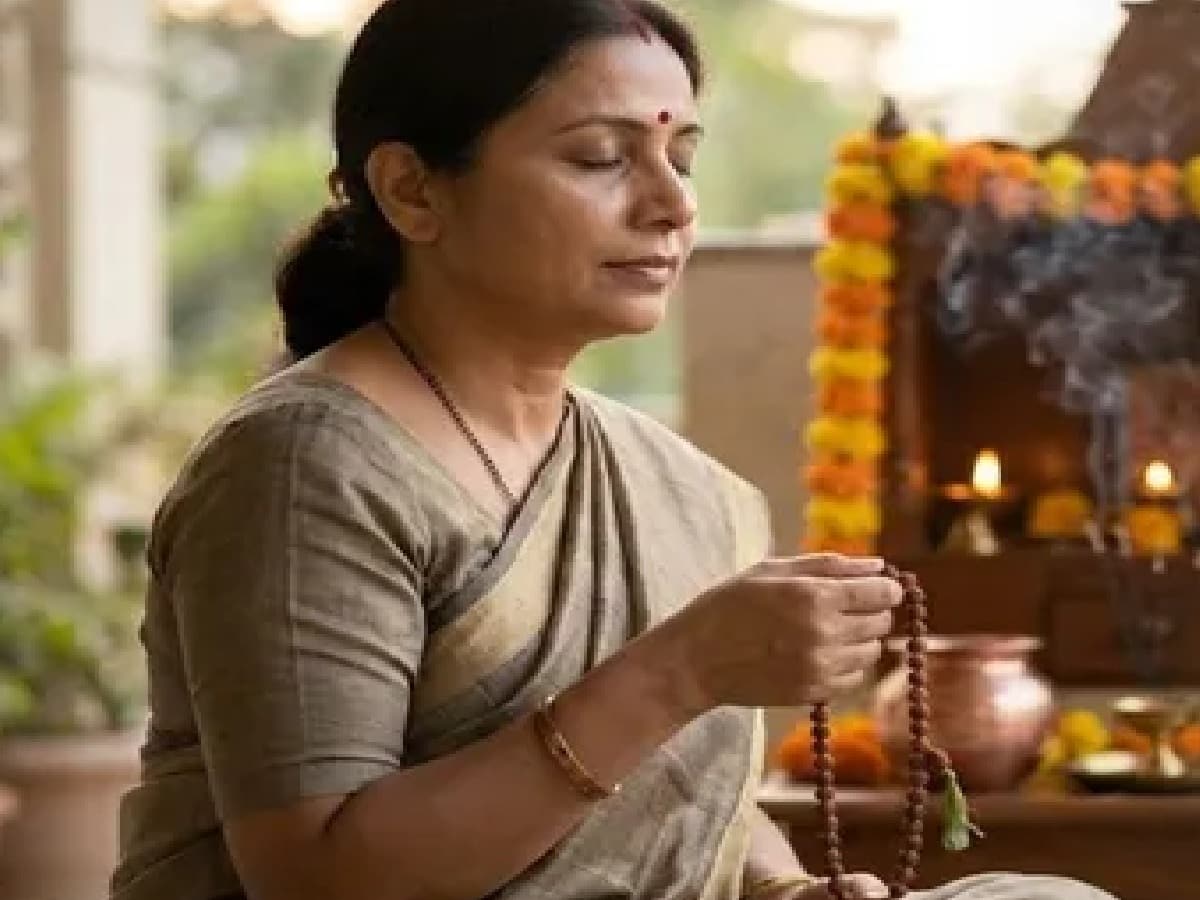
The Scriptural Truth Behind Chanting Mantras Revealed by Vedic Expert
In Sanatana Dharma, the sacred discipline of mantra japa has stood for thousands of years as one of the most accessible and transformative practices to quiet mental noise, elevate spiritual awareness, and forge an intimate communion with the divine. Yet, among casual practitioners and disciplined seekers alike, a persistent practical question often arises during daily worship: is it religiously more fruitful to chant sacred syllables with eyes firmly closed, or does keeping them open yield greater metaphysical power? Addressing this spiritual dilemma, Ujjain-based Vedic astrologer and scholar Pandit Manish Sharma explains that the primary objective of any mantra recitation is internal stability, emotional devotion (bhav), and unshakeable concentration. Dispelling common misconceptions, Pandit Sharma clarifies that closing one's eyes does not automatically generate mysterious esoteric energy; rather, both open and closed-eye techniques hold distinct scriptural validity, with the practitioner’s state of mental alertness serving as the true determinant of spiritual success.
Deepening Inward Dhyana: The Mental and Spiritual Benefits of Closed-Eye Japa
For deep meditative contemplation, closing the eyes remains the traditionally favored method for spiritual practitioners seeking to withdraw from the external sensory plane. Shuttering the eyelids instantly restricts visual stimuli, preventing the brain from processing peripheral room movement, varying light patterns, and mundane surrounding clutter. This sensory withdrawal allows the practitioner to channel their mental bandwidth inward, focusing intently on the precise phonetic vibration, cadence, and sacred meaning of each syllable. Furthermore, closed-eye japa allows devotees to project the divine form of their chosen deity (Ishta Devata) directly onto their inner mental horizon, transforming mechanical repetition into an immersive, heart-centered visualization. Pandit Sharma notes that while closing the eyes simplifies the journey into stillness and fosters profound emotional calm, it remains an auxiliary technique to support the mind rather than an obligatory spiritual mandate.
Gazing at the Divine: When Chanting With Open Eyes Outperforms Closed Eyes
Conversely, chanting with open eyes carries significant liturgical merit and is actively required during external rituals, fire oblations (havans), temple darshans, and formal altar worship. When standing before a consecrated idol (murti) or sacred portrait, fixing an unbroken, devotional gaze upon the deity’s form—a technique akin to the yogic practice of Trataka—serves as a powerful anchor to steady a restless mind. More importantly, Pandit Sharma emphasizes that keeping the eyes open is the ideal remedy when closing them induces drowsiness, lethargy, or unchecked daydreams. If closing your eyelids causes your consciousness to drift toward sleep rather than divine contemplation, maintaining a soft, attentive gaze on the sacred flame or image keeps the mind sharp, vigilant, and spiritually engaged. Ultimately, scriptural wisdom dictates that the posture of the consciousness matters far more than the posture of the eyelids; devotees should adopt whichever method quietens inner turbulence and fosters genuine devotion.




