







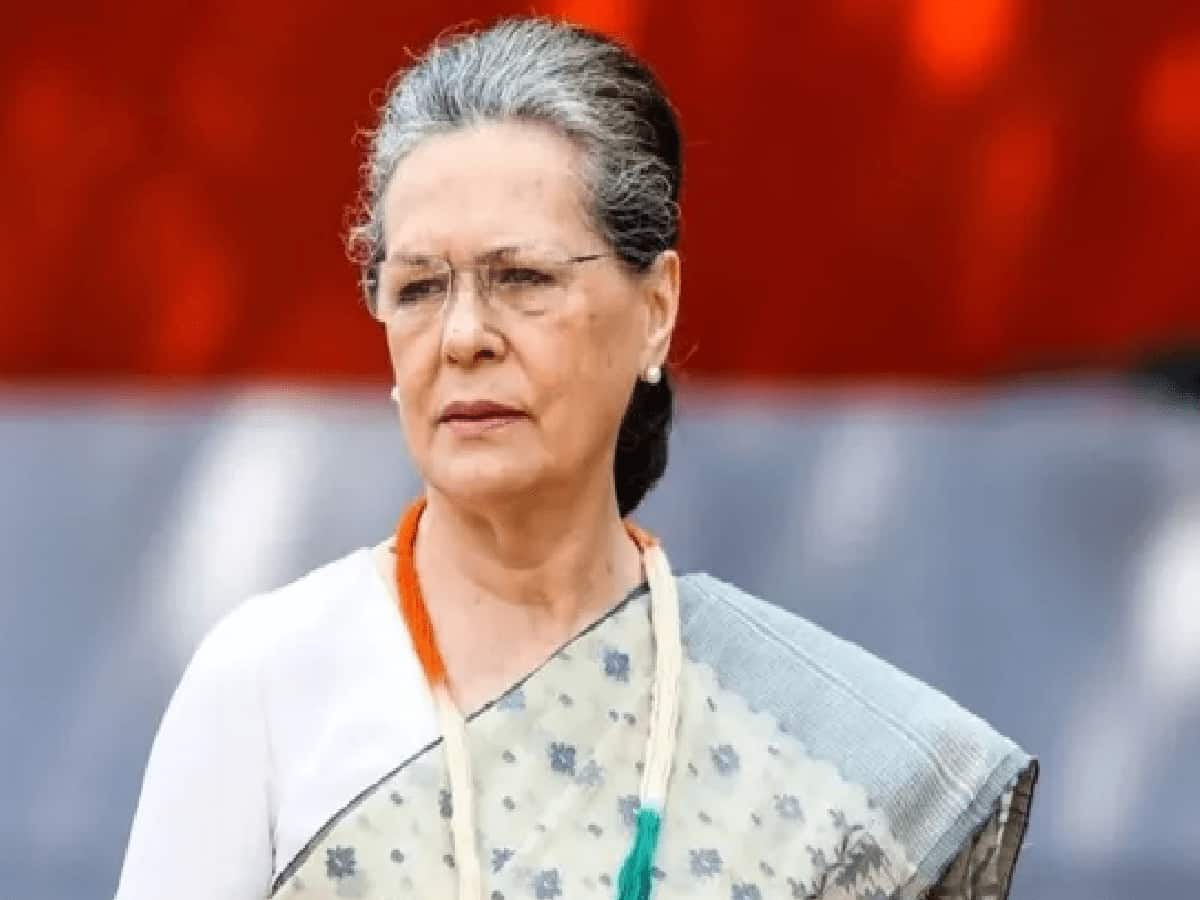
'This Is Personal, Not Political': Sonia Gandhi on New Memoir
In a rare and candid departure from decades of guarded public silence, Congress Parliamentary Party chairperson and veteran political figure Sonia Gandhi has offered readers an intimate glimpse into her forthcoming autobiography, Belonging: A Journey of Love. Just days before the highly anticipated volume arrives in bookstores across India on November 10, 2026, the former Congress president sought to demystify public expectations surrounding the project. Addressing speculation across literary, media, and political circles that the book might serve as an insider account of power politics, backroom coalition negotiations, or parliamentary maneuvering, Gandhi made it clear that the text is an intensely personal reflection rather than a political memoir. Writing ahead of the release, she explained that her sole literary objective was to present her family honestly—not as historical icons or political figures dissected by external commentators, but as human beings whom she lived alongside, knew deeply, and loved through periods of profound joy and unimaginable sorrow.
A Deliberate Distinction: Portraying Family with Honesty and Human Flaws
Throughout her five decades in the public gaze, the Nehru-Gandhi household has remained one of the most scrutinized political dynasties in modern global history. Yet, as Sonia Gandhi articulated in her pre-release reflections, public commentary has consistently focused on statecraft, electoral victories, controversies, and ideological conflicts, rarely penetrating the actual emotional reality of the individuals inside the home. Reflecting on her motivation to write, she noted that while an enormous volume of literature exists about her family, very little of it captures their true temperaments, private anxieties, personal motivations, and human vulnerabilities.
"This is not a political book, but a personal one," she shared in an essay exploring the origin of the memoir. She emphasized that she felt a quiet inner obligation to depict her loved ones as flesh-and-blood individuals who experienced doubts, shared laughter, endured fatigue, and possessed distinct human flaws. By deliberately steering away from policy debates, legislative maneuvers, and the mechanics of government, Gandhi hopes the memoir will provide readers with a compassionate, grounded portrait of a family that lived under intense public exposure while trying to protect a quiet, fragile domestic core.
Stepping Away from the Frontlines: Finding Perspective Through Solitude
For the vast majority of her adult life in India, Sonia Gandhi maintained an exceptionally private demeanor. Even after entering active politics in the late 1990s following a period of deep national crisis and serving as the longest-tenured president of the Indian National Congress, she rarely granted extensive media interviews or shared unscripted personal anecdotes. Her private life was guarded with careful reserve, allowing her public responsibilities to define her external identity.
In her introductory essay for Belonging, Gandhi candidly reflected on how that guarded posture was shaped by circumstance. Thrust into the turbulent center of national politics by tragic family events, self-preservation demanded an emotional boundary between her inner feelings and the daily demands of public life. It was only after she stepped back from active parliamentary administration and day-to-day organizational leadership that she found the stillness and mental clarity necessary to look back across her life without distraction. That hard-won distance allowed her to examine her journey not as an unfolding political timeline, but as a deeply human story of transplantation, resilience, and personal adaptation.
Love and Loyalty: The Central Threads of an Unplanned Life
Looking back over nearly eight decades of life, Sonia Gandhi identified one continuous thread that connected all her choices: love, and the deep sense of loyalty that naturally accompanied it. Her story began far from the corridors of power in New Delhi, in a modest, working-class home in post-war Italy. As an 18-year-old language student studying in Cambridge in the mid-1960s, she crossed paths with Rajiv Gandhi, a polite, mechanically minded Indian engineering student. The romance that blossomed between them altered the trajectory of her life, ultimately leading her to leave her homeland, culture, and native language behind to build a life in India.
Upon arriving in New Delhi as a young bride in 1968, she entered an unfamiliar world where her domestic anchor became her mother-in-law, then-Prime Minister Indira Gandhi. In the book, she recalls the warmth, patience, and gentle guidance Indira offered, dispelling early anxieties and helping her adapt to Indian customs, languages, and culinary traditions. The two women formed a close, protective relationship, sharing quiet moments away from political turmoil and collaborating closely on raising Rajiv and Sonia’s young children, Rahul and Priyanka. It was this deep familial affection, Gandhi writes, that helped an introverted foreign-born young woman cultivate a sincere, permanent sense of belonging to the soil and people of India.
Surviving Grief: Enduring Tragedy Through Quiet Inner Strength
A major emotional pillar of Belonging centers on the grief that repeatedly shattered her personal world. In October 1984, the violent assassination of Indira Gandhi inside the prime ministerial residence devastated the family, abruptly forcing Rajiv Gandhi into the demanding role of head of government. Less than seven years later, in May 1991, another tragedy struck when Rajiv Gandhi was assassinated in Sriperumbudur, leaving her to raise her children alone while navigating overwhelming grief under intense public scrutiny.
In her writings, Gandhi addresses how the memory of the love she had experienced helped her survive that period of isolation and loss. Rather than retreating into permanent despair, she found strength in her responsibility toward her children and her abiding affection for the country Rajiv had served. The memoir documents how ordinary human resilience, family solidarity, and a sense of duty allowed her to endure bereavement and eventually find peace with her past.
A Distinct Addition to Contemporary Indian Literature
Published across India by HarperCollins, Belonging: A Journey of Love stands out as a unique entry in the genre of Indian political autobiographies. By explicitly disavowing score-settling, policy justifications, or partisan critiques, Sonia Gandhi has chosen to tell a timeless story about identity, migration, domestic life, and the bonds that survive immense loss. Readers across the country will encounter a narrative that strips away political theater to reveal the private person behind the public persona. As the memoir prepares for its nationwide release, it offers readers a quiet, candid reflection on how a young woman from a small Italian town found an enduring home, built an unexpected life, and discovered the true meaning of belonging in the heart of India.




