







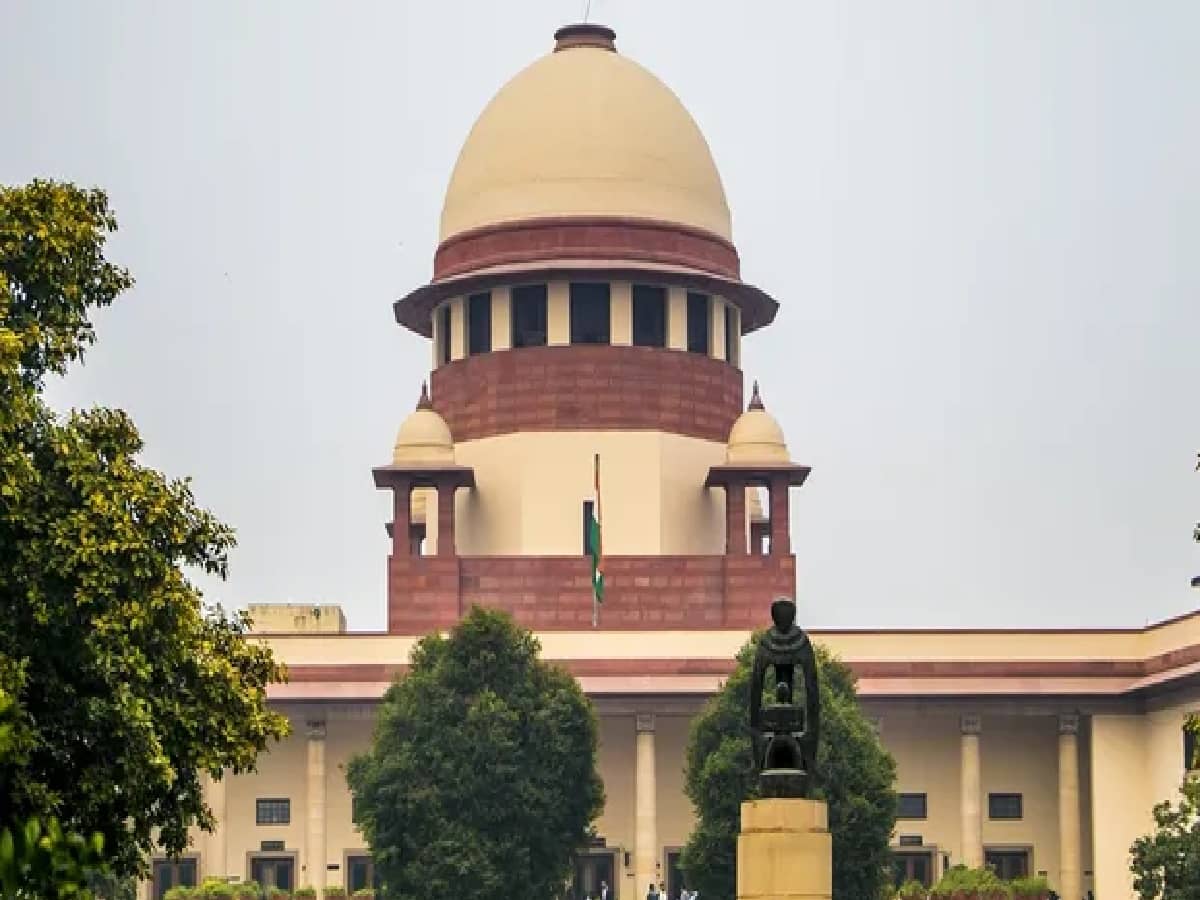
SC to Decide on Jan 11 Whether Nationwide Private Varsity Audit Continues
A sweeping nationwide inquiry into the establishment, funding, and regulatory oversight of private and deemed universities across India has reached a decisive procedural turning point at the Supreme Court of India. Following a recent bench reassignment by Chief Justice of India Surya Kant, a three-judge bench comprising Justices Vikram Nath, R. Mahadevan, and Aparesh Kumar Singh stated during Thursday's hearing on November 19, 2026, that it will decide on January 11, 2027, whether to continue or close the broader public-interest proceedings. Originally filed under Article 32 of the Constitution by 23-year-old student Ayesha Jain (formerly Khushi Jain) against Amity University, Noida—alleging that university officials delayed updating her legally changed name in institutional records, barred her from classes and examinations, and caused her to lose an academic year—the writ petition had been expanded in November 2025 by a bench led by Justice Ahsanuddin Amanullah into an unprecedented nationwide audit examining land allotments, tax concessions, five-year audited financial statements, faculty standards, and anti-profiteering compliance across private universities. On Thursday, after Additional Solicitor General K.M. Nataraj informed the newly constituted bench that the petitioner's individual grievance had already been resolved—even as voluminous state-level compliance reports running into thousands of pages continue to arrive—Justice Vikram Nath's bench directed court-appointed investigator and retired IPS officer Ashok Prasad to submit his final inquiry report on Amity University's conduct by December 31, 2026, before the court determines in January what residual relief, if any, is warranted and how far the larger regulatory case should proceed. For students, parents, higher-education administrators, and legal observers across Unnao, Lucknow, Kanpur, Noida, Greater Noida, Etah, Varanasi, Prayagraj, and New Delhi, the upcoming January 11 hearing will determine the fate of one of the most consequential higher-education scrutiny exercises in recent years.
Supreme Court Private Universities Audit Case: Timeline & Key Developments
To bring together the progression from an individual student's name-change petition in 2025 to the nationwide financial and regulatory disclosures ordered in 2026 and the bench reassignment ahead of January 2027, the table below summarizes the key milestones:
| Case Stage & Date | Key Judicial & Administrative Developments | Legal & Regulatory Significance |
| Origin of the Petition (Mid-2025) | Student Ayesha Jain filed Ayesha Jain v. Amity University, Noida & Ors. (W.P. (C) No. 531/2025) under Article 32, alleging harassment, denial of exam eligibility, and loss of an academic year after legally changing her name from Khushi Jain. | Began as an individual student-rights and administrative grievance dispute against a private university. |
| Nationwide Expansion (Nov 20, 2025) | A bench led by Justice Ahsanuddin Amanullah widened the case into a nationwide inquiry into the creation, statutory framework, land concessions, funding, and regulation of private and deemed universities across India. | Brought the Union Government, State Governments, Union Territories, and the University Grants Commission (UGC) into an expansive oversight exercise. |
| Investigators & Financial Audit Orders (Feb–Sept 2026) | In February 2026, the court tasked former Law Ministry Additional Secretary Dr. R.M. Sharma with broader regulatory issues and retired IPS officer Ashok Prasad with probing Amity University's handling of the petitioner; in September 2026, private universities were ordered to submit five years of audited financial statements and details of payments to non-educational individuals, with the bench warning they cannot operate as profit-making enterprises. | Triggered massive financial and compliance disclosures from private universities nationwide, alongside scrutiny of alleged irregularities such as a purported fake medical college in Etah, Uttar Pradesh. |
| Bench Reassignment & Roster Policy (Oct–Nov 2026) | Following full-court discussions emphasizing strict adherence to the PIL roster and the Chief Justice's authority as master of the roster, CJI Surya Kant transferred the matter from Justice Amanullah's bench to a bench headed by Justice Vikram Nath. | Raised fundamental procedural questions over whether an individual writ petition should remain a vehicle for a nationwide PIL. |
| Thursday's Hearing & Next Date (Nov 19, 2026 → Jan 11, 2027) | Justices Vikram Nath, R. Mahadevan, and Aparesh Kumar Singh directed Ashok Prasad to file his final report by December 31, 2026, and listed the case for January 11, 2027, to decide on Ayesha Jain's remaining prayers and whether to continue or close the wider PIL. | Will decide whether India's sweeping private-university financial audit moves forward or concludes. |
Why the Bench Changed and What Happened During Thursday's Hearing
The procedural shift stems from institutional discussions within the Supreme Court regarding roster discipline—specifically, whether benches not assigned Public Interest Litigation (PIL) work should convert individual service or student disputes into broad nationwide inquiries. After Chief Justice of India Surya Kant reassigned the case from Justice Ahsanuddin Amanullah's bench, the new bench of Justices Vikram Nath, R. Mahadevan, and Aparesh Kumar Singh took up the file on Thursday, noting that the papers had been placed before them only the previous evening. During the hearing, Additional Solicitor General K.M. Nataraj and an amicus curiae submitted that Ayesha Jain's core name-change grievance had already been redressed, while noting that thousands of pages of state compliance reports were still pouring in. Declining to pass immediate sweeping orders without reviewing the voluminous record, the bench instructed retired IPS officer Ashok Prasad to complete and submit his inquiry report regarding Amity University by December 31, 2026, and fixed January 11, 2027, to examine the petitioner's request for compensation or academic relief alongside the threshold question of whether to entertain the expanded PIL any further.
What Is at Stake for Private Universities, Regulators, and Students
Over the past year, the proceedings had sent ripples across India's higher-education sector, particularly after the court's September 2026 directives requiring private and deemed universities to disclose five years of audited balance sheets, sources and utilization of funds, land allotments, fee structures, faculty recruitment records, grievance-redressal timelines, and any payouts to individuals outside educational activities. The inquiry had even widened to examine alleged regulatory lapses in Uttar Pradesh, including reports of an unauthorized medical institution operating from a dilapidated farmhouse in Etah district. When the bench reconvenes on January 11, 2027, its decision on whether to wind down the proceedings after addressing Ayesha Jain's individual petition or retain oversight over the state and UGC filings will set a major precedent—both for judicial PIL boundaries and for regulatory accountability across private universities nationwide.




