







India at Peak Youth Power: Over 1 in 4 Aged 10-24, Says UNFPA Report
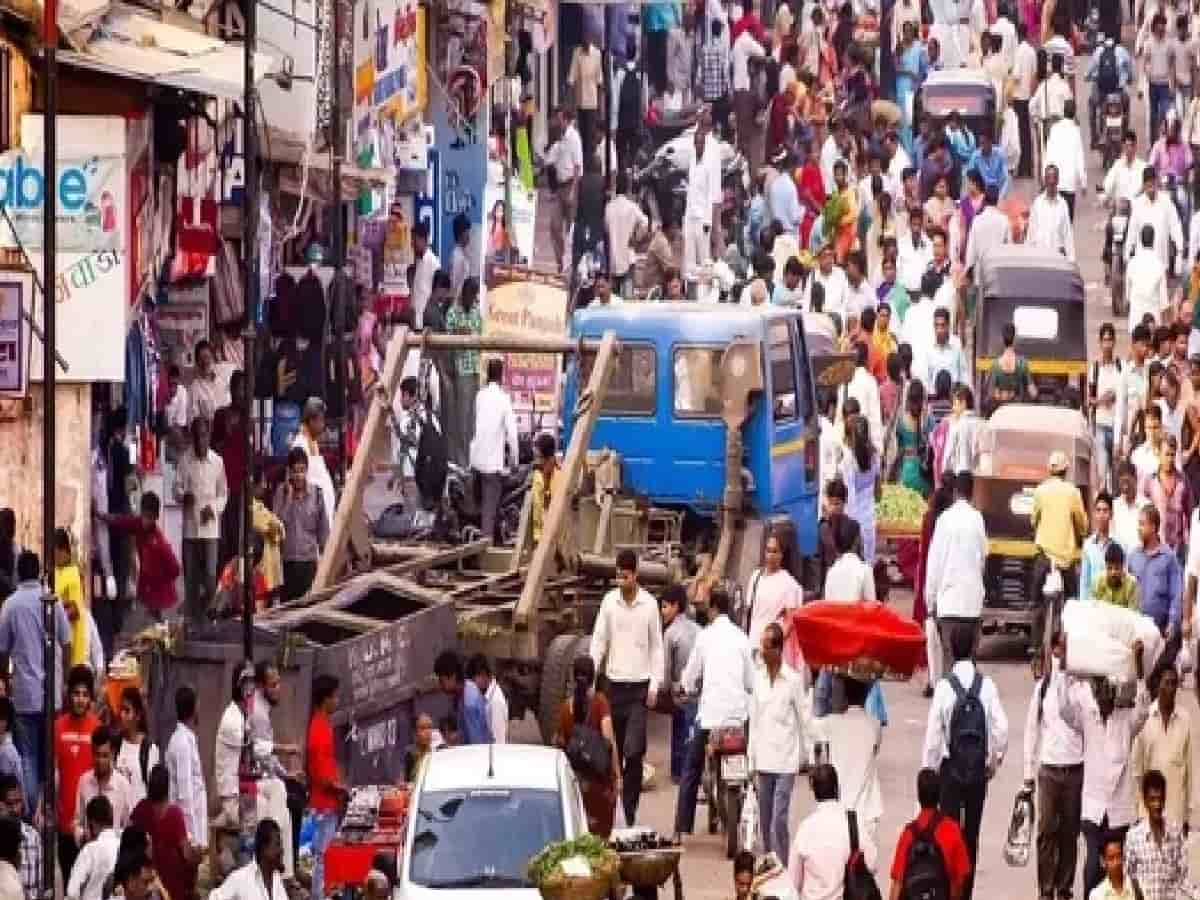
India stands at an extraordinary demographic inflection point where more than one in every four citizens belongs to the 10 to 24 age bracket, giving the country one of the largest youth cohorts anywhere in the world. According to the flagship State of World Population 2026 report—titled Succeeding Generations: Empowering Young People to Chart the Future—released by the United Nations Population Fund (UNFPA) on Thursday, November 19, 2026, India's total population stands at 147.66 crore (1.4766 billion), remaining the world's most populous nation ahead of China (at approximately 141.29 crore), with a projected population doubling time of 81 years. The UN assessment breaks down India's age structure in sharp detail: 26 percent of the population is aged 10 to 24 years, 17 percent falls in the adolescent 10 to 19 group, and 24 percent is aged 0 to 14 years, while 69 percent sits within the prime working-age 15 to 64 bracket and 8 percent is aged 65 and older. Alongside demographic scale, findings from the 2026 Demographic Futures Survey and National Family Health Survey-6 (NFHS-6) data cited in the report show that 83 percent of young respondents feel optimistic about the future even as 47 percent voice concern over conflict, economic insecurity, and inequality. Speaking on the launch, Andrea M. Wojnar, UNFPA Representative in India and Country Director for Bhutan, emphasized that India has achieved notable gains in public health and development and must now ensure young people's voices directly shape policies and programs built for them. For students, policymakers, economists, and families across Unnao, Lucknow, Kanpur, Patna, Varanasi, Prayagraj, New Delhi, Bengaluru, and Mumbai, the numbers underscore both an unmatched demographic opportunity and an urgent call for investments in skills, healthcare, and decent jobs.
UNFPA State of World Population 2026: India's Demographic & Health Snapshot
To bring together the population totals, age distribution, fertility aspirations, and maternal and digital indicators highlighted in the 2026 UNFPA report, the table below summarizes the core figures:
| Indicator / Category | Verified Figures in UNFPA 2026 Report | Policy & Social Implications |
| Total Population & Doubling Time | 147.66 crore (1.4766 billion), ahead of China (~141.29 crore); estimated to double in 81 years. | Confirms slower, stabilizing growth rather than runaway expansion, shifting policy focus from headcount to human capital. |
| Age Structure & Youth Share | 26% aged 10–24 years; 17% aged 10–19; 24% aged 0–14; 69% in working-age 15–64; 8% aged 65+. | Places over one-fourth of Indians in the youth cohort and nearly seven in ten in working-age brackets—a historic demographic dividend. |
| Fertility Rate & State Variations | National Total Fertility Rate (TFR) stands near replacement level (~1.9–2.0 births per woman vs. 2.1 replacement), ranging from 1.0 in Sikkim to 2.7 in Bihar. | Shows India's demographic transition is uneven across regions, requiring tailored state-level education, health, and employment strategies. |
| Parenthood Aspirations (Demographic Futures Survey 2026) | Women aged 18–39 cited 2.1 children as ideal family size (men cited 2.2); women aged 35–39 had an average of 1.0 child, and nearly 85% of childless respondents aged 35–39 still wish to become parents. | Demonstrates that young Indians have not abandoned family life, but financial stability, housing, and workplace support shape when they have children. |
| Maternal Care & Family Planning | Maternal Mortality Ratio at 87 per 100,000 live births (2022–24); skilled birth attendance rose from 89.4%/89.5% (NFHS-5) to 91.3% (NFHS-6); unmet family planning need fell from 9.4% to 8.5%. Modern contraceptive use shifted from 56.4% to 52.7%, while traditional methods rose from 10.3% to 16.4%. | Reflects strong gains in institutional deliveries and maternal survival, alongside a need for better counseling on modern contraception. |
| Women's Safety & Digital Access | 22.3% of women reported intimate partner violence in the past 12 months (down from 29.2% in NFHS-5); 64% of women own a mobile phone (77.6% urban, 57.4% rural). | Highlights progress on digital inclusion and reduced violence rates, while underscoring persistent urban-rural and safety gaps. |
Family Aspirations, Fertility Trends, and Youth Optimism Amid Uncertainty
One of the most telling takeaways from the Demographic Futures Survey 2026—which polled young adults on their life plans—is that parenthood remains a deeply valued aspiration across India even as national fertility hovers around or slightly below the replacement threshold of 2.1 births per woman. Women aged 18 to 39 reported an ideal family size of 2.1 children, yet women aged 35 to 39 had an average of 1.0 child, and nearly 85 percent of childless respondents in that 35–39 cohort expressed a desire to become parents. At the same time, 83 percent of surveyed young Indians reported feeling positive or very positive about the future, balanced against 47 percent who voiced serious worry over conflict, economic insecurity, and inequality—signaling that secure jobs, affordable housing, and supportive workplaces are decisive in helping young adults turn aspirations into reality.
Healthcare Gains, Contraceptive Shifts, and Turning Youth Numbers Into Power
On the public health front, the UNFPA report credits sustained institutional investment for bringing India's Maternal Mortality Ratio down to 87 per 100,000 live births (2022–24 SRS data) and raising skilled birth attendance to 91.3 percent in NFHS-6, while lowering the unmet need for family planning to 8.5 percent. However, the data also flags areas requiring focused attention: a dip in modern contraceptive prevalence from 56.4 percent to 52.7 percent alongside a rise in traditional methods from 10.3 percent to 16.4 percent, persistent intimate partner violence reported by 22.3 percent of women, and a rural-urban gap in women's mobile phone ownership (57.4 percent rural vs. 77.6 percent urban). As UNFPA India Representative Andrea M. Wojnar noted in unveiling the 2026 edition, harnessing India's youth advantage requires partnering directly with young people—including girls, rural youth, and persons with disabilities—so quality education, healthcare, digital access, and decent employment translate demographic scale into inclusive national prosperity.




