







Ethanol Adulteration: Karnataka Extends Probe to Blending Units
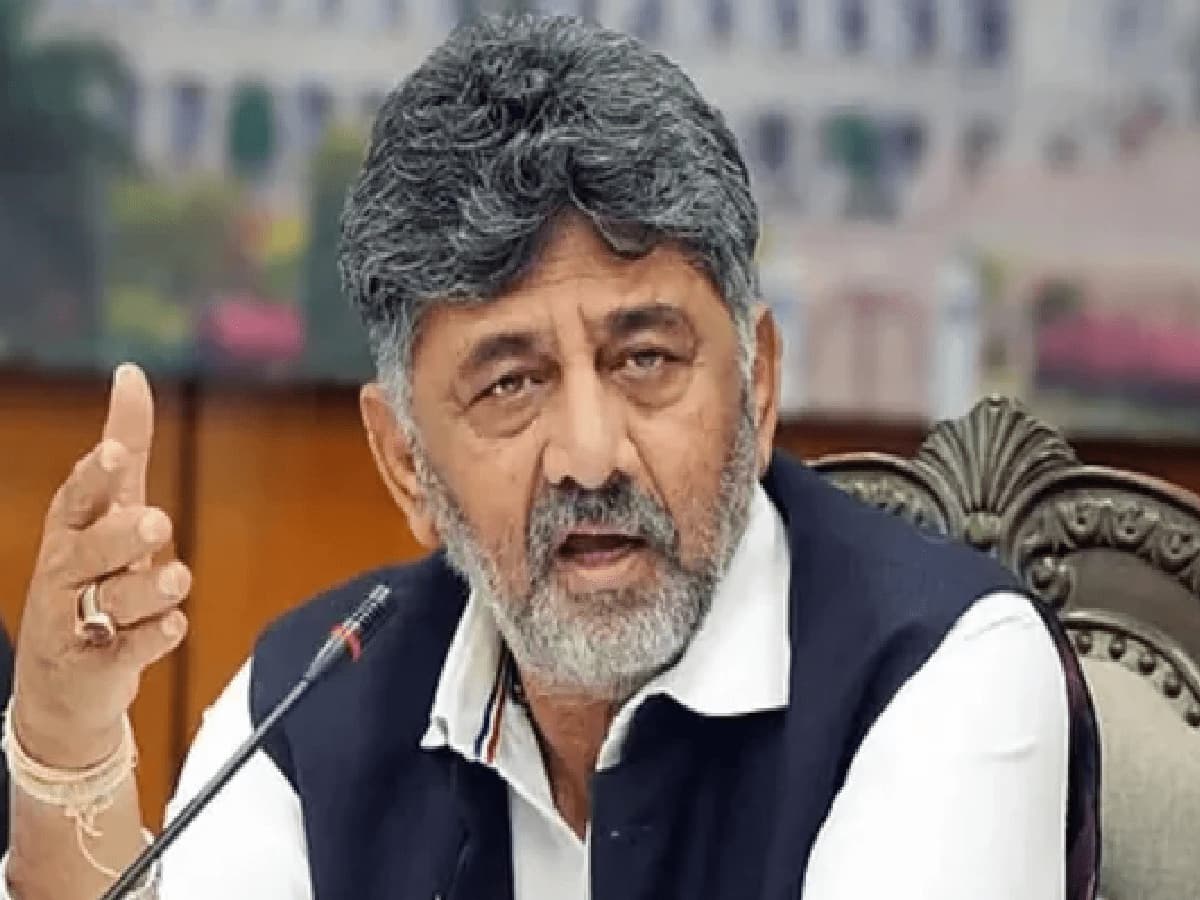
Escalating a widening administrative and political showdown over automobile fuel standards in southern India, Karnataka Deputy Chief Minister DK Shivakumar announced that the state's ongoing probe into suspected ethanol over-blending has expanded beyond retail petrol stations to encompass wholesale processing depots and industrial blending facilities. Addressing media representatives in Bengaluru, Shivakumar asserted that regional testing uncovered petrol samples carrying ethanol proportions exceeding 30 percent—well above the statutory 20 percent cap mandated under the Union government's National Policy on Biofuels. Emphasizing that commercial entities must not compromise engine integrity and public safety to capture disproportionate margins from lower-priced ethanol feedstocks, the state leadership confirmed that Food, Civil Supplies, and Consumer Affairs Minister Rizwan Arshad will table an exhaustive investigative dossier containing empirical test data, sampling logs, and documentary proof today.
Widening the Net: State Scrutinizes Processing Units and Depots
The investigation began following consumer complaints regarding engine stalling, sudden vehicle breakdown rates, and fuel injector fouling across multiple districts in Karnataka. In response, state food and civil supplies inspectors conducted coordinated raids, collecting fuel samples from retail outlets across urban and semi-urban belts. Preliminary findings raised alarms across state regulatory corridors after multiple batches demonstrated ethanol concentrations surging well beyond the central government's authorized E20 parameters, occasionally topping 30 to 35 percent.
Clarifying the expanded scope of administrative action, DK Shivakumar noted that checking retail fuel dispensing pumps addresses only one end of the supply chain. He explained that supply-chain tracking must audit bulk processing depots and refinery terminal junctions where chemicals and distilled biofuel compounds are blended before tanker dispatch. By examining terminal delivery vouchers, excise logs, and blending ratios at intermediate facilities, the state aims to determine whether over-blending occurs at institutional bulk storage hubs or through unauthorized post-dispatch additions at the retail level.
Accountability and Consumer Rights: Center Urged to Act
Rejecting claims that fuel quality monitoring rests solely with municipal enforcement wings, Shivakumar stressed that the Union Ministry of Petroleum and Natural Gas and central statutory regulators cannot overlook their supervisory responsibilities. Because national public sector undertakings manage refinery blending terminals, ensuring conformity to Bureau of Indian Standards (BIS) specifications requires federal monitoring across transit routes.
The Deputy Chief Minister noted that the state government has already apprised central authorities of its preliminary laboratory findings, urging immediate audits of regional storage installations. He emphasized that vehicle owners across Karnataka make significant personal investments in modern two-wheelers, four-wheelers, and commercial transport fleets, and using disproportionately high alcohol blends without calibrated engine designs risks causing severe long-term mechanical degradation, rubber seal corrosion, and fuel system failure. Shivakumar reiterated that commercial profit-seeking by taking advantage of the pricing spread between conventional fossil fuel and ethanol cannot occur at the expense of ordinary consumers.
BJP Counters: Vijayendra and Ashok Challenge Test Standards
The state administration’s findings have sparked strong pushback from the opposition Bharatiya Janata Party (BJP), which challenged the technical validity of the state's data and accused the government of manufacturing panic to target central agencies. Karnataka BJP State President BY Vijayendra questioned the scientific testing methodology used by the state's consumer affairs personnel, calling on the administration to publish the exact testing protocols, equipment calibration records, and laboratory accreditation details.
Vijayendra highlighted that premier public sector oil marketing companies (OMCs)—including Indian Oil Corporation Limited (IOCL), Bharat Petroleum Corporation Limited (BPCL), and Hindustan Petroleum Corporation Limited (HPCL)—routinely execute multi-tier quality checks under automated terminal automation systems. He noted that recent random testing across 700 to 800 retail fuel stations across the country revealed no deviations from mandated blending ceilings. Concurrently, Leader of the Opposition R. Ashok questioned whether Karnataka's regional laboratories possess the high-precision chromatography instrumentation required to certify fuel ethanol content accurately. Ashok raised questions regarding chain-of-custody protocols, asking whether samples were drawn from licensed oil firm terminals, state warehouses, or private dealership underground tanks, and whether unauthorized local adulteration had been ruled out prior to public disclosures.
The Mechanics of E20 Fuel: Vehicle Safety and Economic Margins
Under India’s Ethanol Blended Petrol (EBP) program, the central government accelerated rollout schedules to achieve a nationwide 20 percent ethanol blend (E20) to curb crude oil import bills and reduce vehicular carbon emissions. While modern flex-fuel and E20-compliant engines are calibrated with anti-corrosive fuel lines and revised electronic control unit (ECU) fuel mapping, vehicles designed under older Bharat Stage (BS-IV or early BS-VI) guidelines can face issues if exposed to ethanol concentrations above 20 percent.
Automotive engineers point out that anhydrous ethanol is hygroscopic, naturally absorbing ambient moisture from humid coastal air. When water blends into fuel tanks containing excess ethanol, it triggers phase separation—a condition where alcohol and water sink to the bottom of the fuel tank as an abrasive, non-combustible sludge. When drawn into the fuel rail, this mixture corrodes metallic injectors, damages fuel pumps, degrades intake valves, and causes severe engine misfires. Furthermore, because ethanol carries a lower energy density than pure gasoline, unregulated blending significantly drops overall fuel economy, forcing vehicle owners to pay regular petrol retail prices for an energy-deficient, uncalibrated fuel blend.
Impending Report: Food Minister Rizwan Arshad to Detail Findings
All eyes on Dalal Street, oil marketing circles, and Vidhana Soudha are now fixed on the formal press conference scheduled for today by Food and Civil Supplies Minister Rizwan Arshad. Official sources indicate that the minister will unveil a comprehensive report documenting testing results gathered from hundreds of retail dealerships, oil company delivery points, and regional supply nodes across Bengaluru Urban, Mysuru, Hubballi-Dharwad, and coastal Belagavi.
The briefing is expected to provide certified forensic fuel analysis reports from accredited testing laboratories, detailing precise alcohol-to-gasoline percentages, moisture absorption figures, and location-wise supply mappings. Should the state establish systemic adulteration across specific distribution corridors, it may trigger administrative crackdowns under the Essential Commodities Act, 1955, and the Motor Spirit and High Speed Diesel (Regulation of Supply, Distribution and Prevention of Malpractices) Order. As the detailed report arrives on the public desk, Karnataka's ethanol over-blending probe stands poised to reshape fuel oversight protocols, consumer protection audits, and the operational coordination between state food supplies departments and national oil marketing corporations.




