







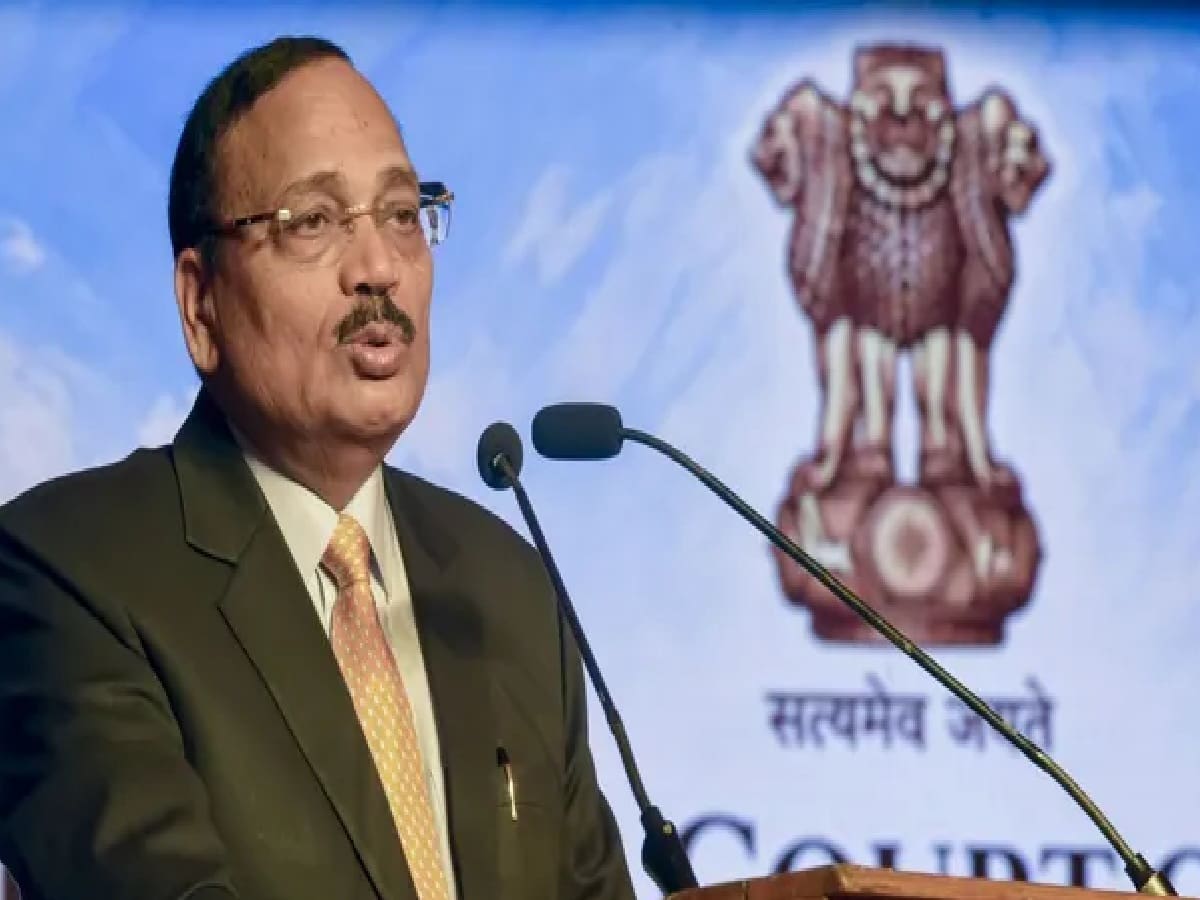
CJI Surya Kant Calls for Judicial Introspection on Urgent Listings
Delivering a powerful reflection on the administration of justice in India, Chief Justice of India Surya Kant emphasized that the dividing line between justice and injustice often rests not merely in the final verdict delivered by a bench, but in whether a court intervened at the exact hour it was needed most. Speaking at the Platinum Jubilee celebrations of the Kerala High Court on Sunday, the CJI urged constitutional courts across the country to engage in constructive introspection to refine their institutional diligence, streamline case management protocols, and introduce greater transparency and predictability into the daily listing of matters. Underlining that public faith in the rule of law is directly tied to swift remedial action, CJI Surya Kant observed that judicial responsiveness must keep pace with the urgent grievances of citizens before irreversible harm is inflicted.
Article 226 vs Article 32: Why High Courts Anchor Constitutional Justice Across India
Rebuffing a centralized view of the legal system, CJI Surya Kant declared that constitutional justice does not begin or end in New Delhi, asserting that its foundational strength resides in the robust network of 25 High Courts operating across Indian states. Because High Courts remain intimately connected to regional socioeconomic dynamics and the lived realities of common citizens, they often serve as the most effective forum for rapid legal resolution. Elaborating on this constitutional architecture, the CJI highlighted the unique scope of Article 226, characterizing it as one of the greatest institutional strengths of the Indian judicial apparatus. While Article 32 provides direct access to the Supreme Court strictly for the enforcement of fundamental rights, Article 226 empowers High Courts to issue prerogative writs and binding directives not only for constitutional infringements but also for statutory violations, administrative failures, and contractual disputes, making their authority to grant immediate interim protection an indispensable democratic shield.
The Urgent Listing Conundrum: Respecting Roster Autonomy While Harnessing Technology
Addressing systemic operational bottlenecks, the Chief Justice expressed concern over an escalating trend where litigants routinely petition the Supreme Court solely to seek early hearings or urgent listings for matters pending before High Courts. While affirming that the apex court unequivocally respects the constitutional autonomy of High Courts—including the absolute prerogative of Chief Justices to determine their own rosters—CJI Surya Kant noted that the sheer frequency of these urgent intervention requests necessitates an honest reappraisal of existing judicial processes. Posing critical questions to the legal fraternity, he challenged the institution to consider whether urgent cases can be identified through objective criteria, whether listing schedules can be made more transparent and predictable for litigants, and whether advanced digital technology can be integrated to systematically prioritize time-sensitive disputes where delays could cause irreversible injustice.




