







Riots and Looting Hit Major Cities as Interior Minister Points to Migrants
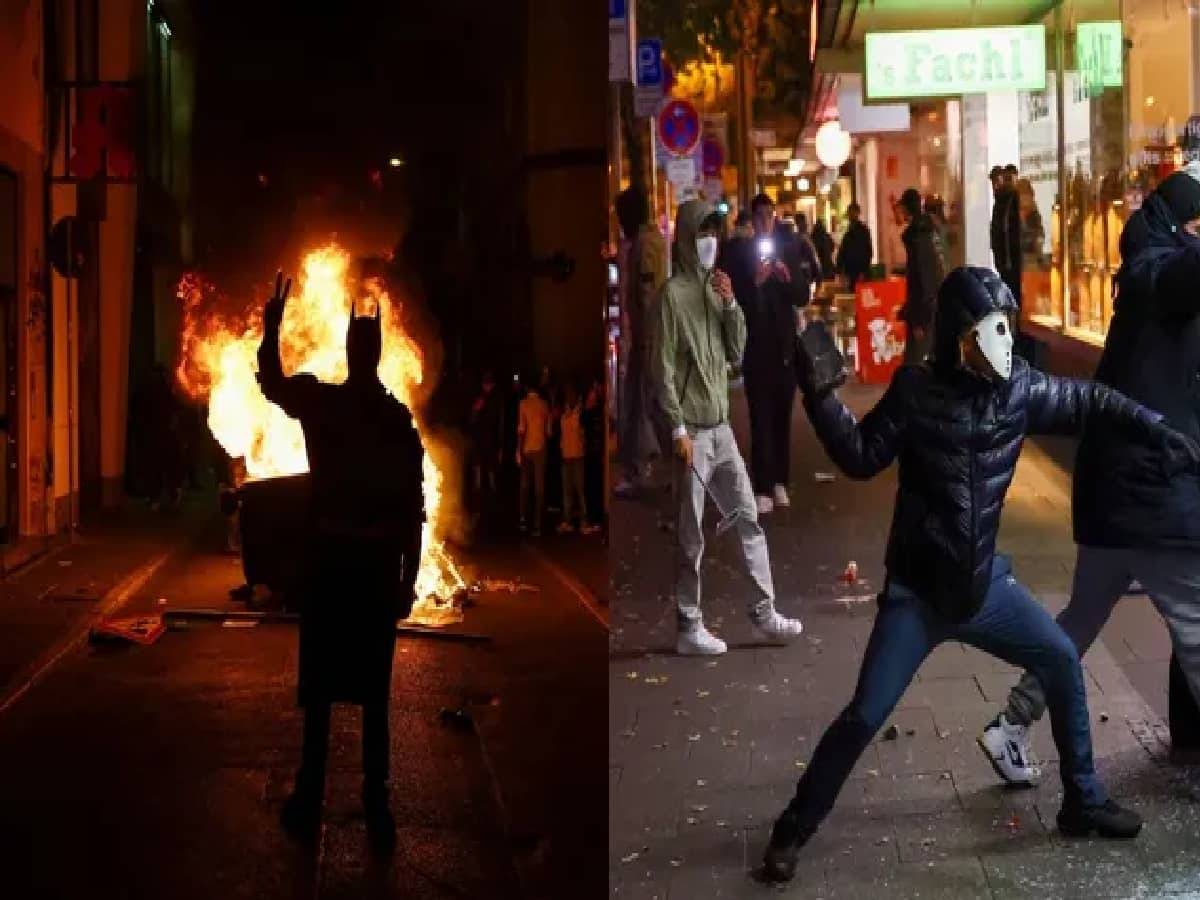
A wave of nationwide youth-led demonstrations escalated into civil unrest, property destruction, and commercial looting across several major German metropolitan hubs on Saturday, sparking widespread political condemnation and intensifying domestic debates over immigration and social spending. Thousands of young demonstrators marched through urban centers in response to a mass mobilization campaign orchestrated by the youth activist collective "GenZ regelt!" (Gen Z in Charge), demanding immediate government intervention to curb spiraling living costs, halt austerity-driven education budget reductions, and expand public funding for social infrastructure. Inspired by similar waves of student and youth mobilizations recently seen across France and Italy, the demonstrations initially began as peaceful civic rallies before deteriorating into violent clashes between masked agitators and federal riot control units.
Street Clashes and Commercial Vandalism: Frankfurt Looted as Police Deploy Water Cannons
The unrest turned severe in Frankfurt's commercial districts, where masked groups splintered away from the broader peaceful assembly to smash storefronts, torch property, and loot high-end retail establishments. Concurrent confrontations erupted in Berlin, Cologne, and Hamburg, where municipal security forces faced barrages of cobblestones, fireworks, and improvised petrol bombs, compelling law enforcement agencies to deploy tactical water cannons and tear gas to disperse crowds and regain control of public thoroughfares. Addressing the destructive escalation on social media platform X, Hesse State Premier Boris Rhein condemned the rioting, declaring that lawless violence, public property damage, and commercial extortion are completely intolerable and will be prosecuted under strict statutory provisions.
Political Backlash & Finger-Pointing: Minister Dobrindt Flags Expatriate Involvement as Left Defends Core Demands
The rioting ignited a fierce political blame game in Berlin, with federal officials clashing over the root causes and demographics fueling the street violence. German Interior Minister Alexander Dobrindt attributed the urban unrest directly to organized far-left extremist groups operating in tandem with delinquent elements from expatriate and migrant backgrounds, while remarking that the scale of damage had not yet matched the intensity of historical civil riots in Paris. The right-wing Alternative for Germany (AfD) echoed these accusations, demanding punitive border controls and an end to what it termed unchecked migration and radical left militancy. In contrast, progressive lawmakers pushed back against generalized scapegoating; Die Linke (Left Party) leader Ines Schwerdtner argued that isolated vandalism by fringe offenders must not be weaponized to delegitimize the valid economic anxieties of tens of thousands of peaceful students, while Greens co-leader Franziska Brantner expressed regret that the destructive actions of a destructive minority had actively overshadowed the vital social and educational grievances championed by the broader youth collective.
High-Stakes Mobilization: 'GenZ regelt!' Vows Escalation with Nationwide Rallies on November 14
Unfazed by the political storm and subsequent police crackdowns, representatives of the "GenZ regelt!" alliance released an official communique on their central digital portal stating that the weekend's demonstrations marked merely the opening chapter of a sustained nationwide campaign. The movement reiterated that structural neglect, rising tuition burdens, housing unaffordability, and the systemic erosion of public services across German states have pushed the younger generation to a breaking point, demanding a direct parliamentary response to their economic charter. Defying administrative calls for restraint, the activist collective announced plans for another coordinated nationwide day of demonstration scheduled for November 14, 2026, setting the stage for heightened security deployments and renewed confrontations across German municipal corridors.




