







Centre Scraps 500-Seat Assembly Cap to Keep UP Undivided
The Union government plans to scrap the constitutional cap of 500 seats in state legislative assemblies through a special provision in its proposed delimitation amendment bill, a move aimed at keeping Uttar Pradesh undivided. As India's most populous state heads toward post-delimitation expansion, the legislative package is designed to allow Uttar Pradesh's assembly strength to rise from 403 to around 605 seats without bifurcating the state.
Why the Centre Wants to Avoid Bifurcating Uttar Pradesh
For decades, debates around redrawing constituency boundaries in Uttar Pradesh have collided with calls from some quarters to carve out smaller administrative units from the state. According to Press Trust of India reports citing official sources, the Centre has no intention of splitting Uttar Pradesh under any circumstances. Instead, policymakers are crafting a constitutional carve-out so the state can absorb a 50 percent expansion in seats while remaining intact.
Under the existing constitutional framework—specifically Articles 170 and 333—no state legislative assembly can exceed 500 members. Uttar Pradesh currently has 403 assembly seats. A straight 50 percent increase across states would push Uttar Pradesh past that 500-seat ceiling to roughly 605 MLAs. Raising the upper limit for state assemblies—reportedly toward a ceiling of 650—removes a major legal hurdle to keeping the state unified while expanding representation.
Seat Projections for Uttar Pradesh After 2029
If the proposed delimitation framework takes effect ahead of the 2029 electoral cycle, Uttar Pradesh's political footprint in both Lucknow and New Delhi would expand sharply:
-
Legislative Assembly strength: Uttar Pradesh's 403 assembly seats are projected to rise by about 50 percent to 605 MLAs after 2029, making it the only state with more than 600 assembly members.
-
Lok Sabha representation: Alongside state assembly growth, Uttar Pradesh is projected to see its Lok Sabha tally expand to 120 MPs after delimitation.
-
Constitutional ceiling: Raising the state assembly cap from 500 to as high as 650 ensures that even an expanded Uttar Pradesh fits within constitutional limits without forcing territorial division.
Three-Bill Package and 850-Seat Lok Sabha Plan
The delimitation push centers on a three-bill package linked to operationalizing 33 percent reservation for women in the Lok Sabha and state assemblies before the 2029 general elections. Two of the bills are constitutional amendment bills—including the proposed Constitution (132nd Amendment) Bill—while a third addresses Union Territories.
Under the proposed changes, states would generally see a 50 percent increase in parliamentary and assembly constituencies, barring certain smaller Union Territories. The maximum strength of the Lok Sabha is proposed to rise from 550 to 850—comprising up to 815 elected members from states and 35 from Union Territories—with constituency boundaries and seat allocations then frozen again until 2051.
Space Crunch Across State Legislature Buildings
Expanding legislative chambers by roughly half creates a practical infrastructure challenge across India. Many state assembly complexes were built for much smaller cohorts of lawmakers and lack seating, office, and committee space for hundreds of additional members.
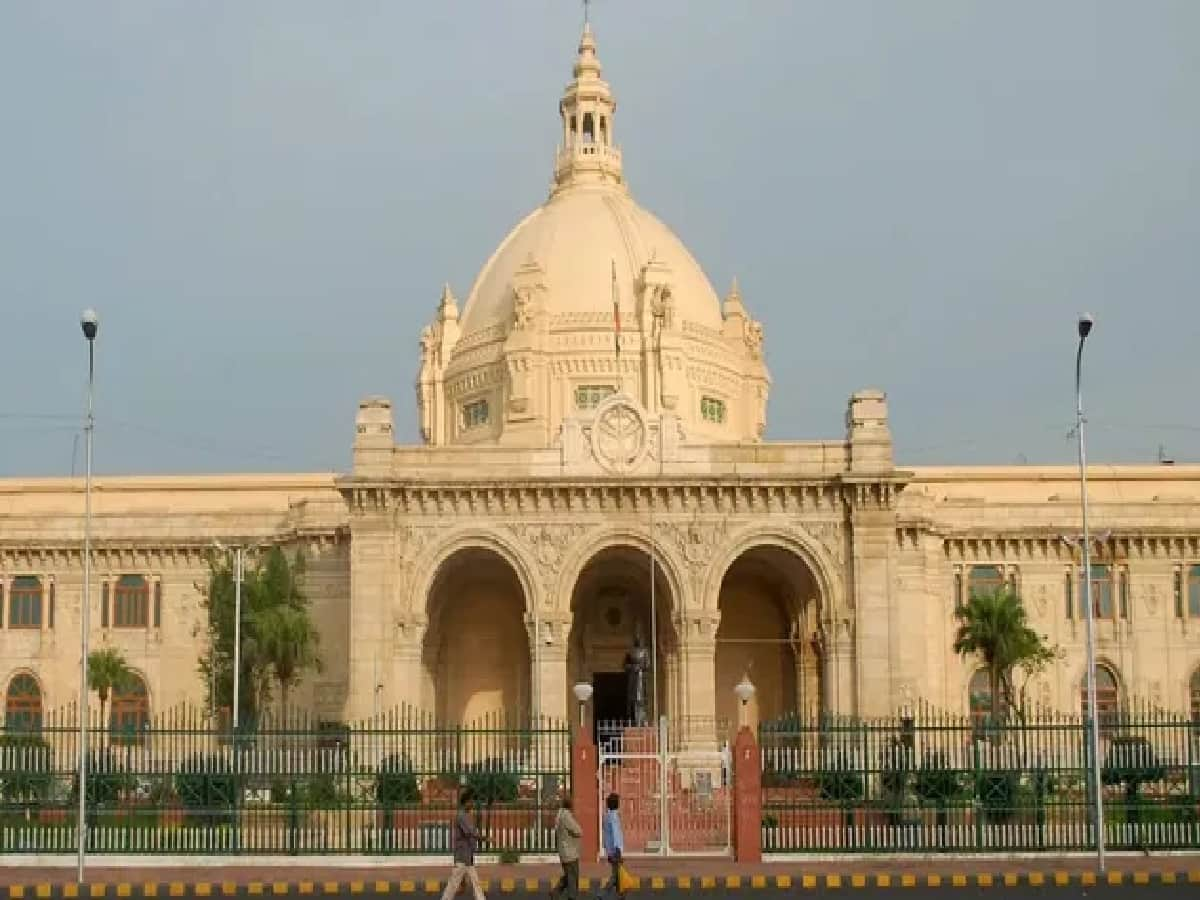
In Uttar Pradesh, the historic Vidhan Bhavan in Lucknow—inaugurated in 1928—faces physical constraints if the assembly expands from 403 to 605 members. Similar space pressures are anticipated in other states with heritage legislature buildings, such as West Bengal, meaning states will likely need new assembly complexes or major expansions before taking in larger post-delimitation legislatures.




