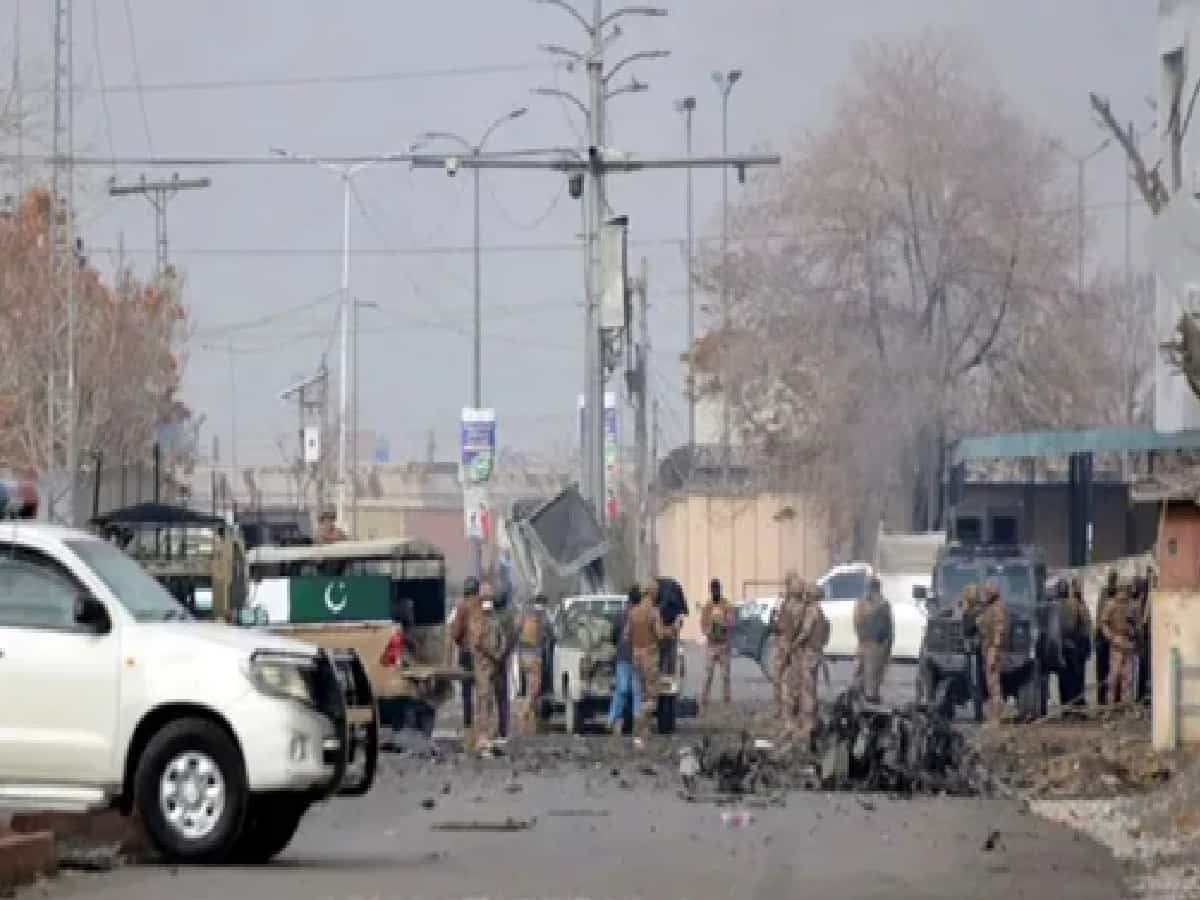
Balochistan Conflict Escalation: BLA Claims 26 Pakistani Soldiers Killed in Coordinated 7-Day Attacks Across 22 Locations
The restive province of Balochistan has once again emerged as the epicenter of intense geopolitical tension and armed conflict. The Balochistan Liberation Army (BLA), a prominent militant organization fighting for the independence of the region, has officially claimed responsibility for a massive wave of coordinated assaults targeting Pakistani military forces. According to statements released by the group, these high-intensity operations resulted in the deaths of 26 Pakistani soldiers and government security personnel over a critical seven-day window spanning from August 9 to August 15. The escalation marks a significant deterioration in the security landscape of Pakistan's largest yet most economically neglected province, raising urgent questions about regional stability, state control, and the growing efficacy of insurgent tactics.
Seven-Day Insurgent Campaign Targets 22 Strategic Locations in Balochistan
The recent flare-up was not a localized skirmish but a meticulously planned, multi-pronged campaign executed across 22 distinct locations throughout the Balochistan province. BLA spokesman Jiand Baloch detailed the scope of the offensive, highlighting that the group's fighters systematically targeted Pakistani army personnel, state security forces, pro-government militias, local police stations, and vital military bases. The insurgents also disrupted commercial transit routes, asserting economic and physical dominance over key regional thoroughfares. The breadth of these attacks underscores a sophisticated level of coordination and intelligence among Baloch fighters, who have waged a decades-long separatist movement against Islamabad. Analysts note that the ability to strike simultaneously across numerous districts demonstrates a resilient underground network capable of bypassing heavy military surveillance and counter-insurgency measures.
High Casualties Reported From Kalat IED Blast and Chagai Road Operations
Among the most devastating incidents during the week-long offensive was a high-impact improvised explosive device (IED) attack executed on August 12. The BLA targeted a moving Pakistani military convoy near Rodanjo in the Kalat district. According to insurgent reports, the blast obliterated two military vehicles and resulted in the immediate deaths of 17 soldiers, with an additional seven personnel sustaining severe injuries. This single engagement accounted for the majority of casualties reported during the campaign. Earlier in the week, on August 9, BLA fighters demonstrated their tactical reach by intercepting and seizing three commercial transport vehicles along the vital Quetta-Taftan road in the Chagai area. During this operation, insurgents also took members of the local police Eagle Squad hostage, stripping them of their state-issued weapons and communication equipment before retreating into rugged terrain.
Silence From Islamabad as Regional and International Security Concerns Mount
Despite the gravity of the claims and the high casualty figures reported by the militant faction, the government of Pakistan and local administrative officials have maintained a strict silence, offering no official comment or verification regarding the events. This lack of transparency from Islamabad is characteristic of ongoing media blackouts and information controls often imposed in conflict-heavy zones like Balochistan. Meanwhile, international observers, human rights advocates, and geopolitical strategists are closely monitoring the situation. The continuous cycle of state-sponsored suppression and armed separatist retaliation poses severe economic and security risks, particularly given Balochistan's vast natural resource wealth and its strategic importance to transnational infrastructure projects like the China-Pakistan Economic Corridor. As the BLA intensifies its campaign, the humanitarian and security crisis in the region deepens, leaving local populations caught in the crossfire of an intractable civil conflict.