NEET UG 2026 Counselling Decoded: Mastering the Dual System of All-India vs. State Quotas
Navigating the MBBS admission landscape after the NEET UG 2026 results can be complex, primarily because the process is bifurcated into two distinct, parallel systems: the All India Quota (AIQ) and the State Quota. Many candidates mistakenly believe there is a single, centralized counseling process for all seats; however, admission authorities vary depending on the category of the institution. Understanding this split is critical for every aspirant, as it dictates where and how you must register to secure a seat in your preferred medical college. Whether you are aiming for a Central University or a government college in your home state, the path to your MBBS degree requires separate registrations on both the national MCC portal and your respective state’s counseling portal.
The All-India Quota (AIQ) Framework
The Medical Counselling Committee (MCC), operating under the Directorate General of Health Services (DGHS), oversees the national-level seat allocation. Their scope includes 15% of the total seats in government medical colleges across the country. More importantly, the MCC handles 100% of the admissions for prestigious institutions including all Central Universities, AIIMS, JIPMER, Deemed Universities, ESIC institutes, and the Armed Forces Medical College (AFMC) in Pune. If your goal is to secure a seat in these national-level institutions, the MCC portal is your primary destination for registration and choice filling.
The State Quota and Private College Admissions
While the MCC manages national seats, the remaining 85% of seats in government medical colleges—the "State Quota"—are entirely under the jurisdiction of the respective state’s counseling authorities. These state bodies are also responsible for conducting the admission process for all private medical colleges within their regional borders. This distinction is vital: if you intend to explore both national and state-level options, you must complete the registration formalities on both the MCC website and your home state's official medical education portal. Failure to register with both entities will restrict your counseling options to only one pool of seats.
Step-by-Step Counseling Stages
The counseling process is structured into four sequential phases to ensure transparent and merit-based allocation:
-
Round 1: Open to all eligible, registered candidates. After paying the required fees, students must lock their preferred colleges. Seat allocation is determined strictly by NEET rank, category, and submitted preferences.
-
Round 2: Open for those who missed the first round or exercised the "free exit" option.
-
Mop-Up Round: A crucial phase for candidates who remain unallotted after the first two rounds.
-
Stray Vacancy Round: The final stage to fill remaining vacant seats, often using the existing pool of registered candidates.
Essential Documentation and Common Pitfalls
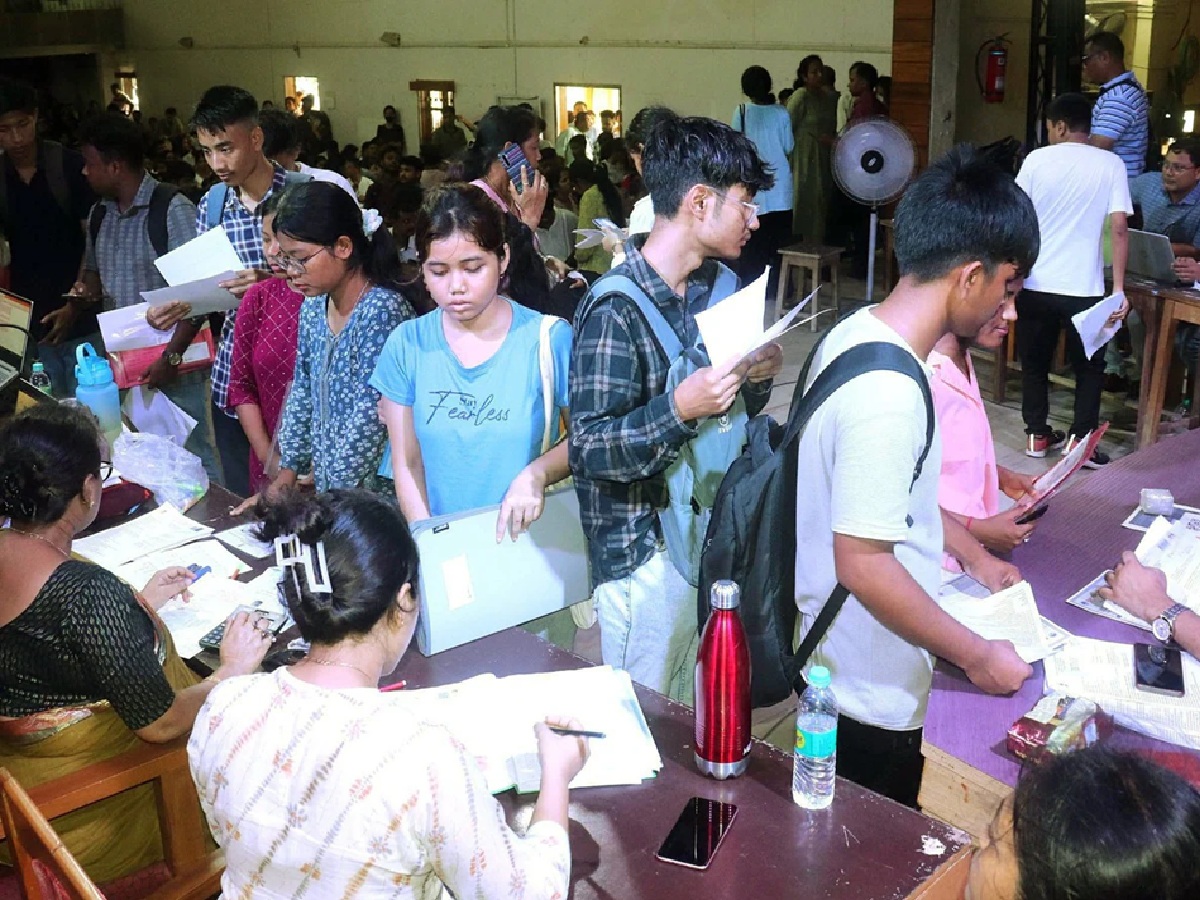
Preparation is the key to a stress-free admission experience. Ensure you have your NEET-UG admit card, rank letter, final allotment letter, 10th and 12th mark sheets, photo ID, and relevant category certificates (if applicable) ready for verification. Regarding choice filling, there is no limit to the number of preferences you can list; be strategic and thorough. Avoid common, costly errors such as mismatching certificate details, failing to lock your choices, or missing the critical reporting deadlines after seat allotment. Staying organized and attentive to the specific guidelines of both the MCC and your state board is the most effective way to guarantee your place in a medical college this year.