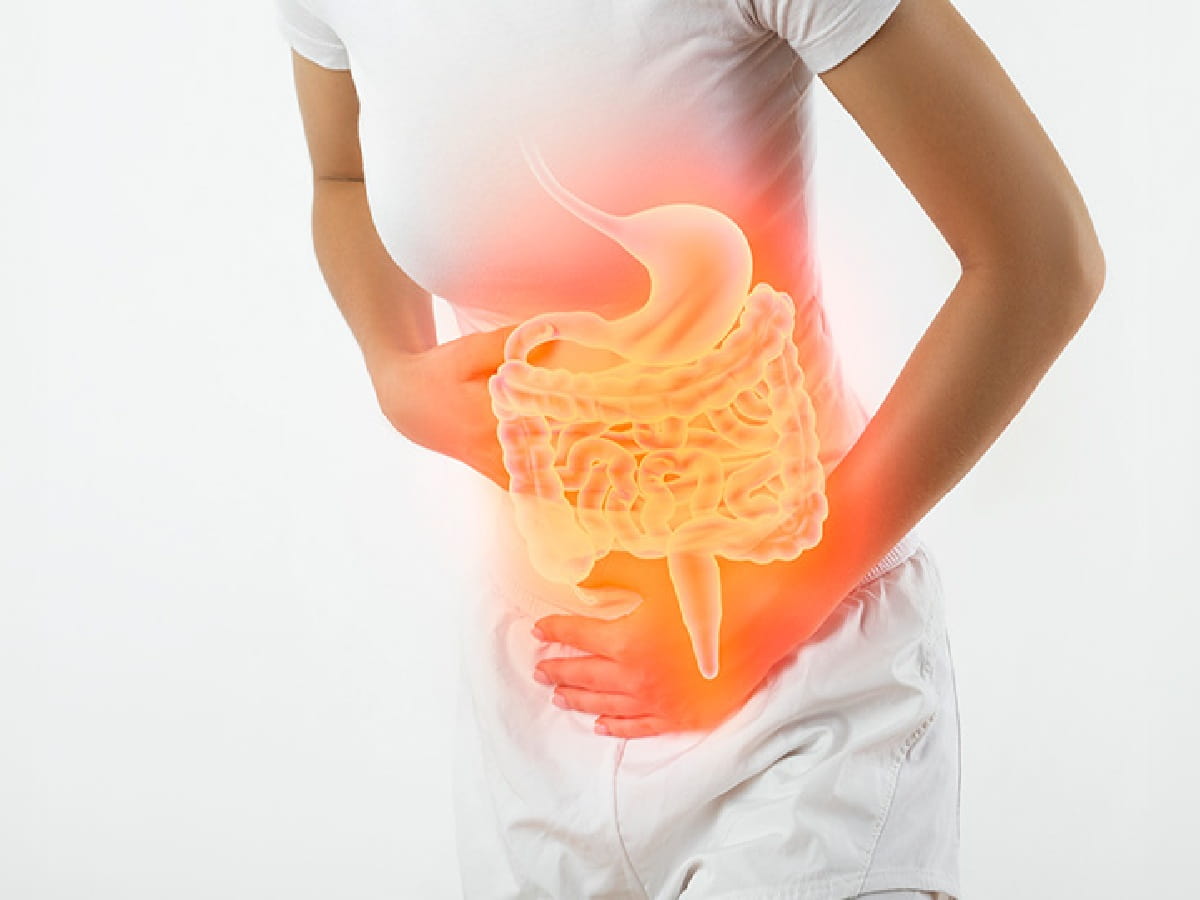
Struggling with Constipation, Discover How Prunes, Hydration, and Simple Lifestyle Changes
Digestive health plays a foundational role in overall well-being, yet millions struggle with the uncomfortable and sluggish reality of constipation. If you haven't had a bowel movement in three days, experience persistent stomach heaviness, or find yourself straining during bathroom visits, your digestive system is signaling distress. Beyond physical discomfort, chronic constipation triggers bloating, gas, and restlessness that can derail your entire day. Fortunately, natural interventions—ranging from nutrient-dense superfoods like prunes to proper hydration and light physical activity—offer safe, effective relief without immediately resorting to harsh medications.
Why Prunes Are a Powerful Natural Remedy for Constipation
When stools become hard, dry, and difficult to pass, incorporating dried plums, commonly known as prunes, into your daily routine can provide remarkable relief. Prunes have long held a stellar reputation as a natural laxative due to two key components: dietary fiber and sorbitol.
Fiber helps add bulk to stool and improves its overall consistency, while sorbitol acts as a natural sugar alcohol that draws water directly into the intestines. This process softens the stool and facilitates smooth passage. According to health resources like Medical Newstoday, clinical studies have highlighted the effectiveness of prunes, often examining a standard serving of approximately 50 grams (about seven medium-sized prunes) consumed twice a day. However, individuals with pre-existing digestive sensitivities should consult a healthcare provider before making major dietary adjustments.
The Vital Role of Water and Fiber in Gut Health
While prunes are highly effective, eating them alone is not a cure-all. Dehydration is a primary culprit behind hard, sluggish stools, as an insufficiently hydrated body pulls water from waste, making elimination difficult. Drinking plenty of water throughout the day is non-negotiable for maintaining smooth digestive flow.
Pairing hydration with a fiber-rich diet ensures long-term gut health. Vegetables, fresh fruits, whole grains, pulses, beans, nuts, and seeds provide essential dietary fiber. Soluble fiber absorbs water to form a gel-like substance that softens stool, with psyllium husk being a popular and effective supplement. However, health experts advise increasing fiber gradually; suddenly overloading your system can trigger bloating, gas, and abdominal discomfort.
Lifestyle Shifts: Daily Walking and the Role of Coffee
A sedentary daily routine significantly slows down bowel motility. Regular, moderate physical activity acts as a natural stimulus for the digestive tract. You do not need grueling workouts; a brisk daily walk, light cycling, or swimming can keep your digestive system active and alleviate constipation symptoms.
Additionally, many people find relief through their morning cup of coffee. Caffeine can stimulate the muscles of the digestive tract, encouraging a prompt bowel movement. However, individuals suffering from irritable bowel syndrome (IBS) or caffeine sensitivity should exercise caution, as coffee can sometimes worsen gas and stomach irritation.
When to Consult a Doctor
While occasional sluggishness responds well to dietary tweaks, increased water intake, and walking, persistent bowel issues require professional medical evaluation. If constipation lasts for several days, recurs frequently, or fails to resolve with home remedies, consulting a doctor is essential. While over-the-counter laxatives are readily available, relying on them regularly without medical guidance is discouraged. A qualified physician or pharmacist can safely diagnose underlying causes and recommend the right treatment plan for your body.