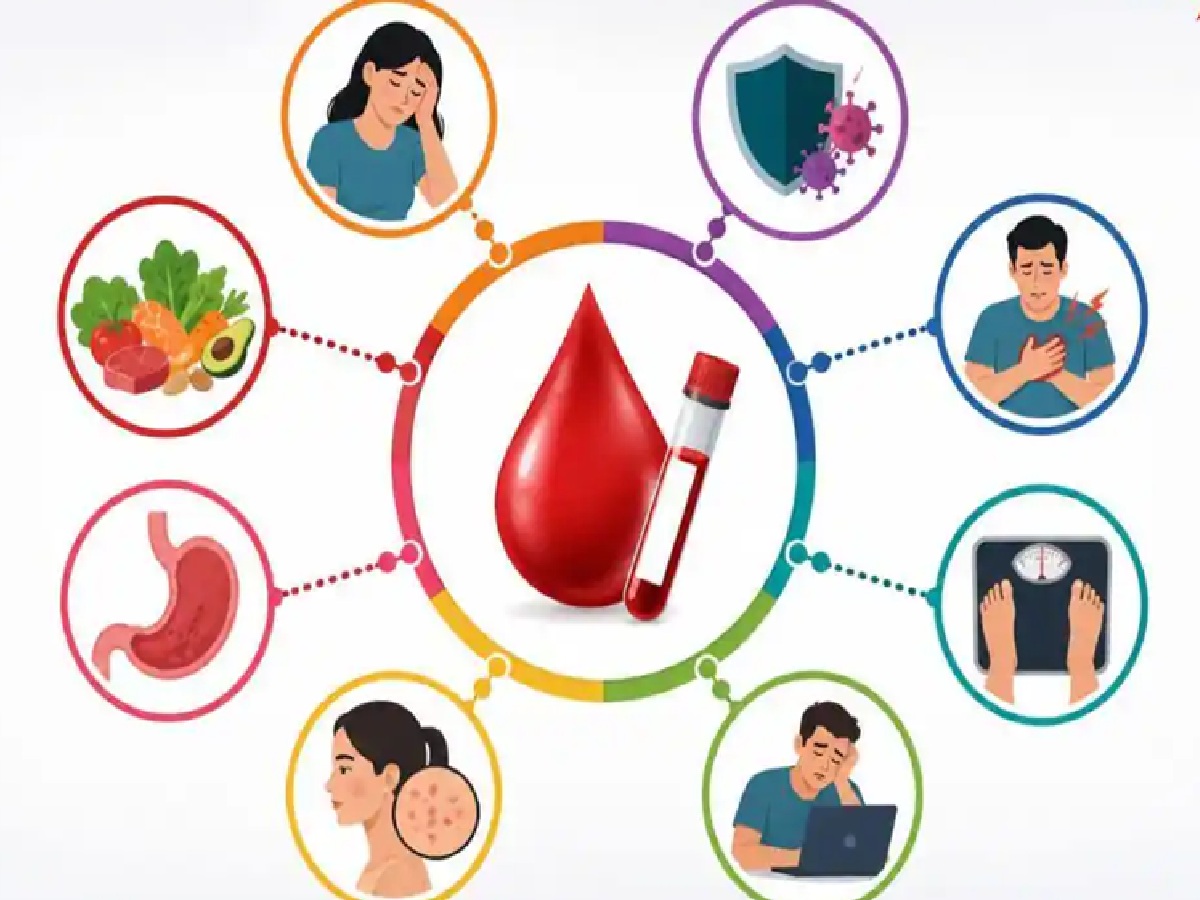
Stop Unnecessary Blood Tests: Expert Reveals Why Over-Testing Can Harm Your Health
In today’s health-conscious era, routine full-body checkup packages and frequent blood tests have become a common habit for many individuals. Whether it is experiencing minor fatigue and instantly opting for a vitamin B12 test, noticing slight weight fluctuations and demanding a thyroid panel, or simply buying a diagnostic package containing dozens of assays out of fitness anxiety, many people overdo medical testing. However, medical experts warn that getting blood tests done excessively without a valid clinical reason can often lead to more harm than good, causing unnecessary panic, financial strain, and physical discomfort.
Why Minor Report Fluctuations Cause Unnecessary Panic
It is entirely normal for standard laboratory reports to occasionally show a single value falling slightly above or below the established normal reference range. Unfortunately, seeing these minor variations often triggers immediate panic among patients who assume it signifies a severe or life-threatening illness. This unwarranted alarm frequently sets off a stressful cascade of secondary diagnostic tests, specialist consultations, and sometimes unneeded medical treatments. According to Dr. Santosh Kumar Agarwal, Director of the Internal Medicine Department at Yatharth Super Speciality Hospital, Sector 88, Faridabad, blood tests should strictly be performed based on actual physical symptoms, detailed medical history, and specific risk factors rather than convenience or routine panic.
The Most Over-Researched and Repeated Blood Tests
Medical professionals point out that patients frequently push for the repetition of certain diagnostic panels far more often than necessary. These commonly over-tested categories include vitamin D levels, vitamin B12, thyroid function tests, HbA1c for blood sugar, lipid profiles for cholesterol, and complete blood counts (CBC). If an individual is clinically stable, has experienced no changes in their treatment plan, and presents with zero new symptoms, repeating these tests offers no medical advantage and serves little diagnostic purpose.
Hidden Side Effects and Disadvantages of Excessive Blood Draws
While routine diagnostics are vital for managing health, undergoing unnecessary and repeated blood tests carries several hidden drawbacks and physical risks:
-
Mental Anxiety: Minor, harmless fluctuations in report numbers frequently induce severe psychological stress and health hypochondria.
-
False Positives and Over-Treatment: Over-testing increases the statistical likelihood of false positives, which can lead to invasive follow-up procedures, needless expenses, and unwanted medications.
-
Physical Complications: Frequent needle pricks can cause local vein trauma, inflammation, bruising, skin irritation, and swelling.
-
Risk of Anemia: In vulnerable individuals, particularly women, excessive and frequent blood draws can deplete iron stores and elevate the risk of anemia over time.
How Often Should Healthy Individuals Get Tested
For healthy adults with no underlying symptoms or chronic conditions, medical guidelines suggest that routine blood tests once every one to three years are generally more than sufficient. The exact frequency should always be tailored to an individual's age, family medical history, and personal lifestyle risk factors. Standard baseline checkups typically include blood sugar, lipid profiling, complete blood counts, and kidney evaluations, complemented by regular monitoring of blood pressure and body weight. Ultimately, true wellness is not about accumulating as many diagnostic reports as possible, but rather about undergoing the right tests at the right time under professional medical guidance.