







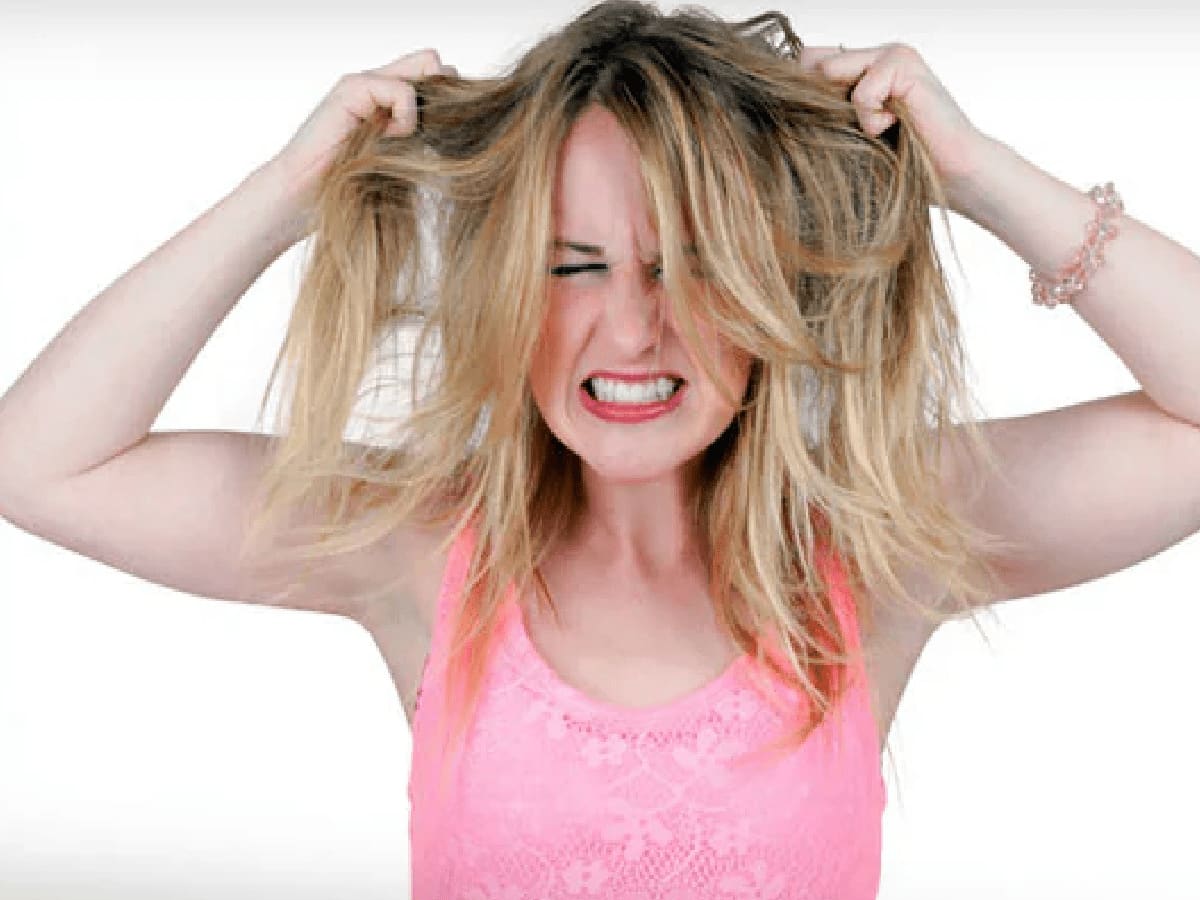
Pulling Your Hair When Stressed, Trichotillomania, the Compulsive Urge Cycle, and Warning Signs
When emotional overwhelm, chronic worry, or acute anxiety peaks, individuals process psychological strain through diverse physical coping mechanisms. For some, intense distress triggers a persistent compulsion to pluck strands of hair from their scalp, eyebrows, or eyelashes. While casually dismissed by observers as a harmless or eccentric nervous quirk, clinical psychiatry identifies this behavior as trichotillomania, a complex body-focused repetitive disorder classified along the obsessive-compulsive spectrum. Far from a voluntary habit that can be dropped at will, the condition traps sufferers in a neurochemical feedback loop of mounting tension and fleeting emotional relief.
The Anatomy of Trichotillomania: The Compulsive Tension-Relief Feedback Loop
The neurological process driving compulsive hair extraction operates through a distinct cyclic pattern:
-
Mounting Pre-Pull Tension: Prior to the act, individuals experience a palpable sensation of physical restlessness, scalp tingling, or overwhelming emotional heaviness that becomes impossible to ignore.
-
Transient Emotional Release: The physical sensation of plucking the hair follicle delivers an instantaneous surge of temporary comfort, calm, or sensory satisfaction.
-
The Guilt and Anxiety Rebound: The brief relief quickly dissipates, replaced by intense feelings of remorse, frustration, and escalating anxiety, which re-ignites the compulsion and restarts the cycle.
Automatic vs. Focused Pulling: How and When the Urge Takes Control
Clinical evaluations reveal that hair extraction manifests through two distinct psychological mechanisms:
-
Unintentional or Automatic Pulling: This occurs during sedentary, low-stimulation periods such as watching television, reading books, studying, or driving, where the person’s hand drifts to the scalp or eyebrows without conscious awareness.
-
Intentional or Focused Pulling: This happens as a deliberate reaction to intense emotional distress, such as acute anger, deep loneliness, panic, or overwhelming defeat, where the physical act is used to distract the mind from unbearable emotional pain.
What Happens in the Brain: Habit Loops and Emotional Dysregulation
Chronic hair pulling reflects an underlying disconnect between habit-forming circuits and emotional regulation centers:
-
Hijacked Basal Ganglia Pathways: As repetitive plucking persists over time, the brain's basal ganglia—which encodes daily motor patterns—hardwires the motion into an automatic behavioral routine.
-
Impaired Prefrontal Inhibition: Concurrently, the prefrontal circuits responsible for emotional control and stress modulation struggle to manage incoming psychological pressure, leaving the nervous system reliant on the physical extraction loop as a soothing mechanism.
Clinical Red Flags: When Is It Time to Consult a Medical Professional?
Recognizing the boundary between occasional nervous fidgeting and a clinical disorder is vital for timely medical intervention:
-
Visible Patchy Alopecia: Noticeable bald spots or thinning patches develop on the scalp, eyebrows, or lash lines, altering facial aesthetics and hair density.
-
Loss of Volitional Control: Repeated, exhausting efforts to resist or halt the urge fail, leaving the individual feeling helpless and out of control.
-
Social and Emotional Isolation: Sufferers begin avoiding social gatherings, refusing routine salon haircuts, or avoiding outdoor activities due to deep embarrassment and fear of exposure.
-
Differential Dermatological Diagnosis: A clinical evaluation is necessary to rule out fungal infections, alopecia areata, or underlying dermatological scalp conditions before initiating cognitive behavioral therapy and habit reversal training.




