







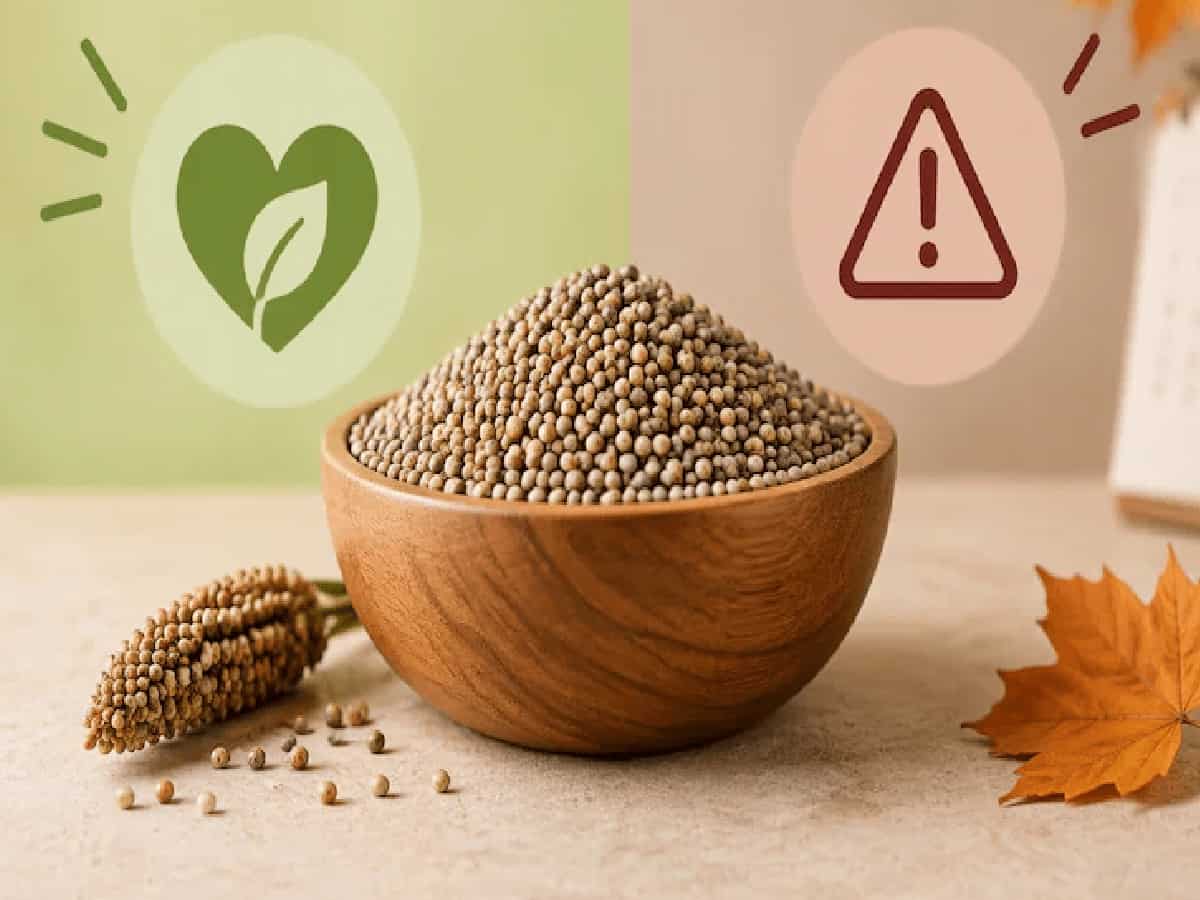
Eat Millet in October, Health Benefits, Digestion Rules, and Right Quantity for Changing Weather
The onset of October brings a noticeable transition in weather patterns across northern and central India, where warm, sunlit afternoons give way to crisp, chilly mornings and evenings. As seasonal temperatures drop, household dietary routines shift rapidly toward traditional winter comfort foods such as bajra roti (pearl millet flatbread), millet porridge (khichdi), and savory tikkis. However, consuming thermogenic grains too early in the seasonal calendar can catch an unprepared digestive system off guard. Medical and traditional health practitioners caution that while pearl millet is an exceptional winter superfood, its high internal heat potency and dense fiber demand specific dietary pacing during the transitional autumn climate.
Why Millet Requires Careful Timing During the October Weather Shift
The delicate balance between lingering daytime heat and night cooling directly impacts human digestive metabolism:
-
Slower Digestive Fire: According to Unani and holistic medicine expert Dr. Syed Ahmed Khan, the dual nature of October weather—daytime warmth paired with nocturnal chill—naturally slows down internal gastric motility.
-
Inherent Thermogenic Nature: Millet is classified as a warm, heat-producing grain that generates internal thermogenesis to fortify immunity against seasonal flus, chest congestion, and viral infections.
-
Risk of Overheating: Because early October afternoons remain sunny and warm, rushing into daily bajra consumption can easily cause acid reflux, sour burps, bile aggravation, and severe bloating.
Four Major Health Benefits of Adding Millet to Your Autumn Diet
When integrated correctly, pearl millet supplies a concentrated reservoir of essential macro and micronutrients:
-
Enhanced Digestive Regulation: Millet is packed with soluble and insoluble dietary fiber, which promotes regular bowel movements and prevents chronic constipation when paired with adequate water intake.
-
Sustained Energy Release: The complex carbohydrates present in bajra break down slowly, combating the lethargy, seasonal sluggishness, and fatigue common during changing autumn weather.
-
Cardiovascular and Glycemic Balance: Loaded with essential minerals like magnesium and potassium, millet supports arterial dilation, helping manage blood pressure and stabilizing insulin responses.
-
Bone Strength and Joint Relief: Dense concentrations of bioavailable calcium and phosphorus nourish skeletal tissues, helping alleviate morning joint stiffness as ambient temperatures begin to fall.
Essential Rules and Precautions for Consuming Millet in October
Gradual introduction and culinary balancing are crucial to prevent gastric distress during early autumn:
-
Limit to 2–3 Times Weekly: Restrict bajra intake to two or three meals a week in early to mid-October, reserving daily consumption for the harsher winter frost starting in November.
-
Always Pair with Ghee or Butter: Because bajra flour is naturally dry and astringent, always brush freshly cooked rotis with pure desi ghee or white butter to lubricate the intestinal tract and aid smooth assimilation.
-
Avoid Combining with Cold Curd: Refrain from pairing millet rotis with chilled curd or yogurt during October, as combining hot-potency grains with cooling, mucus-forming dairy can trigger coughs, throat irritation, and sinus congestion.
-
Hydration Is Non-Negotiable: Given the high fiber density of whole millets, drinking ample warm or room-temperature water throughout the day is vital to assist smooth gastric transit.
Medical Warning: Who Should Exercise Extra Caution with Bajra?
Certain individuals must seek professional clinical advice before introducing pearl millet into their daily plates:
-
Thyroid Disorder Precautions: Patients diagnosed with hypothyroidism must consume pearl millet in strict moderation, as goitrogenic compounds in unprocessed bajra can interfere with iodine absorption if taken excessively.
-
Hyperacidity and GERD Sufferers: Individuals prone to chronic acid peptic disease, stomach ulcers, or GERD should minimize millet intake until colder weather arrives to avoid triggering heartburn.
-
Sensitive Digestive Systems: Anyone with easily upset stomachs, inflammatory bowel tendencies, or chronic indigestion should keep portion sizes small and properly cooked during October.




