







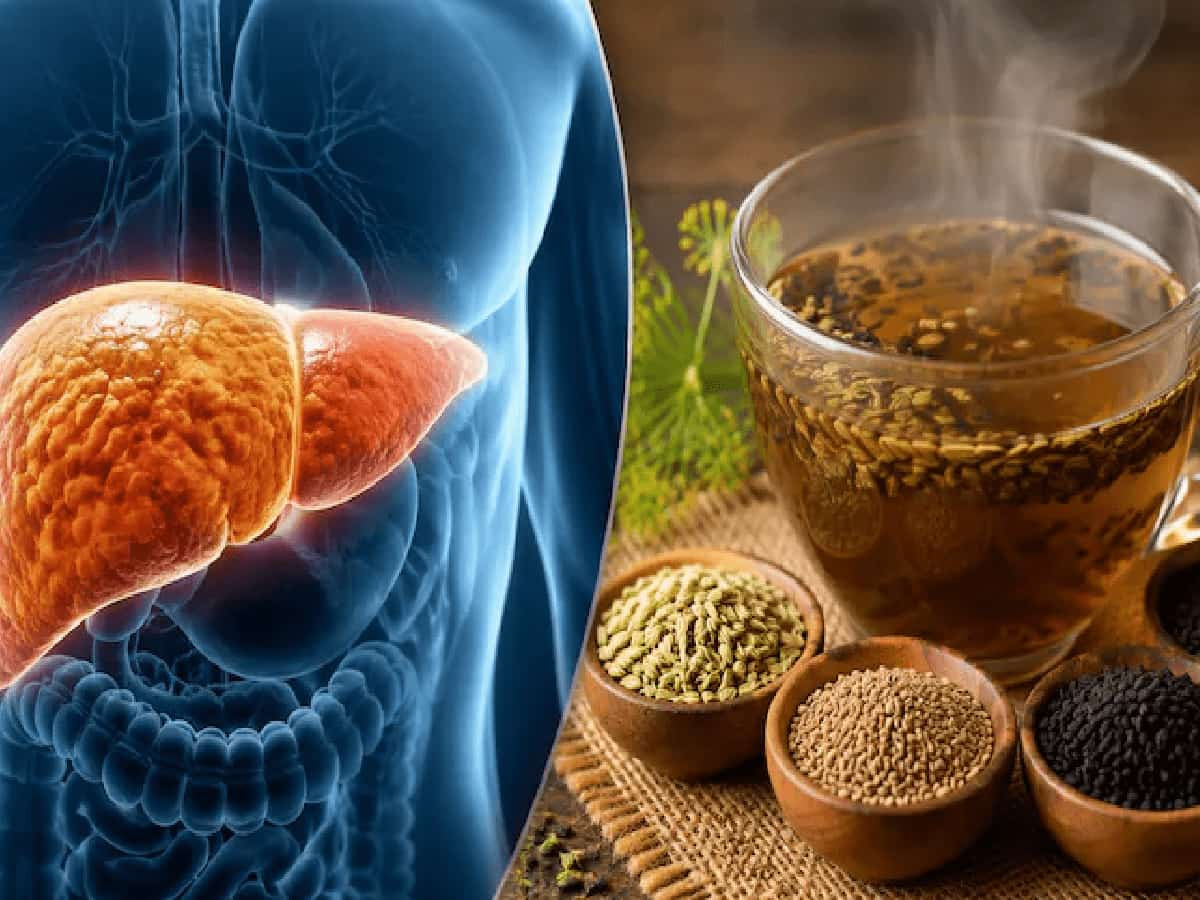
Fatty Liver Home Remedy: Acharya Manish Shares 4-Spice Decoction
Not long ago, fatty liver was largely viewed as a health concern that surfaced after the age of 50. Today, ultrasound reports and routine blood screenings tell a very different story. Across Indian cities and towns—from metro hubs to households across Uttar Pradesh in places like Unnao, Kanpur, and Lucknow—doctors are routinely flagging excess fat accumulation in the liver among young adults aged 25 to 30, often triggered by expanding waistlines, desk-bound schedules, and ultraprocessed eating habits. Responding to this growing everyday worry, wellness educator Acharya Manish recently shared a video on his Instagram handle outlining a traditional, four-spice herbal decoction (kadha) along with strict timing rules aimed at supporting digestion and easing liver burden.
Why Does Fatty Liver Develop in Younger Adults
To address fatty liver effectively, it helps to understand what puts the organ under pressure in the first place. The liver acts as the body's central metabolic and filtering powerhouse—processing nutrients from digested food, regulating fat and sugar storage, and clearing metabolic waste. When daily diets lean heavily on deep-fried snacks, refined flour (maida), added sugars, sugary cold drinks, and frequent restaurant or packaged foods, the liver's metabolic workload spikes. Over time, when incoming fats and sugars outpace what the liver can efficiently process and burn, excess triglycerides accumulate inside liver cells, leading to fatty liver.
Ingredients and Method for Acharya Manish's 4-Spice Decoction
In his video, Acharya Manish highlighted a simple decoction prepared from four common Indian kitchen spices traditionally used to aid digestion and metabolism:
-
Fennel seeds (Saunf): 1 teaspoon
-
Carom seeds (Ajwain): 1 teaspoon
-
Black cumin seeds (Shahi Jeera / Kala Jeera): 1 teaspoon
-
Nigella seeds (Kalonji): 1 teaspoon (research on Nigella sativa has also explored its antioxidant and anti-inflammatory compounds such as thymoquinone in metabolic and liver wellness)
How to Prepare It: Add one teaspoon each of fennel seeds, carom seeds, black cumin seeds, and nigella seeds into a glass of water. Place the mixture over a low flame and let it simmer gently until the liquid reduces to half its original volume. Turn off the heat, strain the liquid into a cup, and consume it freshly prepared rather than storing batches for later.
Rules and Timing for Drinking the Decoction
Acharya Manish also laid out specific usage guidelines for anyone trying this routine:
-
5 Days On, 2 Days Off: Consume the decoction five days a week, taking a two-day break each week so the body and liver get rest.
-
Morning and Night on an Empty Stomach: Drink it twice daily—once first thing in the morning on an empty stomach and once at night before going to bed.
-
Maintain a 2-Hour Food and Drink Window: According to his instructions, avoid eating or drinking anything else for two hours before and two hours after taking the decoction.
Pairing Kitchen Remedies With Lasting Lifestyle Changes
While traditional spice decoctions can complement digestive comfort, sustainable recovery from fatty liver depends heavily on daily habits—cutting back on refined sugar, fried items, and sweetened beverages, prioritizing fresh home-cooked meals and fiber-rich vegetables, staying physically active, and getting periodic liver function or ultrasound evaluations when advised by a doctor. Anyone with existing medical conditions, acidity sensitivity, pregnancy, or ongoing medications should check with a qualified healthcare provider before starting concentrated herbal regimens.




