







Can AI Decode Ageing, Lucknow University Consortium Wins ₹2 Cr Grant
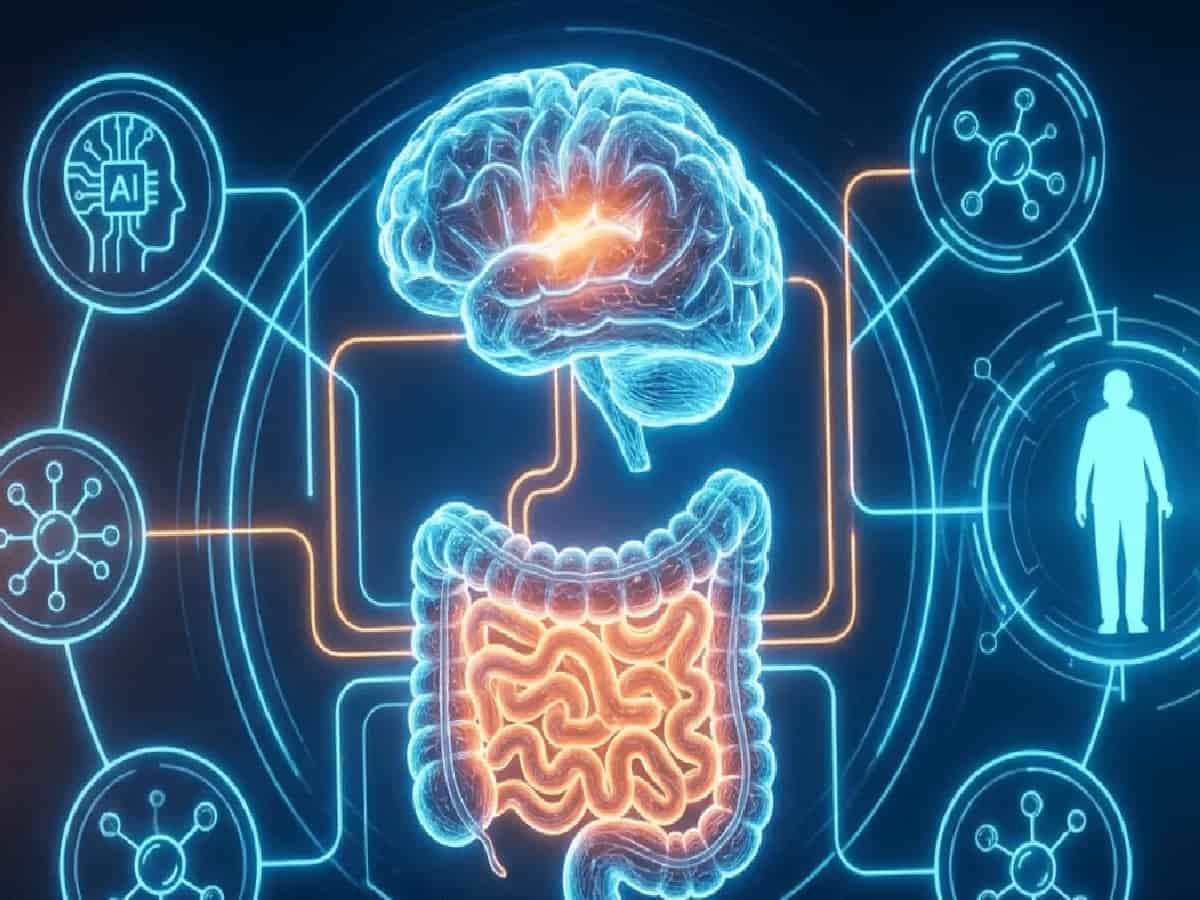
In a pioneering scientific development that bridges artificial intelligence, clinical gastroenterology, and neurochemistry, the Indian Council of Medical Research (ICMR) has approved a landmark ₹2 crore research grant to a multi-institutional academic consortium steered by the University of Lucknow. Awarded under the prestigious ANVESHAN initiative, the competitive extramural funding will finance an innovative, multi-disciplinary investigation titled "A Pilot Study on AI-Driven Gut-Brain Axis Framework Targeting Neuropeptide Signatures in Ageing Humans". By integrating high-performance machine learning models with advanced biochemical profiling and clinical data, the collaborative initiative seeks to answer one of modern biogerontology's most enduring questions: can the computational decoding of cross-talk between the digestive tract and the central nervous system reveal biological pathways toward healthy longevity and mitigate the onset of neurodegenerative disorders?
Unraveling the Gut-Brain Axis: A Modern Frontier in Longevity Science
The scientific premise of the project centers upon the "gut-brain axis"—the bidirectional, continuous biochemical signaling superhighway linking the central nervous system (CNS) with the enteric nervous system (ENS) and gastrointestinal microenvironment. For decades, traditional geriatric medicine observed memory loss, metabolic slowdown, and systemic cognitive decline primarily through isolated neurological paradigms. However, cutting-edge physiological research demonstrates that enteric imbalances, altered intestinal permeability, and fluctuating microbiome populations trigger systemic neuroinflammation long before classical clinical symptoms emerge in ageing adults.
Central to this biochemical dialogue are neuropeptides—complex signaling molecules synthesized by specialized enteroendocrine cells and neurons that modulate gut motility, appetite regulation, mood stabilization, and immune balance. As the human body ages, the baseline concentrations and functional fidelity of these neuropeptides undergo subtle, multifaceted shifts. By systematically examining how specific neuropeptide signatures transform over time, the research consortium aims to identify the biochemical trigger points that separate standard, healthy human ageing from pathological cognitive deterioration.
AI-Powered Computational Framework: Decoding Complex Biological Signals
Traditional laboratory methodologies often encounter immense bottlenecks when attempting to map the hyper-complex, non-linear variables inherent to the gut-brain axis. The convergence of diverse physiological inputs—spanning genomic sequences, blood-serum neuropeptide arrays, gut microbiome metabolites, dietary parameters, and clinical cognitive profiles—demands computational analytical power far beyond conventional statistical tools.
To overcome this, the Lucknow-led research initiative leverages advanced artificial intelligence algorithms, deep neural networks, and pattern-recognition architectures. By processing complex multi-omics datasets alongside longitudinal clinical records, the AI engine is designed to discover hidden biological markers that human scrutiny cannot detect. The algorithm will map predictive correlations between specific digestive peptide patterns and early cognitive changes, establishing a computational framework capable of forecasting metabolic vulnerability years before irreversible brain atrophy or functional memory decline sets in.
A Multidisciplinary Consortium: Bridging Leading Research Hubs
The project brings together senior scientific minds across biochemistry, clinical gastroenterology, and computational life sciences. Dr. Rudra Prakash Ojha, an accomplished associate professor in the Department of Biochemistry at the University of Lucknow with extensive research experience in neurochemistry and metabolic disorders, will lead the consortium as the Principal Investigator (PI).
Joining him as Co-Principal Investigator is his departmental colleague, Dr. Raj Kamal Srivastava, an expert in cellular physiology and bone-metabolic signaling. The consortium incorporates critical clinical oversight through Co-Principal Investigator Dr. Sumit Rungta from the Department of Medical Gastroenterology at King George’s Medical University (KGMU), ensuring that laboratory and computational findings remain anchored in patient diagnostics and therapeutic relevance. Additionally, Dr. Shailendra Kumar Singh of S.S. Khanna Girls’ Degree College joins the team as Co-Principal Investigator, contributing analytical and life science expertise to round out the inter-institutional team.
Early Detection to Targeted Therapeutics: Potential Breakthroughs
The research team anticipates that the insights generated by this AI-driven framework will drive two major clinical and diagnostic milestones:
-
Early Detection of Neurological Disorders: Current diagnostic protocols for Alzheimer's disease, dementia, and Parkinsonian syndromes identify conditions predominantly after irreversible neuronal loss has taken place. This AI-guided platform intends to identify minute, peripheral neuropeptide alterations and metabolic shifts in the gut while cognitive function remains clinically normal, providing a critical diagnostic window for early intervention.
-
Gut-Targeted Therapeutics: Rather than solely pursuing central nervous system drug targets that struggle to cross the protective blood-brain barrier, the study lays the groundwork for novel preventative therapies. By pinpointing precise gut-based neuropeptide receptors, the research could stimulate the development of specialized postbiotics, targeted clinical diets, and microbiome-modulating therapeutics engineered to preserve cognitive vitality and optimize metabolic health in the elderly.
ICMR ANVESHAN: Championing Groundbreaking Extramural Indian Science
The sanctioning of this ₹2 crore grant represents national validation of collaborative scientific research originating from Uttar Pradesh’s state universities and medical colleges. The Indian Council of Medical Research administers financial assistance to scientists working outside dedicated ICMR laboratories under its extramural research framework, channeling resources toward projects that directly address major public health challenges affecting the Indian populace.
Through specialized schemes like the ANVESHAN initiative, the ICMR identifies and funds high-risk, high-reward research capable of driving translational clinical impact. As demographic projections show India’s senior citizen population expanding rapidly over the next two decades, finding affordable, predictive, and preventative healthcare solutions for geriatric disorders is a critical national healthcare priority. By uniting regional academic institutions with advanced machine learning capabilities, the Lucknow University-led consortium stands at the forefront of this effort, paving the way for a future where longevity is matched by cognitive clarity and physiological resilience.




