







Who Is 'Lata Mangeshkar of South' P. Susheela Sang 40,000 Songs
Whenever conversations turn to the golden era of Indian playback singing, the Nightingale of India, Lata Mangeshkar, naturally stands as the ultimate benchmark of musical perfection. Yet across South Indian cinema—and deeply admired by Lata Didi herself—stands an equally towering musical legend whose crystalline voice defined generations of melodies: Pulapaka Susheela, universally revered as the "Lata Mangeshkar of the South" and the "Melody Queen of South Indian Cinema." Born on November 13, 1935, in Vizianagaram, Andhra Pradesh, P. Susheela built an extraordinary career spanning more than six decades, lending her voice to approximately 30,000 to 40,000 songs across more than 12 Indian languages—often delivering flawless diction in tongues she neither spoke nor read fluently. From Chennai, Hyderabad, Bengaluru, Kochi, and Visakhapatnam to Mumbai, New Delhi, Kolkata, and Lucknow, music aficionados continue to celebrate her birthday and unmatched contributions to Indian film music.
Why P. Susheela Is Called the 'Lata Mangeshkar of the South'
Emerging in the early 1950s after formal classical music training at Maharaja's Music College in Vizianagaram, P. Susheela rose swiftly to become the foremost female playback voice across Telugu, Tamil, Kannada, and Malayalam cinema. Music historians and listeners affectionately bestowed upon her the title "Lata Mangeshkar of the South" not merely because of her staggering output, but for her effortless vocal purity, emotional depth, classical precision, and ability to elevate every composition she touched.
Over her illustrious career, P. Susheela earned five National Film Awards for Best Female Playback Singer, Padma Bhushan from the Government of India, and recognition in the Guinness World Records and Asia Book of Records for recording the highest number of songs in multiple Indian languages by a solo female playback singer.
A Lifelong Bond and Mutual Admiration With Lata Mangeshkar
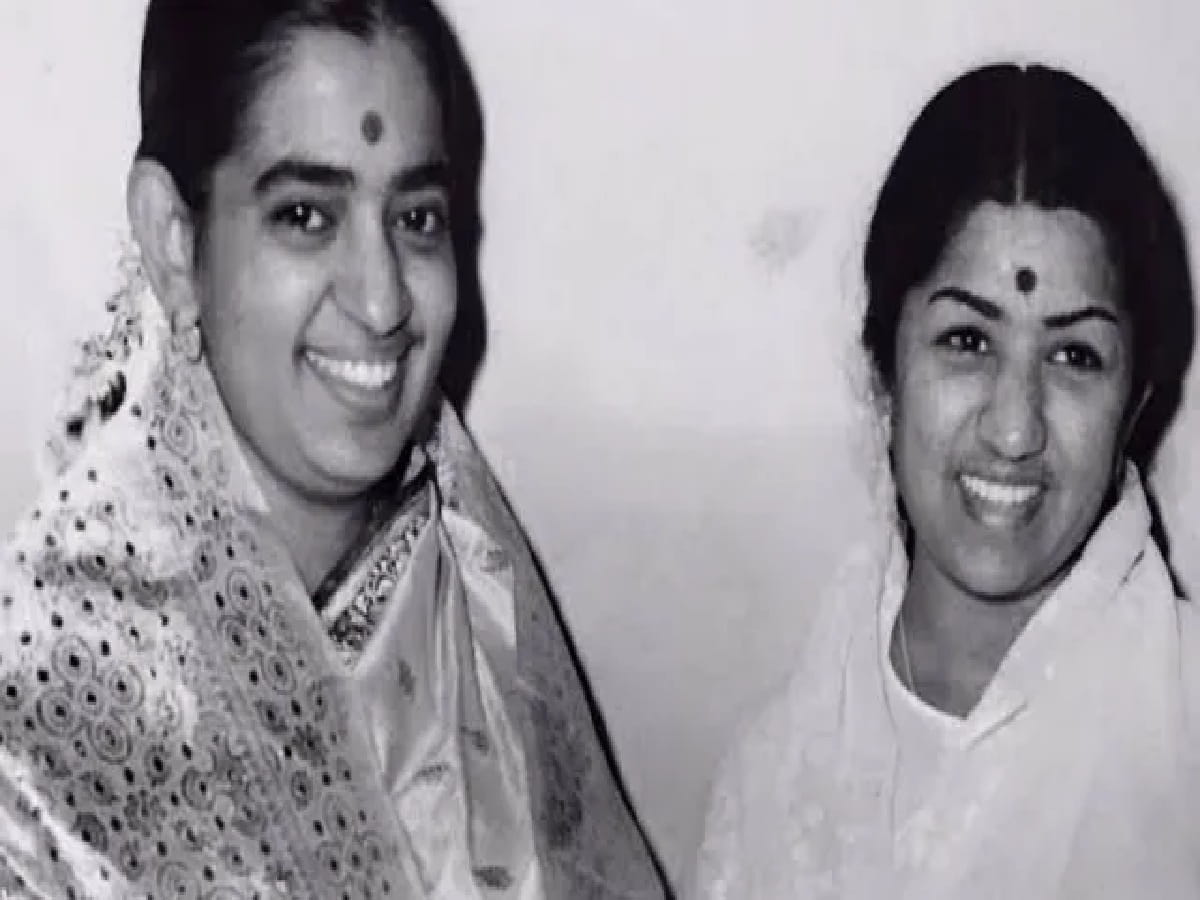
Beyond sharing a historic musical stature, P. Susheela and Lata Mangeshkar shared a deeply affectionate sisterly bond. Susheela always regarded Lata Didi as her elder sister, guru, and primary artistic inspiration. In fact, when a young P. Susheela appeared for her breakthrough audition in 1951, the song she chose to sing was Lata Mangeshkar’s immortal classic "Mohe Bhool Gaye Saawariya" from Baiju Bawra.
The admiration was entirely mutual. Lata Mangeshkar held Susheela’s artistry in the highest regard, famously maintaining a dedicated collection of P. Susheela’s Tamil melodies at her Mumbai residence and frequently praising her immaculate diction and tonal sweetness. Whenever the two legends met in Mumbai or Chennai, their warm camaraderie reflected the highest traditions of Indian musical fraternity.
Singing 40,000 Songs Across 12 Languages Without Knowing the Script
Perhaps the most astonishing facet of P. Susheela’s genius was her ability to master unfamiliar languages purely through ear, phonetic discipline, and musical devotion. Although Telugu was her mother tongue, Susheela never allowed linguistic boundaries to limit her artistry.
| P. Susheela Musical Milestone | Verified Career & Biographical Highlights |
| Full Name & Title | Pulapaka Susheela — revered as "Lata Mangeshkar of the South" & "Melody Queen" |
| Birthplace & Birthday | Born November 13, 1935, in Vizianagaram, Andhra Pradesh |
| Total Recorded Songs | Approximately 30,000 to 40,000 songs (Guinness World Record & Asia Book of Records honoree) |
| 12+ Languages Sung In | Telugu, Tamil, Kannada, Malayalam, Hindi, Bengali, Odia, Sanskrit, Tulu, Punjabi, Sinhala, Badaga |
| 1951 Audition Song | Sang Lata Mangeshkar's "Mohe Bhool Gaye Saawariya" |
| Major National Honors | Padma Bhushan and 5 National Film Awards for Best Female Playback Singer |
With meticulous phonetic precision, she recorded thousands of chart-topping tracks in Tamil, Kannada, Malayalam, Hindi, Bengali, Odia, Sanskrit, Tulu, Punjabi, and even Sinhala—capturing regional accents so authentically that native speakers across states assumed she was fluent in their language. Anchored by humility, discipline, and timeless grace, P. Susheela’s monumental body of work continues to inspire vocalists and listeners across India and around the world.




