







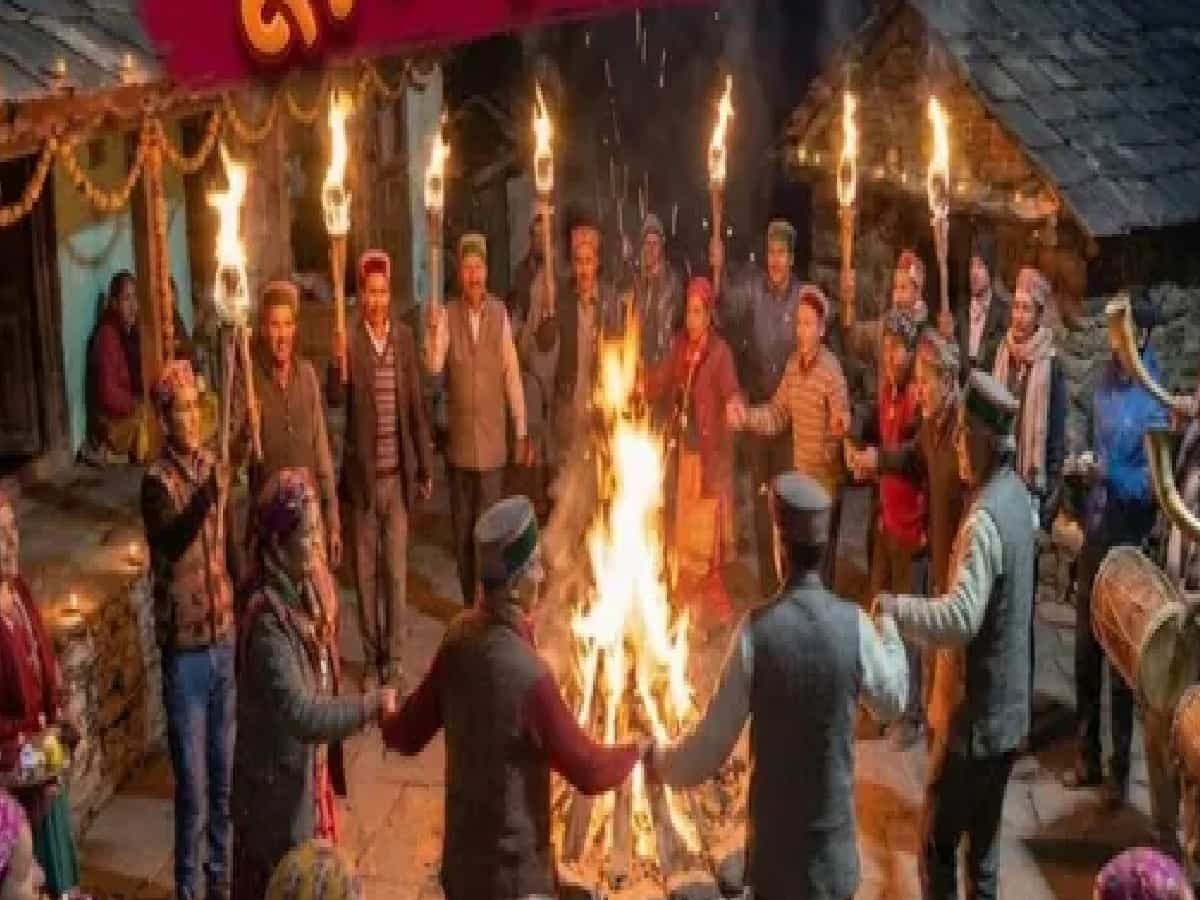
Budhi Diwali 2026: Why Uttarakhand Celebrates Diwali a Month Later
While the rest of India packed away its festive lanterns weeks ago, vibrant drums, glowing pinewood torches, and centuries-old folk dances are illuminating the Himalayan valleys of Uttarakhand as communities celebrate Budhi Diwali—also locally revered across Garhwal and Kumaon as Igas or Bagwal. Observed across the mountainous districts of Jaunsar-Bawar (Dehradun), Uttarkashi, Tehri Garhwal, Chamoli, Rudraprayag, and Pauri Garhwal, this unique four-day cultural festival takes place roughly a month after the main Diwali (and in several Garhwali belts, eleven days after Kartik Amavasya on Haribodhini Ekadashi). Deeply rooted in oral folklore from the Ramayana era, Budhi Diwali—literally translating to "Old Diwali"—stands as a living testament to mountain resilience, community solidarity, and unwavering devotion to Lord Shri Ram. For readers across Dehradun, Rishikesh, Haridwar, Mussoorie, Nainital, Lucknow, New Delhi, and Ayodhya, understanding this cherished Himalayan tradition reveals how geography shaped some of India’s most enduring religious customs.
Why Is Budhi Diwali Celebrated a Month After Diwali in Uttarakhand
According to age-old mythological lore preserved across Uttarakhand’s hill villages, the origins of Budhi Diwali trace directly back to the Treta Yuga and the conclusion of the Ramayana. In ancient times, long before roads, telegraphs, or modern communication networks connected the rugged Himalayan terrain with the Gangetic plains, news traveled solely on foot through treacherous mountain passes.
When Lord Shri Ram defeated Ravana in Lanka and returned triumphantly to Ayodhya alongside Goddess Sita and Lakshman, the plains erupted in joyous lamp-lighting on Kartik Amavasya. However, messengers carrying that sacred news took nearly a month to traverse the steep Himalayan valleys and reach remote mountain settlements. By the time hill villagers learned of Lord Rama’s homecoming, mainstream Diwali festivities across the rest of the country had already ended. Rather than feeling left behind, devout mountain communities declared the very day they received the news to be their true festival of lights—lighting earthen lamps, beating traditional drums, and celebrating with boundless fervor. Over generations, because the celebration arrived later than the main festival, it affectionately came to be known as "Budhi Diwali" (Old Diwali).
When Is Budhi Diwali Celebrated and How Long Does It Last
Depending on local regional customs across the Garhwal and Jaunsar-Bawar belts, Budhi Diwali is observed either eleven days after main Diwali (coinciding with Haribodhini Ekadashi, locally called Igas-Bagwal) or exactly one lunar month later on Margashirsha Amavasya (observed widely across Jaunsar-Bawar and parts of Uttarkashi and Himachal’s Sirmaur belt). Regardless of the exact regional calendar date, the festival unfolds across four deeply symbolic days:
| Festival Feature | Traditional Significance in Uttarakhand Hills |
| Primary Regions | Jaunsar-Bawar (Dehradun), Uttarkashi, Tehri Garhwal, Chamoli, Rudraprayag, Pauri Garhwal |
| Timing & Duration | Celebrated 1 month after Diwali (Margashirsha Amavasya) or 11 days later (Igas); spans 4 days |
| Mythological Link | Commemorates the delayed arrival of news in the Himalayas regarding Lord Rama's return to Ayodhya |
| Signature Rituals | Lighting Bhelo (pinewood fire torches), Dhol-Damau beats, Raso and Harul folk dances, and festive feasts |
| Traditional Delicacies | Arsa, Swale, Pakode, Urad dal dishes, and locally harvested Himalayan grains |
How Do Hill Communities Celebrate Budhi Diwali? Torches, Dhol-Damau, and Folk Dances
Unlike the firecracker-heavy celebrations common in urban centers, Budhi Diwali is an eco-rooted, communal celebration revolving around firelight, rhythm, and togetherness. After dusk falls over the mountain ridges, villagers gather in central courtyards carrying Bhelo—special flaming torches crafted from resin-rich dry pinewood (chilla or deodar) tied to sturdy ropes—and twirl them through the crisp night air in mesmerizing circles of fire.
Accompanied by the resonant beats of traditional Himalayan instruments like Dhol, Damau, and Ransingha, men and women dressed in traditional woolen attire perform ancient circle dances such as Harul, Raso, Tandi, and Jhora, singing ballads recounting Lord Rama’s victory and ancestral valor. Families also prepare traditional mountain delicacies like Arsa (sweet rice-and-jaggery fritters), Swale, and Urad dal specialties, sharing meals across households to reinforce social harmony before the peak Himalayan winter sets in.




