







Chhath Puja 2026: Story of King Priyamvad and How the Tradition Began
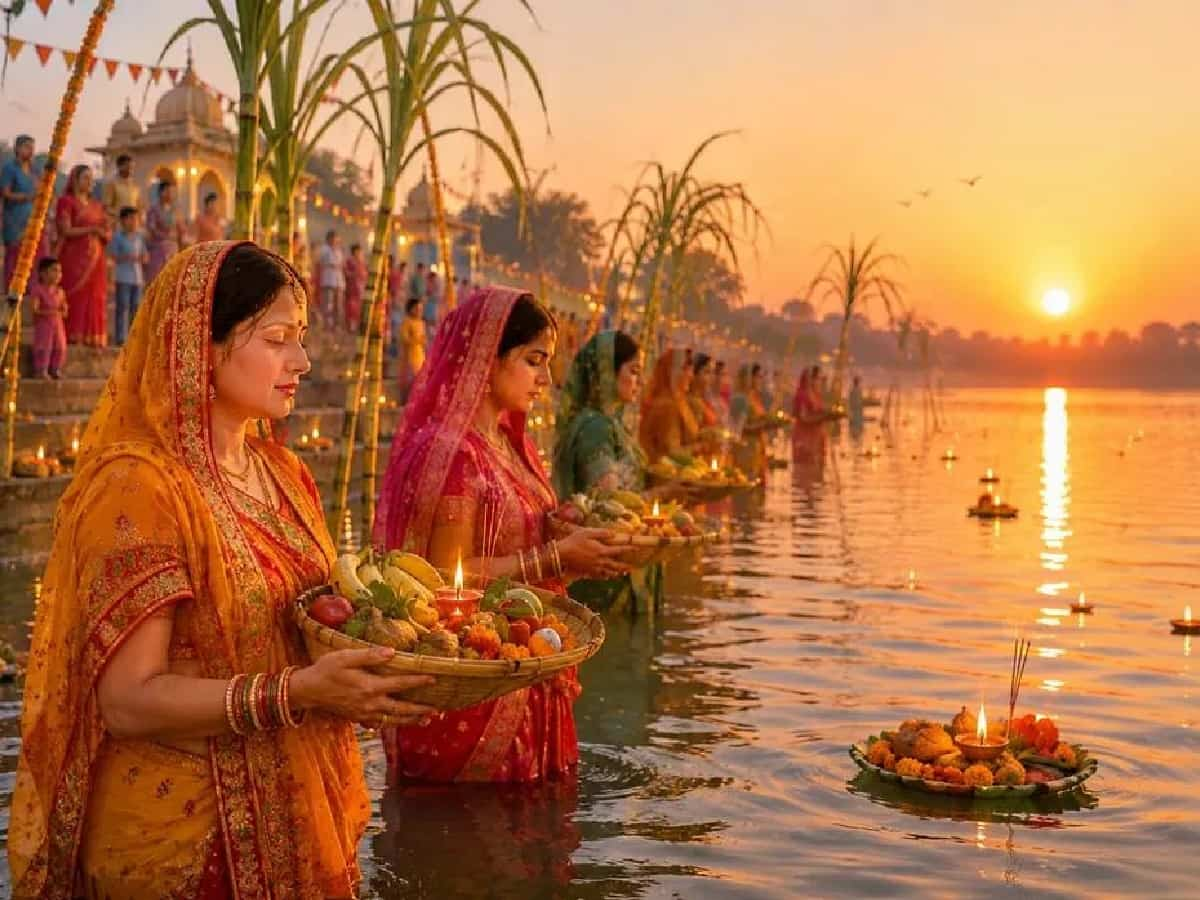
Devotion, folk melodies, and sacred riverbanks are coming alive across India today—Saturday, November 14, 2026—as millions of devotees observe Kharna (Lohanda), the second day of the four-day Chhath Mahaparva. Following yesterday’s purification ritual of Nahay Khay on November 13, vratis (fasting devotees) will partake of sacred gur kheer (jaggery-rice pudding) and roti after sunset this evening before beginning their rigorous 36-hour Nirjala (waterless) fast. The spiritual observance will culminate with Sandhya Arghya to the setting Sun on Sunday, November 15, followed by Usha Arghya to the rising Sun and Parana on the morning of Monday, November 16, 2026. Across Patna, Gaya, Muzaffarpur, Ranchi, Varanasi, Gorakhpur, Lucknow, Ayodhya, New Delhi-NCR, Kolkata, and Mumbai, families gather at river ghats and ponds praying to Lord Surya and Chhathi Maiya for the long life, health, and prosperity of their children. Yet behind this ancient festival lies a deeply moving Puranic story explaining how Chhath Puja began—and why King Priyamvad nearly sacrificed his own life in grief.
How Did Chhath Puja Begin? The Story of King Priyamvad and Queen Malini
According to sacred Hindu scriptures—specifically the Prakriti Khanda of the Brahmavaivarta Purana—the origin of Chhath Puja is tied to an ancient ruler named King Priyamvad (also revered as Priyavrata) and his queen, Malini. Despite possessing immense royal wealth and virtue, the couple remained childless for many years, casting a shadow of deep sorrow over their palace.
Seeking spiritual guidance, King Priyamvad and Queen Malini approached Maharishi Kashyapa and shared their anguish. Moved by their sincerity, Maharishi Kashyapa advised them to perform a sacred Putreshti Yajna (fire sacrifice) to invoke divine blessings for progeny. Following the sage’s instructions, the royal couple completed the yajna with full devotion, and in due course, Queen Malini conceived. However, joy turned instantaneously into tragedy when the queen gave birth to a stillborn son.
Why King Priyamvad Decided to Sacrifice His Life—and How Chhathi Maiya Appeared
Overwhelmed by unbearable grief at holding his lifeless newborn, a heartbroken King Priyamvad carried the child’s body to the cremation ground and resolved to end his own life rather than live without his son. At that exact moment of despair, a radiant celestial goddess descended in a luminous chariot and stopped the king.
| Chhath Puja 2026 Four-Day Schedule & Key Legends | Verified Calendar & Scriptural Details |
| Day 1: Nahay Khay | Friday, November 13, 2026 — Holy bath and single sattvik meal (lauki-bhat) |
| Day 2: Kharna (Lohanda) | Saturday, November 14, 2026 — Evening gur kheer prasad; 36-hour Nirjala fast begins |
| Day 3: Sandhya Arghya | Sunday, November 15, 2026 — Evening Arghya offered to the setting Sun at river ghats |
| Day 4: Usha Arghya & Parana | Monday, November 16, 2026 — Morning Arghya to the rising Sun; fast concludes |
| Primary Puranic Origin | Brahmavaivarta Purana (Prakriti Khanda) — King Priyamvad, Queen Malini, and Goddess Shashthi (Devasena) |
| Mahabharata & Ramayana Links | Worship of Lord Surya by Suryaputra Karna, Draupadi & Pandavas, and Goddess Sita |
The divine figure revealed herself as Goddess Devasena, explaining that she was manifested from the sixth part (shashtha amsha) of Mula Prakriti (primordial cosmic nature)—which is why she is revered across the universe as Shashthi or Chhathi Maiya, the eternal guardian and protector of all children. Touching the lifeless infant, Goddess Shashthi miraculously restored the child to life and instructed King Priyamvad to worship her with pure devotion on the sixth lunar day (Shashthi) and spread her reverence among his subjects. Overjoyed, the king performed the sacred rituals on Kartik Shukla Shashthi, establishing the enduring tradition of Chhath Puja for the health and longevity of children.
Who Worshipped the Sun God During the Mahabharata and Ramayana Eras
Alongside the Puranic account of King Priyamvad, India’s two great epics—the Mahabharata and the Ramayana—highlight the spiritual power of Surya worship during Chhath. During the Mahabharata era, Suryaputra Karna (the son of Lord Surya and Kunti) stood waist-deep in river water every morning to offer Arghya and prayers to the Sun God—a daily discipline credited with blessing him with unmatched valor and generosity.
Similarly, after the Pandavas lost their entire kingdom in the game of dice and endured forest exile, Draupadi observed the strict Chhath fast on the counsel of royal priest Maharishi Dhaumya. Scriptural tradition holds that by the grace of Lord Surya and Chhathi Maiya, the Pandavas overcame their adversity and reclaimed their lost kingdom. Folk traditions across Bihar and Uttar Pradesh also recall Goddess Sita performing Surya Shashthi rituals along the Sarayu riverbank after returning to Ayodhya with Lord Rama—cementing Chhath Puja as one of India’s purest festivals of gratitude, nature worship, and family devotion.




