
 desk
desk Share
Share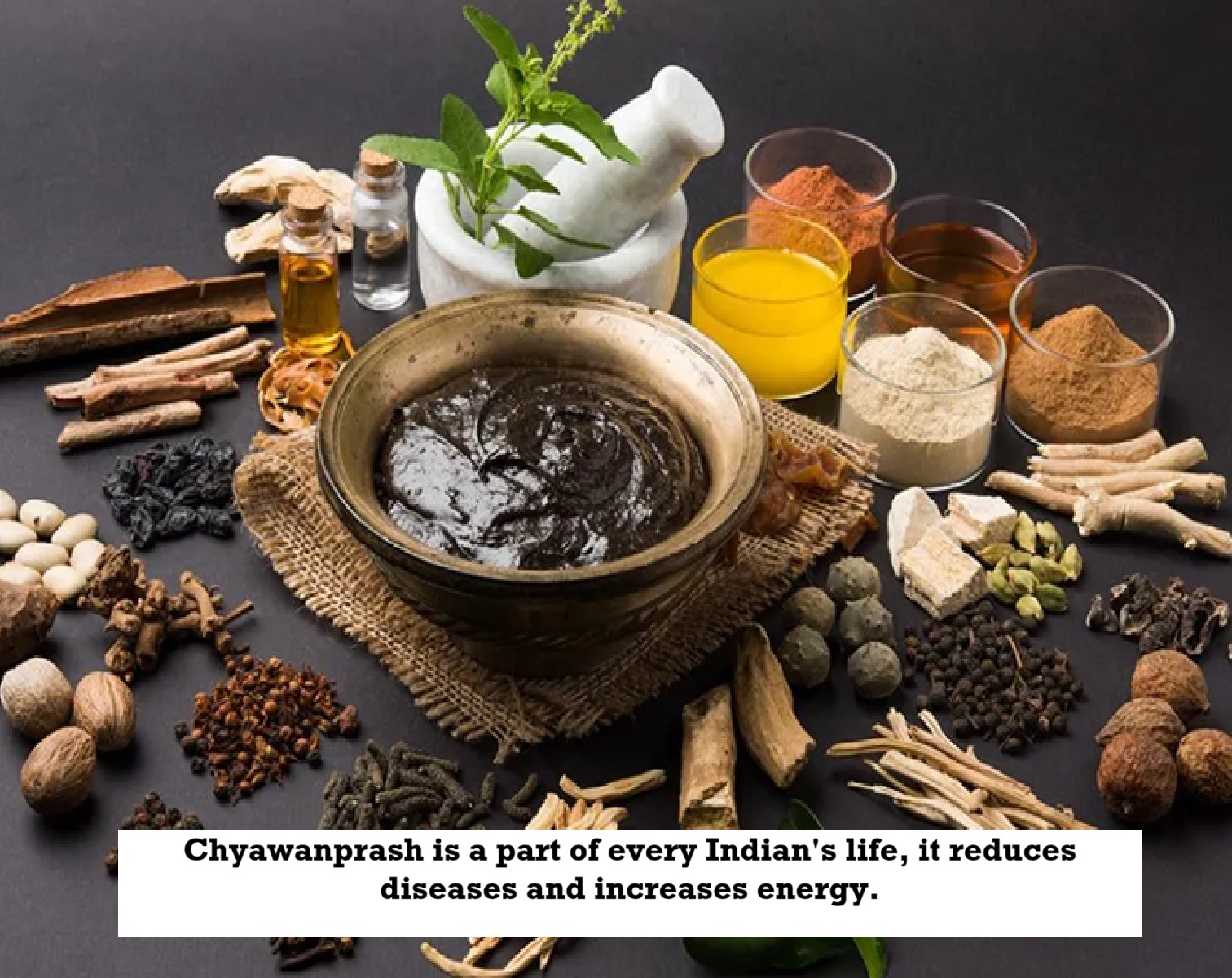
News Topical, Digital Desk : Colds and coughs, or weakened immunity, are no longer exclusive to any particular age group. Children, the elderly, and young people are affected. Weather changes and increasing pollution have made people more conscious about consuming a healthy and nutritious diet. People are now aware of the best foods for their bodies. Respiratory problems increase during the winter season. Decreased energy and stamina are common. Digestive and heart problems are also a constant source of concern. Therefore, our attention turns to Chyawanprash, a herbal preparation made from several important herbs, because its anti-aging effects and abundant vitamins, minerals, and antioxidants help keep us at bay.
Chyawanprash is a dietary supplement used since ancient times. It is a blessing from the Rig Veda and also our heritage. It is a panacea for a variety of health problems, from aging to cough and common cold. It fills life with enthusiasm by increasing strength, stamina and vitality. Traditional Ayurvedic practitioners call Chyawanprash the “Ageless Wonder”. According to Charaka Samhita, “It is the best Rasayana, beneficial in curing cough, asthma and other respiratory diseases. It nourishes weak and deteriorating tissues. It is an anti-aging supplement that increases strength and energy.”
Chyawanprash helps balance the three doshas—vata, pitta, and kapha. This means that the body's humors/bioenergies regulate the body's structure and biofunction. It's important to note that the specific effects of herbs in Ayurveda have been well recognized for micro- and macronutrient supplements, as well as for metabolic and tissue nutrition, which is why we have been benefiting from them for years. Today, this Ayurvedic and scientific research on herbs is reflected in Dabur Chyawanprash. It is an Ayurvedic daily health supplement rich in nutrient-rich herbs and minerals. It has been a part of every Indian's life for years, helping to prevent illnesses like colds and coughs, boosting energy, and possessing natural anti-aging properties.
Creating herbal formulations requires extensive research and experience. Because isolating, identifying, and quantifying components is impossible without technology and innovation. The entire Dabur Chyawanprash process is based on scientific research. Amla, a major component of the Chyawanprash composition, is rich in gallic acid and polyphenols. The phenolic compounds in this composition have antioxidant properties, contributing to Chyawanprash's rejuvenating and tonic properties.
Chyawanprash boosts our immune system, which is its primary benefit. However, antibodies play a key role in this. While immunoglobulin antibodies fight pathogens, IgG antibodies are the most abundant type of antibody in the body, found in blood and other body fluids. They provide long-term protection against infection and can cross the placenta to protect the fetus. IgE antibodies are associated with allergic reactions. When the body is exposed to an allergen, IgE antibodies bind to mast cells, releasing chemicals (such as histamine) that cause allergic symptoms. Studies have shown that increased IgG and IgM levels and decreased IgE levels reduce histamine, indicating immunostimulatory effects. An experimental study showed that Dabur Chyawanprash pretreatment with allergens and ovalbumin significantly reduced plasma histamine levels and serum immunoglobulin E (IgE) release, indicating its antiallergic potential.
Dabur Chyawanprash is a unique, balanced formula that combines Ayurvedic and modern methods to create a formula that is both safe and effective. The botanical extracts used in Chyawanprash provide numerous phytonutrients, specifically gallic acid, flavonoids, alkaloids, piperine, and tannins from amla (the main ingredient), along with 40+ other herbs used as extracts in Chyawanprash. It also contains cow ghee and sesame oil, known as yamakadravya in Ayurveda. It also contains aromatic botanical powder, a prasheshadravya, containing ingredients like pippali, nagkesar, cardamom, tamaalpatra, and dalchini.
Read More: Why do you feel sleepy again and again after lunch, is this a symptom of some disease?
--Advertisement--


