







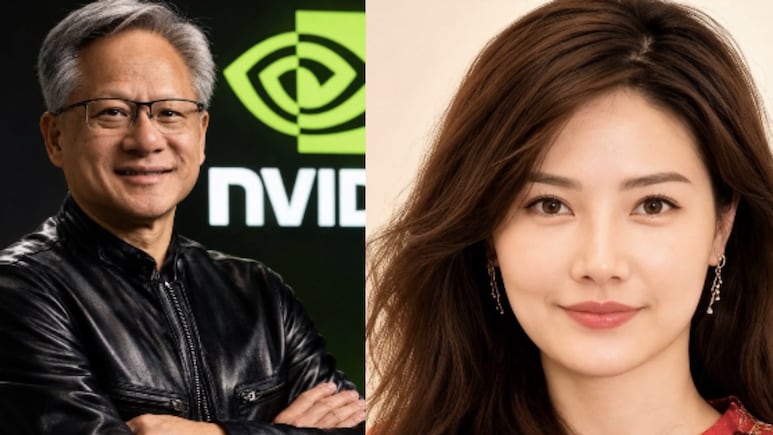
Who Is Alice Huang? The Ex-Journalist at Center of Nvidia Storm
The global technology and intelligence sectors have been thrown into a state of intense turbulence following explosive disclosures linking semiconductor titan Nvidia (NASDAQ: NVDA) CEO Jensen Huang to a high-profile corporate and geopolitical controversy. At the center of this storm is Alice Huang (also known as Huang Le), a Chinese businesswoman whose unusual career trajectory has suddenly captured international media attention. Moving from state-affiliated media and high-end private banking into the sensitive realm of artificial intelligence infrastructure, her interactions with one of the most powerful technology executives on earth have triggered independent board investigations and US congressional inquiries.
From State Television Reporter to Private Banking Elite
Public records and investigative profiles indicate that Alice Huang’s career began in the media sector. Prior to transitioning into corporate finance and technology management, she reportedly worked as a television reporter and broadcaster, with database entries citing stints at state-backed entities including China Central Television (CCTV) and Hunan TV. Following her media background, she transitioned into corporate finance and wealth management. Reports indicate she served in private banking capacities, including acting as an assistant to the president of HSBC's private banking division, before moving into securities and fund management roles with firms such as CITIC Securities and Shanghai Hexi Investment Management.
Transition to AI Infrastructure and Megaspeed
Alice Huang’s entry into the high-stakes world of semiconductor supply chains came through her association with Megaspeed, a Singapore-registered cloud computing and data center infrastructure provider. Corporate filing histories indicate she served as a managing director during the company's early restructuring phases before ownership shifts redirected the firm's administrative controls. Crucially, Megaspeed emerged as a prominent corporate client purchasing large volumes of advanced Nvidia processors. Under strict United States export control frameworks governing high-performance AI accelerators destined for international buyers, multi-billion-dollar transactions involving firms with complex regional ownership structures immediately draw intense scrutiny from trade regulators and intelligence monitors.
High-Profile Encounters and Intelligence Scrutiny
International media reports, citing US intelligence assessments, detailed how intelligence agencies monitored Alice Huang over concerns regarding her access to Jensen Huang and her potential to gather strategic insights into Nvidia's chip allocation strategies and policy lobbying. Public interest skyrocketed when photographs and video footage emerged capturing the pair at major technology gatherings in Taipei, including industry banquets during Computex. The images and subsequent intelligence memos detailing a personal relationship prompted Nvidia’s board to launch an independent legal investigation. Addressing employees directly, Jensen Huang acknowledged personal unfaithfulness and expressed deep remorse, though he and the board maintained that no confidential corporate secrets or national security parameters were compromised.
Geopolitical Fallout and the Future of Tech Governance
The unfolding situation surrounding Alice Huang highlights the delicate intersection of personal conduct, corporate governance, and geopolitical rivalry in the era of artificial intelligence. As regulatory bodies and congressional committees review chip distribution transparency and executive compliance, the episode serves as a watershed moment for Big Tech. For market observers and global investors tracking international equity markets, the narrative underscores how non-financial entanglements can rapidly evolve into systemic corporate risks, reshaping how technology giants manage executive oversight and security compliance worldwide.




