
 desk
desk Share
Share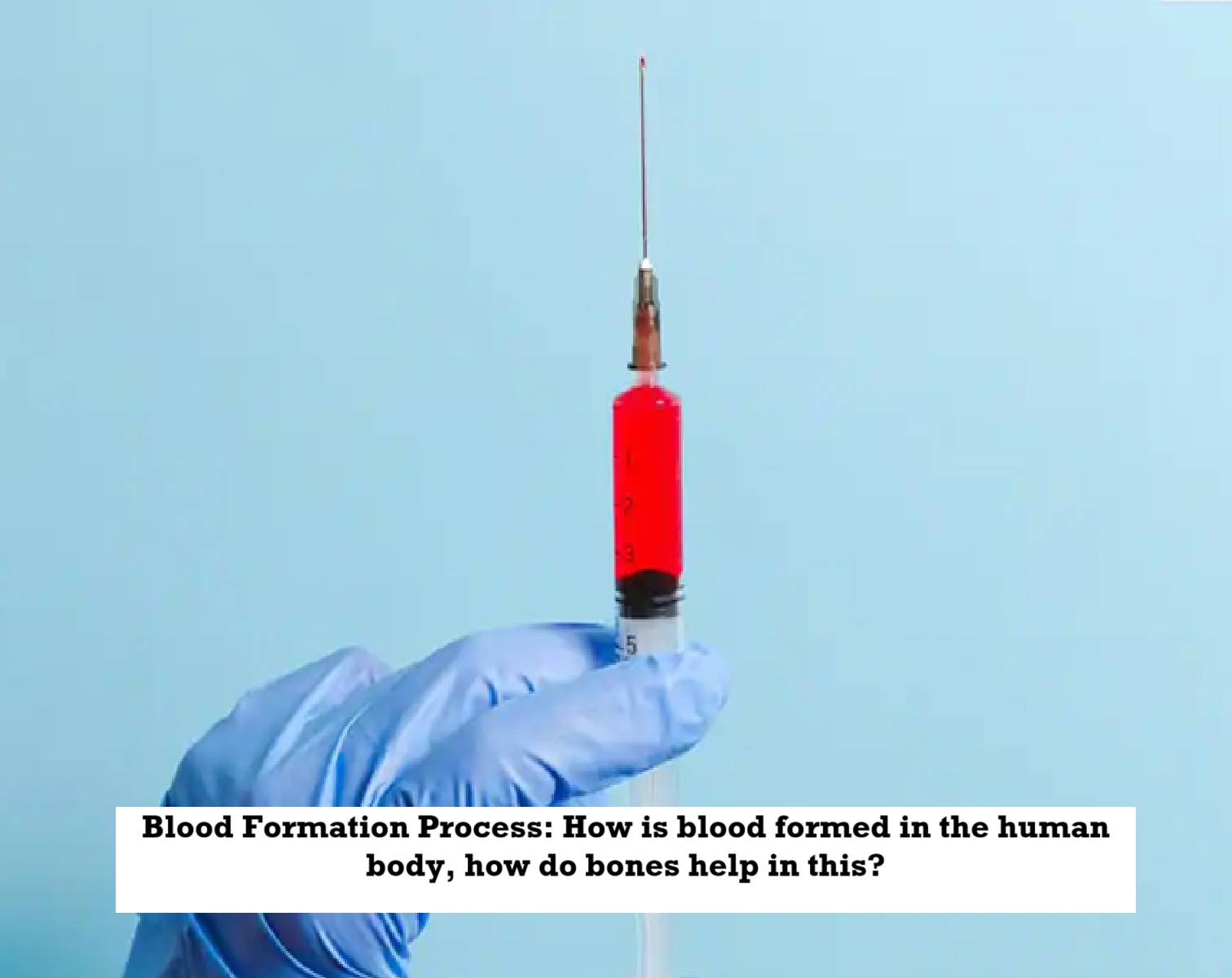
News Topical, Digital Desk : How Blood Is Formed In The Body: Everyone knows that our bodies contain blood. But many people don't know where this blood is formed or where it comes from. Blood formation in our bodies begins in the bone marrow, a soft, spongy substance that fills the center of the bones. This is where approximately 95 percent of the body's blood cells are formed. As we grow older, most of the bone marrow is found in our hip bones, chest bones, and spine. Other organs in the body also play an important role in maintaining blood cell balance; these include the lymph nodes, spleen, and liver. These organs together determine how many blood cells will be formed at a given time, when they will break down, and when they will transform into specific types of cells.
All blood cells formed in the bone marrow begin as stem cells. These stem cells gradually develop into different types of cells, including red blood cells, white blood cells, and platelets. When they are in their incomplete form, they are called blasts. Some blasts remain in the bone marrow and develop further, while others travel to different parts of the body to become fully developed cells.
What is the function of each blood cell?
Red blood cells : Their primary function is to transport oxygen from the lungs to the rest of the body and to return carbon dioxide produced in the body to the lungs. The protein hemoglobin present in these cells facilitates this process.
White blood cells : Their job is to protect the body from infection. They include several types of cells, such as neutrophils, eosinophils, lymphocytes, monocytes, and basophils. Each type of cell specializes in fighting a specific type of infection.
Additionally, platelets help clot blood in the body, preventing bleeding from an injury. If any of these three is deficient, symptoms begin to appear.
What is blood?
Blood is the life-sustaining fluid that flows continuously through blood vessels throughout the body. These vessels are of three types: arteries, veins, and lyre. Blood circulates through these pathways throughout the body, delivering oxygen, nutrients, and essential nutrients and eliminating waste products.
Read More: Why do you feel sleepy again and again after lunch, is this a symptom of some disease?
--Advertisement--


