desk
desk Share
Share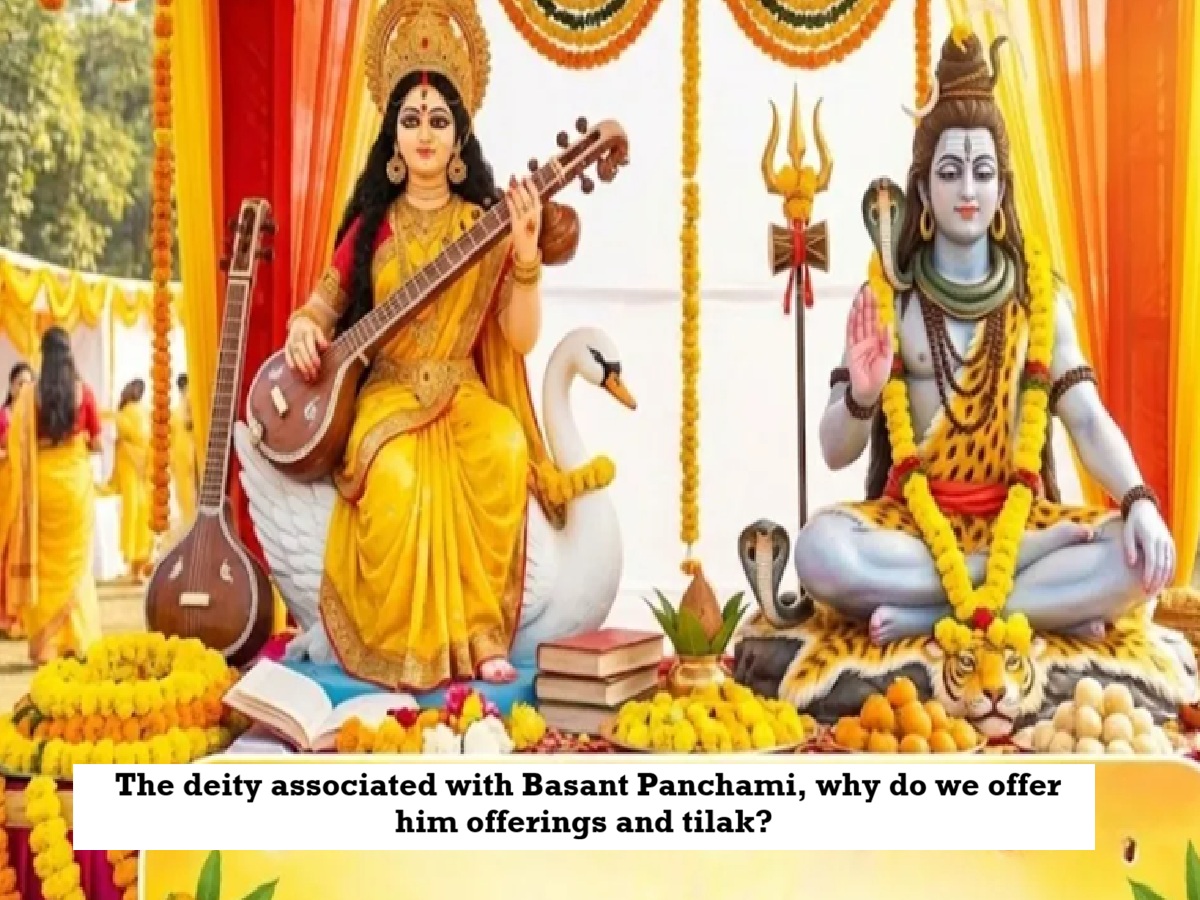
News Topical, Digital Desk : The mention of Vasant Panchami usually conjures up images of yellow clothes, blooming mustard seeds, and Goddess Saraswati, the goddess of learning. But did you know that the wedding rituals of Lord Shiva also begin on this day? Yes, in many parts of the world, including Kashi, the city of religion and faith, the festival of Vasant Panchami is celebrated as the 'Tilak' festival of Lord Shiva. Let's explore this special tradition and the religious beliefs behind it.
The arrival of Mahashivratri and the Tilak of Mahadev
The "tilak" (a mark of the tilak) holds great significance in wedding rituals. According to mythological texts and the Shiva Purana, Lord Shiva and Goddess Parvati were married on Mahashivratri . Just as tilak is applied a few days before weddings, the Tilak festival for Mahadev is celebrated on Vasant Panchami.
In the holy city of Kashi (Varanasi), this tradition has been going on for centuries. Elders and scholars there say that on this day, devotees adorn their beloved Lord Shiva like a groom. He is offered sandalwood, turmeric, and gulal. This symbolizes that the recluse Shiva is now preparing to become the groom, and the countdown to the greatest wedding in the universe has begun.
Malpua is offered to Lord Shiva.
Another unique ritual on this day is offering saffron malpuas to Lord Shiva. According to traditions at local monasteries and temples, sweet malpuas are offered to Lord Shiva to celebrate the arrival of spring and the tilak (anointment mark) to Lord Shiva. This offering not only symbolizes devotion, but also reflects the changes in food and drink that come with the changing seasons. In many areas, the Holi pole is also erected on this day, signaling that the joyous festival of spring and color is just days away.
What is the spiritual significance of this festival?
Vasant Panchami is a festival celebrating the adornment of nature. Applying a tilak to Mahadev on this day signifies that the god of detachment also participates in the celebration of nature and love. This tradition fills devotees with joy and happiness and mentally prepares them for the upcoming grand festival of Mahashivratri.
--Advertisement--