US House Clears Russia Sanctions Bill: 100% Tariff Threat Looms Over India’s Discounted Oil Imports
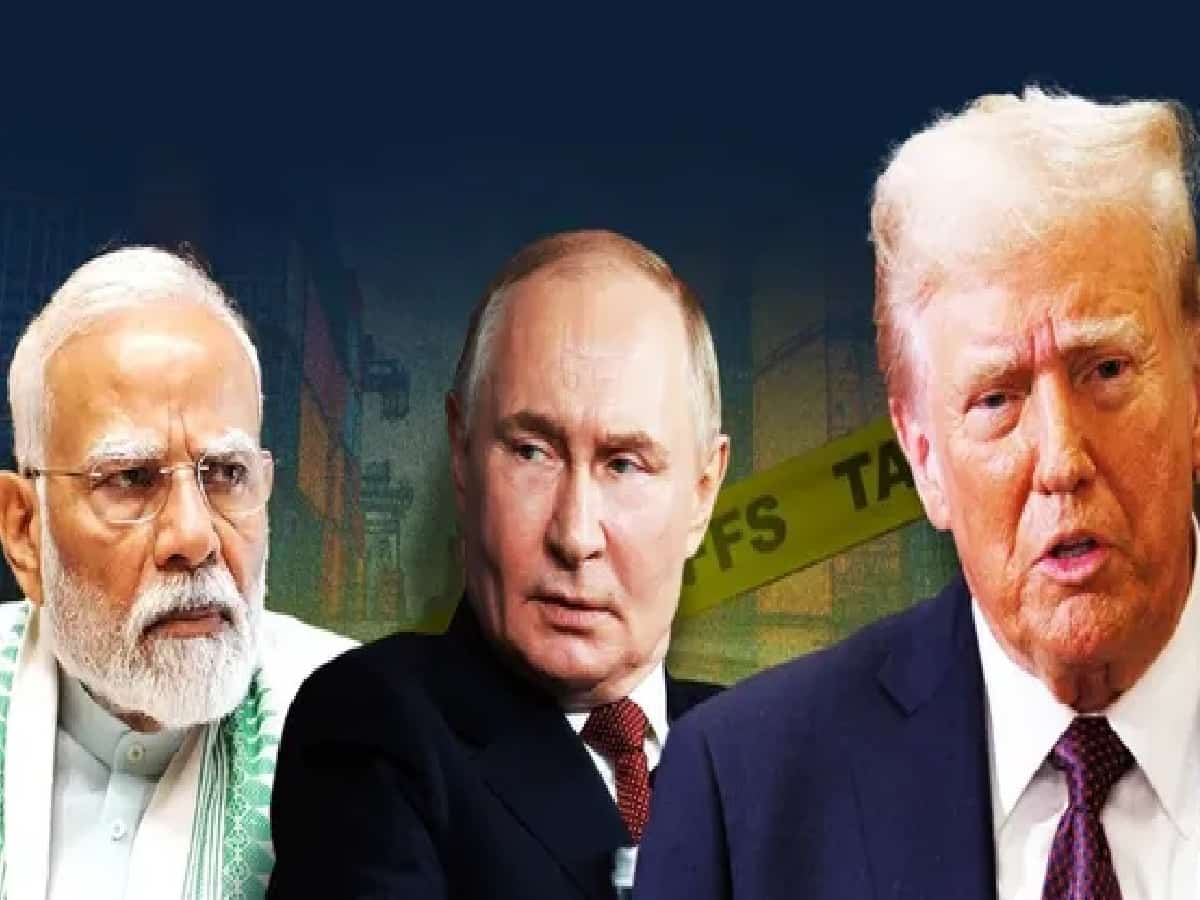
The robust bilateral trade and energy partnership between New Delhi and Moscow has ignited another intense legislative storm inside Capitol Hill. The United States House of Representatives has officially passed a sweeping and aggressive legislative measure titled "The Lindsey O. Graham Sanctioning Russia and Iran Act of 2026." Following prior clearance in the Senate, the lower chamber approved the legislation by a decisive 262–159 bipartisan majority. The statutory bill now lands directly on the Oval Office desk of President Donald Trump for his final signature into federal law. Aimed primarily at dismantling the Russian Federation's wartime economic infrastructure, the enactment hands the executive sweeping authority to penalize third-party nations purchasing Russian crude, positioning India at the center of potential trade retaliation.
Dismantling War Machine and the Steny Hoyer Amendment Naming India
The foundational objective of the Graham Act centers on crippling the Kremlin's revenue machinery, targeting its top leadership, domestic energy extraction conglomerates, and the shadow tanker fleet used to bypass Western price caps. However, the legislation gained sharp teeth through a crucial amendment introduced by senior Democratic Congressman Steny Hoyer. The Hoyer amendment explicitly designates ten sovereign nations—India, China, the United Arab Emirates, Turkey, Singapore, Azerbaijan, Kazakhstan, Hungary, Kyrgyzstan, and Slovakia. Under this statutory clause, should these specified countries persist in importing Russian crude oil and natural gas, the US President is granted broad legal authority to slap punitive import tariffs of up to 100 percent against goods originating from those jurisdictions.
India's Energy Security Calculus: Soaring Crude Imports Face Tariff Pressure
The impending legislation poses serious friction points for India’s macroscopic energy security and inflation dynamics. Following the onset of the Ukraine war in 2022, Indian state-owned and private refiners recalibrated their crude procurement, purchasing discounted Russian Urals to protect domestic consumers from global price volatility. In April, amid severe maritime disruptions tied to regional Middle Eastern flare-ups, India's intake of Russian crude climbed to an eleven-month peak. If the White House moves forward with statutory enforcement by levying tariffs reaching up to 100 percent on Indian goods entering the United States, importing discounted Russian barrels would become an economically unviable trade calculation for New Delhi, threatening to raise refining overhead and trigger cascading domestic fuel price pressures.
Economic Headwinds and Escalating Friction in Indo-US Strategic Ties
Leading macroeconomic forecasters and global credit rating agencies warn that enacting triple-digit tariffs would inject deep volatility into international commerce and dent India’s export momentum. Bilateral commercial relations between Washington and New Delhi are already navigating sensitive ground under the Trump administration. In August of last year, Washington slapped extra levies on Indian consignments over Russian energy purchases—duties that were temporarily repealed only in February 2026. Furthermore, Indian exporters currently absorb a 10 percent penalty tariff tied to regulatory disagreements over labor compliance in supply chains. If the full 100 percent Graham Act duties are greenlit, it would represent the largest unilateral trade penalty levied against India during Trump’s presidency, complicating defense and diplomatic alignment across the Quad.
Executive Discretion: Trump Holds Final Veto as Capitol Hill Debates Presidential Power
Congressional passage of the sanctions framework does not trigger automatic, blanket tariffs on Indian shipments; the statute is structured as discretionary presidential authority. Whether the administration chooses to impose maximum penalties, offer negotiated waivers, or selectively wield the threat as leverage rests solely with Donald Trump. The legislation itself cleared Capitol Hill amid fierce partisan disagreements regarding executive overreach. Proponents argued that shutting down crude revenues from heavy buyers like India and China is essential to enforce the Ukraine peace framework. Conversely, influential Democratic leaders, including House Minority Leader Hakeem Jeffries and Foreign Affairs Committee Ranking Member Gregory Meeks, voted against the bill, warning that handing a sitting president unfettered, unilateral taxation authority destabilizes multilateral trade treaties, disrupts vital allied relationships, and heightens global supply chain instability.