







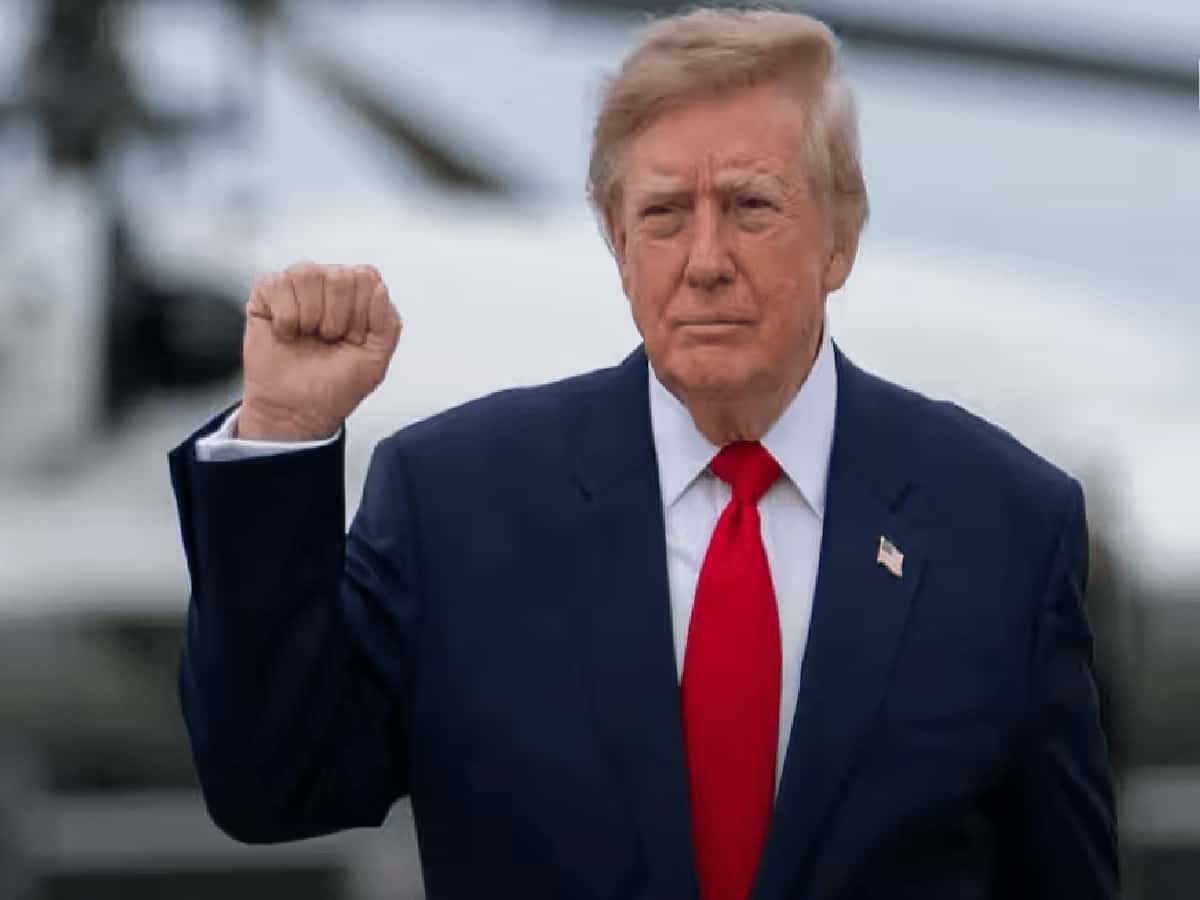
Trump Grants 60-Day Review Window on Russian Oil Tariffs: Marco Rubio Outlines Relief for India
In a significant diplomatic pause offering immediate breathing room to New Delhi, US President Donald Trump has decided to institute a 60-day review window before enforcing punitive secondary sanctions on Russia and slapping high-cost import tariffs on allied trading partners. US Secretary of State Marco Rubio clarified that the United States administration will use this two-month interval to thoroughly calculate the potential shocks these economic measures could inflict on both the American domestic economy and broader international markets. Because India relies heavily on discounted Russian crude supplies to satisfy its massive domestic fuel consumption, Washington's proposal to penalize third-party buyers had generated acute uncertainty across energy corridors, making this temporary suspension a pivotal strategic reprieve.
Why Immediate Russian Energy Cuts Are Unfeasible for India: Rubio's Pragmatic Assessment
The US State Department recognized that complex macroeconomic realities prevent sudden geopolitical pivots in global energy sourcing:
-
Navigating Heavy Energy Dependence: Acknowledging New Delhi's energy requirements, Secretary of State Marco Rubio admitted that while India has made concerted efforts to procure oil and natural gas from diverse global sources, abruptly halting imports from Russia remains practically impossible in the near term.
-
Valued Strategic Partnership: Rubio emphasized that India stands as an indispensable strategic partner and security ally of the United States, meaning diplomatic decisions regarding trade enforcement must evaluate real-world trade realities rather than relying on unilateral coercion.
-
Complex Transition Dynamics: The administration conceded that an overnight severance of Russian energy ties would spark immediate fuel shortfalls and severe inflationary spikes across emerging Asian economies.
Broad Macroeconomic Impact Assessment: Weighing Global Energy Balances and US Interests
The 60-day suspension is designed to give the White House time to model complex cross-border market ripples:
-
Assessing Multilateral Pressures: Washington’s ongoing evaluation looks beyond bilateral relations to study how sanctions against Russia and Iran intersect with regional conflicts and overall global petroleum availability.
-
Tailored Economic Considerations: Rubio noted that secondary trade decisions must take into account the distinct domestic circumstances, industrial constraints, and energy security requirements of individual partner countries.
-
Protecting the US Domestic Economy: A primary focus of the 60-day study is determining whether aggressive secondary tariffs on trade partners might backfire, causing supply disruptions and price shocks that could harm US commercial interests and consumer sentiment.
Strategic Stakes in Indo-US Relations: The Interim Nature of the 60-Day Waiver
While the pause provides crucial near-term certainty, long-term policy adjustments remain tied to Washington's upcoming review findings:
-
Deep-Rooted Bilateral Cooperation: India and the United States maintain expansive strategic partnerships spanning defense logistics, bilateral trade, technology sharing, and regional Indo-Pacific maritime security.
-
Energy Policy as a Bilateral Touchstone: How the White House handles third-party Russian energy trade will serve as an important bellwether for future commercial and diplomatic ties between Washington and New Delhi.
-
No Permanent Exemption Yet: Rubio cautioned that the 60-day evaluation does not constitute a permanent waiver from potential secondary tariffs or trade measures, with the ultimate policy roadmap resting on the final determinations and subsequent executive orders issued by the Trump administration.




