







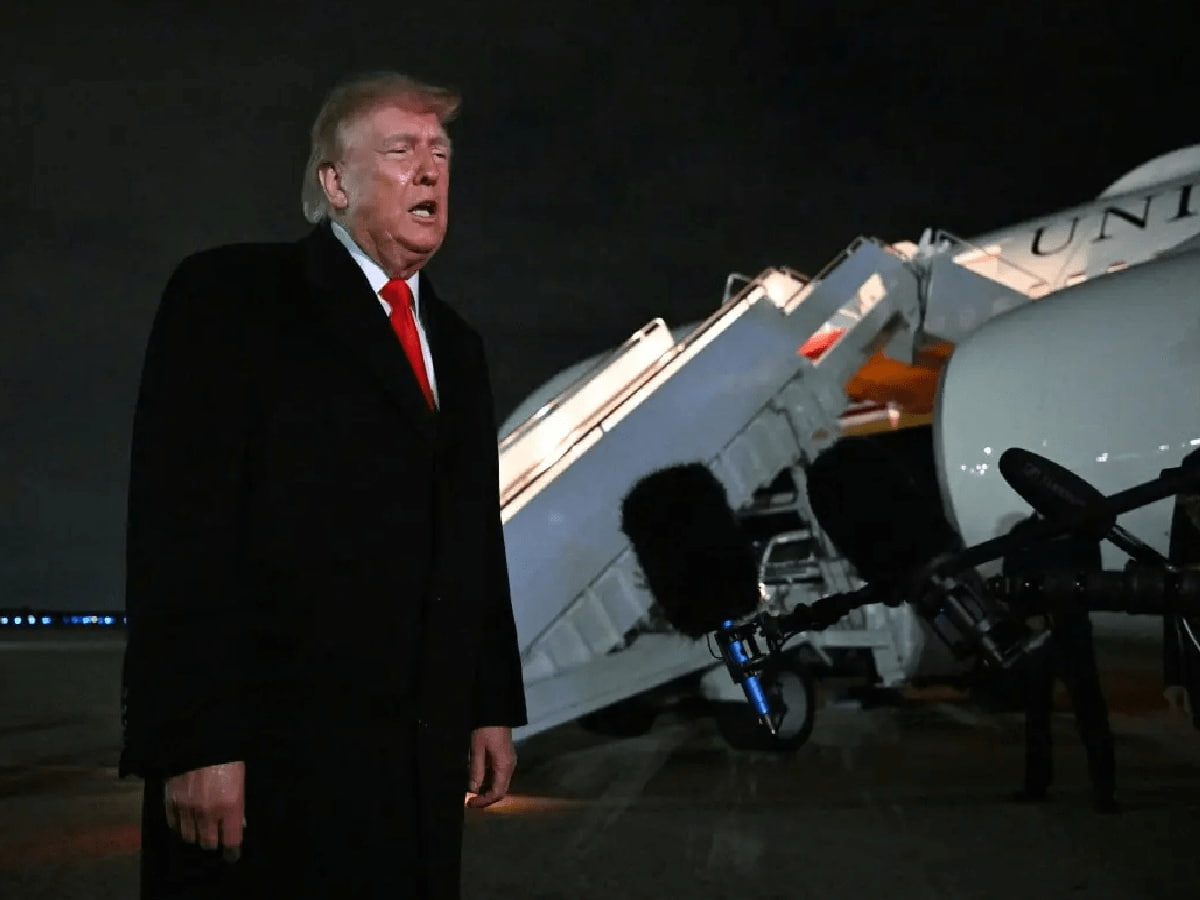
Trump Defends Kremlin Fuel Pact Amid Severe Bipartisan Backlash on Capitol Hill
In a dramatic policy shift that has ignited fierce political criticism across Washington, United States President Donald Trump mounted a vigorous defense of his recent agreement facilitating the release of Russian refined fuel into global supply chains. Facing scrutiny for previously rebuking nations like India for purchasing discounted Russian energy, Trump insisted on Tuesday that the United States is not directly consuming Russian petroleum products, but rather easing global shortages to stabilize soaring prices caused by Middle Eastern turmoil. The remarks come as the US Treasury Department granted a special temporary waiver facilitating the phased release of over 1.8 million tons of Russian diesel, sparking outrage among lawmakers on Capitol Hill who labeled the move a direct concession to Moscow.
Temporary Treasury Waiver: Phased Export of 1.8 Million Tons of Russian Fuel
The regulatory timeline and scale of the Russian diesel release have drawn intense market and political interest:
-
Staggered Shipment Quotas: Under the agreement finalized on October 9 following direct negotiations with Russian President Vladimir Putin, Moscow will release an initial 300,000 tons of diesel, followed by 500,000 tons in November, and an additional 1 million tons shortly thereafter.
-
Treasury General License Through 2027: To legally enable global maritime insurers, refiners, and shippers to handle the cargo, the US Treasury Department issued a targeted temporary waiver relaxing sanctions on Russian diesel shipments through April 7, 2027.
-
Market Calming Ahead of Midterms: Confronted by escalating retail fuel inflation triggered by refinery shutdowns and shipping disruptions around the Iran conflict, the administration aims to curb pump prices ahead of the critical November Congressional midterm elections.
Trump Pushes Back: 'Shutting Down Refineries Helps Nobody'
Addressing reporters in Washington, President Trump dismissed accusations of domestic hypocrisy and double standards:
-
Supplies Destined for Global Commons: Trump explicitly stated that the fuel cargoes are not landing on American shores, clarifying that the product is being released strictly into the broader international market to cool unsustainable price spikes.
-
Economic Rationale Over Sanctions: Trump defended the intervention by arguing that keeping functional diesel refining infrastructure idle during an international supply crunch damages global trade, maintaining that world markets required immediate volume injections.
-
The India Paradox: The move highlights a striking diplomatic contrast, given Washington's prior rhetoric cautioning New Delhi against acquiring Russian crude, even as the US executive branch now facilitates Moscow's refined fuel flows to ease international inflationary pressures.
'A Gift to Putin and Betrayal of Allies': Bipartisan Senators Demand Immediate Reversal
The White House initiative encountered swift condemnation from a coalition of influential Democratic and Republican lawmakers:
-
Joint Bipartisan Letter: A group of prominent US Senators—including Democrats Richard Blumenthal, Chris Coons, Dick Durbin, Jack Reed, Jeanne Shaheen, and Sheldon Whitehouse, alongside Republicans Mitch McConnell, Susan Collins, John Cornyn, Lisa Murkowski, Thom Tillis, and Alan Armstrong—demanded that Trump immediately rescind the agreement.
-
Gift to an Adversary: In a strongly worded joint memorandum, lawmakers characterized the October 9 deal as an unearned economic windfall for the Kremlin and an unprovoked betrayal of Western coalition partners that undermines American credibility.
-
Defiance of Sanctions Legislation: Lawmakers emphasized that the waiver directly contradicts the recently enacted Lindsey O. Graham Russia and Iran Sanctions Act of 2026, which granted the White House sweeping statutory powers to penalize Russian energy transactions and levy punitive tariffs on major trade facilitators like China and India to enforce diplomatic leverage.




