







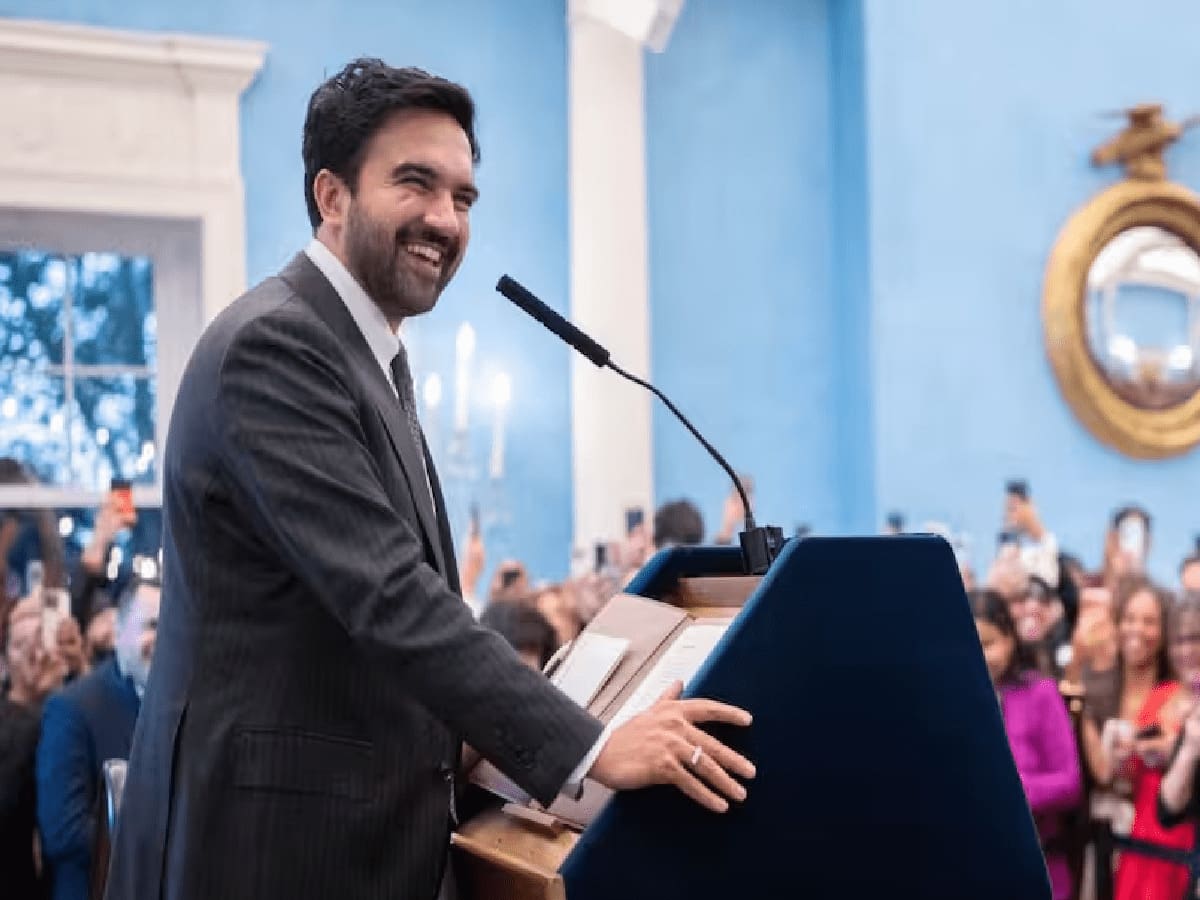
New York Mayor Zohran Mamdani Extends Heartfelt Navratri and Dussehra Greetings
Celebrating the cultural diversity of the five boroughs, New York City Mayor Zohran Mamdani extended warm greetings to the Hindu community and the wider South Asian diaspora on the auspicious occasion of Navratri and Dussehra. Taking to his official handle on social media platform X, the Mayor highlighted the profound spiritual essence of the nine-night festival dedicated to Goddess Durga. Describing the festival—observed through various customs such as Durga Puja, Dashain, Vijayadashami, and Navratri—as a powerful period for personal reflection, community solidarity, and new beginnings, Mamdani acknowledged the deep cultural roots and contributions of Hindu New Yorkers across the city.
Celebrating Plurality: Garba Rhythms, Golu Dolls, and Sacred Vermilion Rituals
The Mayor’s festive greeting captured the multi-faceted traditions and cultural expressions celebrated by diverse regional groups:
-
Tapestry of Regional Customs: Mamdani noted the vibrant mosaic of celebrations, pointing to energetic Garba dance gatherings, the sacred ritual of Sindoor Khela honoring Goddess Durga, the traditional display of Golu figurines in South Indian homes, and the practice of receiving auspicious Tika blessings from family elders.
-
A Time for Renewal: Emphasizing shared universal values, the greeting underlined that whether observed as Dashain, Dussehra, Durga Puja, or Navratri, the festive cycle serves as an inspiring catalyst for spiritual rejuvenation, ethical clarity, and peace.
-
Cultural Representation in New York: Community organizations commended the official recognition of varied heritage traditions, noting that public celebrations across Queens, Manhattan, and Brooklyn continue to enrich the cultural identity of New York City.
Grand Dussehra Celebrations Across the United States: Modern Ramlilas and Ravana Dahan
The festive season has triggered widespread celebrations across major metropolitan centers in the United States:
-
High-Tech Ramlila Showcases: Across prominent American cities, diaspora cultural forums are staging grand Ramlila theatrical productions that blend traditional choreography with sophisticated LED displays, projection mapping, and authentic period attire to narrate the Ramayana epic.
-
Effigy Burning and Mela Grounds: Public fairgrounds, sports complexes, and community parks throughout the US are hosting mass Ravana Dahan ceremonies, drawing thousands of families to celebrate the triumph of virtue over adversity.
-
Cultural Fairs and Gastronomy: Festive grounds feature artisanal craft stalls, traditional music, and food bazaars offering regional Indian street food, transforming religious observations into vibrant cultural hubs for younger generations.
Temple Sanctums to Dandiya Nights: Preserving Heritage for Future Generations
Temples and cultural institutions across the country are playing a central role in anchoring these long-standing festive traditions:
-
Shastra Puja and Temple Rites: Prominent religious venues are conducting specialized weapon and instrument consecrations (Ayudha Puja), elaborate Chandi Homas, and scriptural recitations followed by communal feasts.
-
Garba Nights and Community Cohesion: Major centers—including the Radha Krishna Temple in Dallas, Texas—are drawing massive crowds for open-air Dandiya Raas and Garba evenings, with attendees dressed in traditional attire.
-
Intergenerational Continuity: Through these organized cultural platforms, the Indian American diaspora ensures that foundational cultural heritage, moral philosophies, and festive traditions are seamlessly passed down to future generations.




