







Trump Breaks Silence on Midterm Losses: Iran War, Border & AI
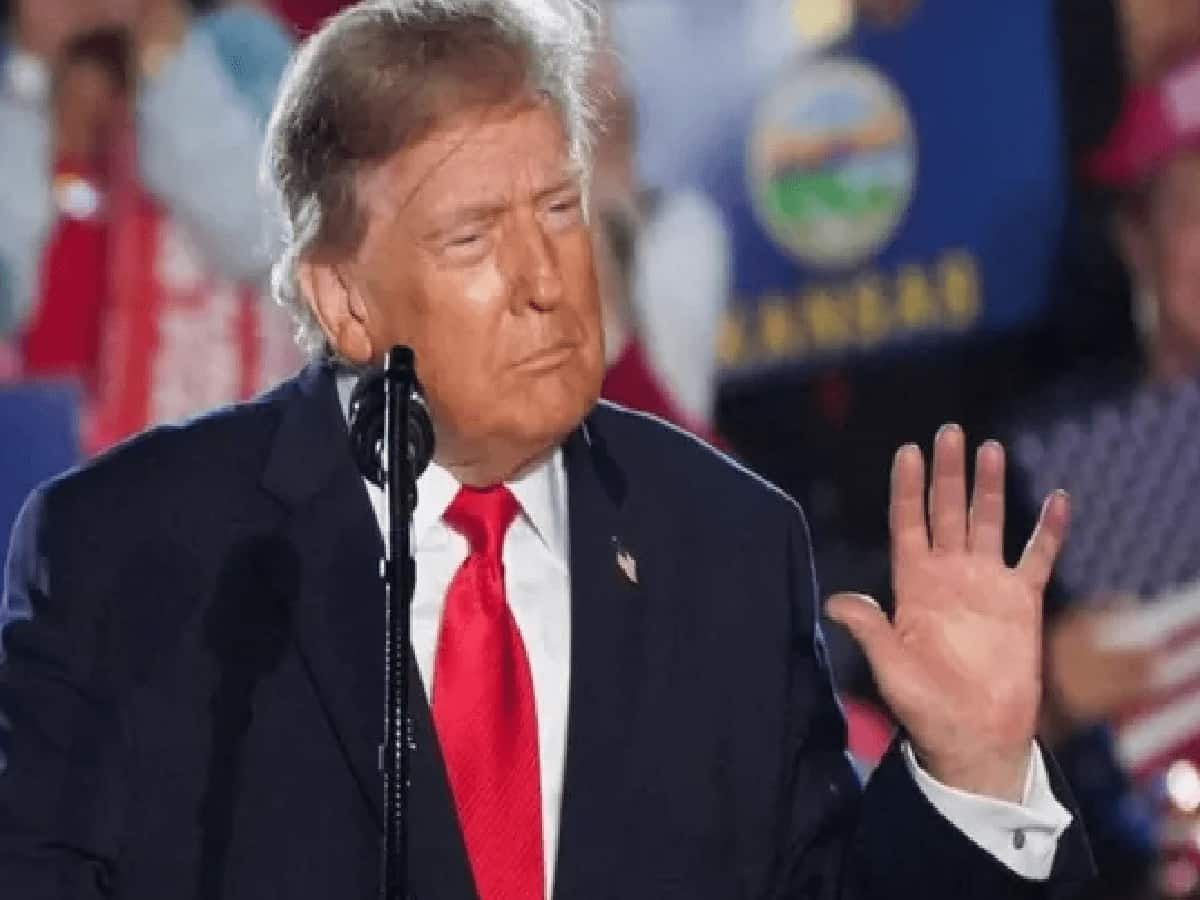
Breaking his public silence following a bruising setback for the Republican Party in the 2026 midterm elections, United States President Donald Trump offered a comprehensive post-mortem of his administration's domestic agenda and foreign policy maneuvers. Sitting down for an interview broadcast on CBS News' 60 Minutes, the American head of state addressed the underlying grievances that drove suburban voters, independent blocs, and blue-collar households away from GOP candidates at the ballot box. Rather than deflecting responsibility entirely onto legislative nominees, Trump acknowledged that surging retail gasoline prices tied to military escalations against Iran, shifting voter sentiments regarding Middle Eastern engagements, and an aggressive, indiscriminate domestic deportation apparatus contributed heavily to the electoral backlash. The candid discussion covered pivotal policy shifts—signaling unexpected openness to bipartisan immigration reform with Capitol Hill Democrats while remaining defiant on neutralizing Tehran's nuclear program and maintaining American leadership in the geopolitical artificial intelligence race against China.
Midterm Setback: Acknowledging the Political Toll of the Iran War
The central takeaway of the president's post-election assessment centered on the controversial military confrontation with Tehran, which dominated headlines and destabilized international energy markets in the months leading up to the vote. Responding to social media observations posted by Vice President J.D. Vance—who asserted that public exhaustion with the Middle East conflict cost Republicans their legislative majorities—Trump conceded the political reality. "I don't disagree with him," Trump admitted, noting that voters grew deeply frustrated by spiking pump prices and sustained overseas military entanglements.
Despite the immediate electoral damage, the commander-in-chief vigorously defended the strategic necessity of the military strikes, maintaining that his administration had to act decisively to dismantle Iran’s nuclear infrastructure. He insisted that history would vindicate his administration's choice to confront Tehran head-on rather than permitting a hostile state to achieve atomic capabilities on his watch. He reiterated that allowing Iran to cross the nuclear threshold would have invited far greater geopolitical peril and domestic condemnation in the long run.
Changing Stance on Border Policy: Conceding Deportations Were 'Too Strict'
On domestic policy, Trump made a notable concession regarding his administration's signature immigration crackdowns. While emphasizing that securing the southern boundary and expelling individuals convicted of violent crimes received strong public approval, he acknowledged that sweeping neighborhood raids and the sudden expulsion of long-settled workers generated widespread alarm across suburban communities and key business sectors.
Asked directly whether the operational execution of mass deportations had crossed a line, Trump conceded: "I think it probably was too strict". He expressed a surprising willingness to forge a bipartisan legislative compromise with incoming Democratic congressional majorities. Under the framework outlined by the president, long-term undocumented residents who have resided peacefully in the United States for a decade or more—particularly those filling essential roles in hospitality, agriculture, landscaping, and food service—could be granted formal legal status to live and work without fear of removal. Federal enforcement resources would then remain concentrated strictly on combating transnational narcotics cartels, gang syndicates, and violent offenders. To demonstrate good faith, Trump signaled an intention to tone down partisan rhetoric against Democratic lawmakers over the coming months to facilitate direct negotiations.
Neutralizing Tehran's Nuclear Ambitions and Securing Maritime Corridors
Addressing the current status of military operations in the Persian Gulf, President Trump asserted that the primary objectives of the Pentagon’s kinetic campaign have been achieved. He declared that the immediate nuclear threat posed by Iran has been eliminated, claiming that enrichment sites and materials now lie buried under thousands of tons of collapsed rock following precision bunker-busting strikes. Emphasizing that he does not seek further escalation with Tehran, Trump framed the active phase of the confrontation as having reached its conclusion.
Addressing international maritime commerce concerns, Trump reiterated that the Strait of Hormuz remains operational under the protection of allied naval escorts. He dismissed suggestions that Washington made concessions to keep commercial oil tankers navigating the strategic chokepoint, affirming that regional security partners shielded by American air defense umbrellas would ultimately shoulder the financial expenses incurred during the campaign.
Diplomatic Push for Ukraine and Forthcoming Cabinet Adjustments
Turning to Eastern Europe, Trump expressed confidence that a negotiated diplomatic resolution to the prolonged Russia-Ukraine war is closer than ever before. Reasserting his position that the conflict would never have commenced under different geopolitical leadership, Trump identified personal animosity between Russian President Vladimir Putin and Ukrainian President Volodymyr Zelensky as the primary roadblock to finalizing terms. Predicting an imminent end to hostilities driven by direct American mediation, the president hinted that the sovereign map of post-war Ukraine would emerge "a little different" in the aftermath of territorial adjustments.
Domestically, the electoral outcome has prompted questions regarding operational changes inside the West Wing. While praising his administration’s economic data and expressing general satisfaction with top officials, Trump indicated that strategic personnel changes remain under consideration to navigate a divided Congress. He reaffirmed strong support for Defense Secretary Pete Hegseth, dismissing criticisms of the Pentagon’s operational execution during the recent Gulf conflict.
The Strategic AI Frontier: Outpacing China Without Suffocating Innovation
On technological leadership, the president identified the race for dominance in Artificial Intelligence as the defining geopolitical battleground between the United States and China. Arguing that global economic and military supremacy in the twenty-first century will belong to whoever wins the generative and synthetic computing frontier, Trump stressed that federal policies must ensure American firms maintain an insurmountable edge over Beijing.
Addressing calls for regulatory oversight, Trump downplayed catastrophic risk scenarios championed by some corporate executives and academics, arguing that potential systemic dangers can be managed without hampering innovation. While not outright opposing baseline safety standards, he cautioned against burdensome regulatory frameworks that could slow American technology development, warning that over-regulation would allow state-backed competitors in China to pull ahead.




