







Starshield Blackout Cripples Ukraine Drones: Musk Satellite Glitch Halts Frontline
A catastrophic signal disruption across SpaceX’s military-grade satellite communications network, Starshield, caused dozens of advanced Ukrainian combat drones to lose telemetry and plunge from the sky, forcing Ukrainian armed forces to abruptly halt critical frontline combat operations for three consecutive days. According to military disclosures published by The New York Times, Ukrainian drone strike squadrons targeting Russian military command installations and fuel depots witnessed their live visual and guidance feeds suddenly blur and disconnect mid-flight, destroying over $1 million worth of precision drone weaponry in a single tactical wave. The operational blackout occurred in the immediate aftermath of reported discussions between US President Donald Trump and Russian President Vladimir Putin regarding frameworks to conclude the war in Ukraine, triggering deep suspicion among military commanders in Kyiv that the satellite restrictions were intentionally imposed as political leverage to force territorial concessions and punish strikes against Russian energy infrastructure.
Speed Caps and Blinded Feeds: How the 100 MPH Ceiling Paralyzed Interceptor Squadrons
The tactical impact of the Starshield disruption has severely compromised Ukraine’s layered aerial defense and strike capabilities along the active war front. Ukrainian commanders revealed that while armed strike drones previously operated seamlessly at speeds of up to 250 miles per hour under Starshield links, recent system modifications abruptly severed connections at speeds as low as 40 mph before an unannounced 100 mph velocity cap was rigidly enforced. According to Brigadier General Andriy Biletsky, while an unenforced 100 mph regulatory parameter technically existed on paper, the sudden rigid enforcement allows Washington to claim the system's baseline rules remain unchanged while simultaneously neutralizing Ukraine's tactical edge. The restrictions have crippled Ukrainian interceptor drones, which require high-speed bursts well exceeding 100 mph to chase down and neutralize Russian jet-powered attack drones targeting civil and industrial centers. Frontline commanders reported receiving desperate calls from troops attempting to salvage falling hardware, with military commentators noting that the sudden communication blindspot spared Russian logistics convoys while exacting a heavy toll in Ukrainian soldier casualties.
Diplomatic Clashes and Washington Denials: Kyiv Explores Satellite Alternatives Beyond SpaceX
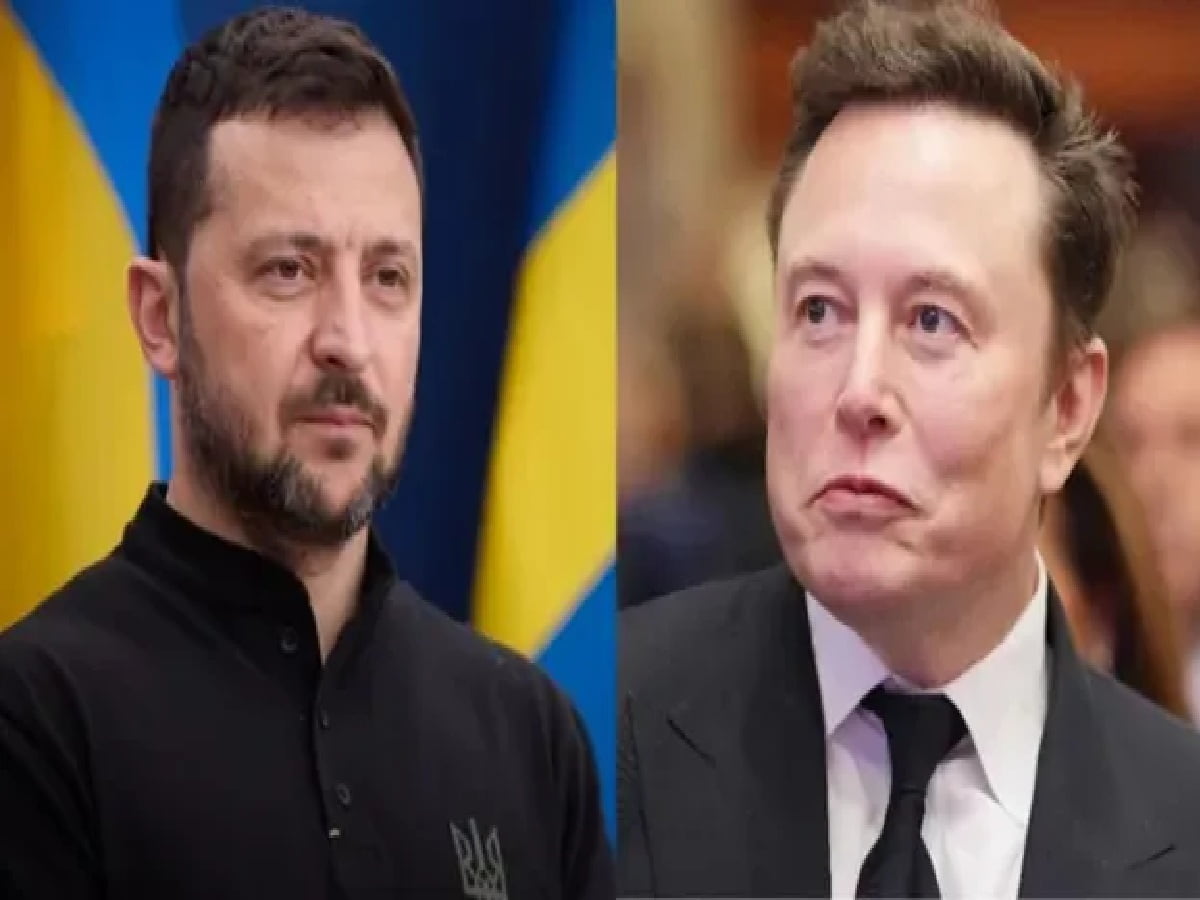
The operational collapse has opened a sharp rift between Ukrainian President Volodymyr Zelensky and senior American officials, fueling anxieties across European capitals that have bankrolled Ukraine’s Starshield access. While Elon Musk has repeatedly stated that operational governance of Starshield rests with the Pentagon, US Secretary of State Marco Rubio acknowledged that satellite slowdowns occurred before stating service had been restored, adding that SpaceX retains discretion over network access tiers. For his part, President Donald Trump denied directing any operational throttling, insisting that satellite parameters remained unchanged, while US Treasury Secretary Scott Bessent dismissed Zelensky’s allegations of deliberate sabotage as irresponsible. However, bipartisan lawmakers in Washington have expressed alarm over the disruptions, demanding an official accounting of who ordered the speed-limiting protocols. As frontline technicians scramble to modify strike packages to operate within the newly restricted flight envelopes, the Ukrainian defense ministry has initiated an urgent search for sovereign, non-US satellite communications alternatives to ensure their drone warfare infrastructure cannot be paralyzed by foreign policy shifts.




