







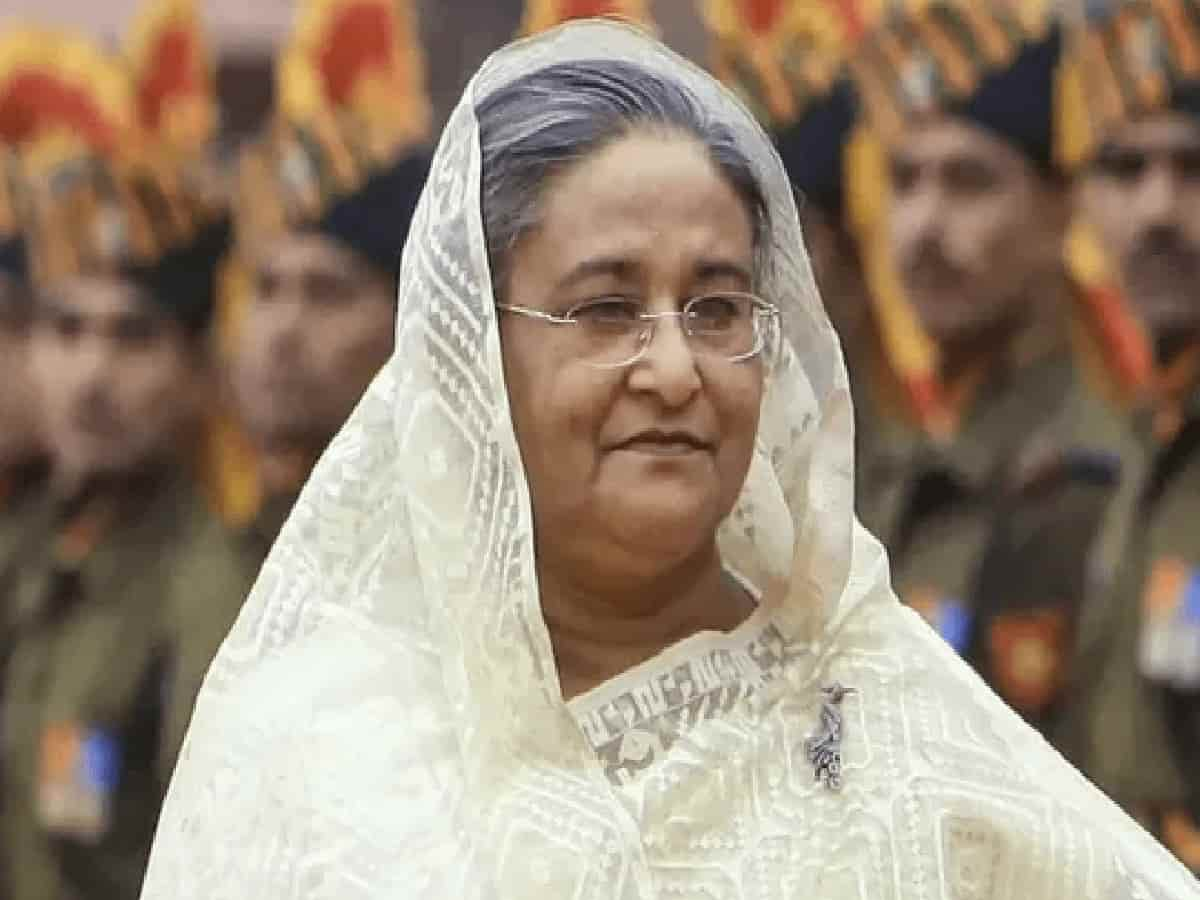
Sheikh Hasina a 'Convicted Criminal': Bangladesh Demands Extradition
In a diplomatic escalation testing bilateral relations across South Asia, the government of Bangladesh has formally reiterated its demand for the immediate extradition of ousted former Prime Minister Sheikh Hasina from India, describing her unambiguously as a "convicted criminal". Speaking to correspondents following the inauguration of a judicial training workshop in Dhaka on Sunday, November 8, 2026, Bangladesh’s Minister for Law, Justice and Parliamentary Affairs, Md. Asaduzzaman, confirmed that the government has transmitted formal extradition requisitions to New Delhi in strict accordance with the bilateral Extradition Treaty operational between the two neighboring nations. The Law Minister emphasized that Dhaka is approaching the matter purely through the prism of statutory due process, asserting that emotion has no place in the administration of justice. Concurrently, India's Ministry of External Affairs (MEA) has acknowledged receipt of the extradition communications, maintaining that the requests are being scrutinized through established legal frameworks and diplomatic review protocols, with no final determination announced.
Legal Mechanics: Pursuing Return Under the Bilateral Extradition Treaty
Addressing media representatives in Dhaka, Law Minister Md. Asaduzzaman left no ambiguity regarding the current regime's posture toward the former prime minister. "In my eyes, she is a criminal, convicted by our International Crimes Tribunal. To us, that is her primary and defining identity," Asaduzzaman asserted. He explained that while the judicial domain falls under his administrative oversight, the physical execution of cross-border extradition treaties remains the institutional prerogative of the Ministry of Home Affairs, which is managing the ongoing correspondence with Indian authorities.
The minister underscored the formal framework governing the extradition attempt:
-
Strict Treaty Adherence: Dhaka is basing its extradition claim on the 2013 Extradition Treaty signed between Bangladesh and India, which was subsequently amended in 2016 to accelerate mutual extraditions of accused or convicted individuals by relaxing evidentiary requirements.
-
Rejection of Emotional Impulses: Asaduzzaman stressed that the state apparatus is pursuing the matter dispassionately: "We have submitted a formal request to India under the extradition treaty. There is no room for emotion in this matter; it will be handled strictly in accordance with the law. If India surrenders her into our custody, we will adhere strictly to established judicial procedures", the Law Minister stated.
-
Domestic Legal Custody: The minister affirmed that upon any prospective transfer, Hasina would be processed directly through the national prison system to face custodial enforcement of sentences delivered by the tribunal.
The Political Timeline: From August 2024 Uprising to In-Absentia Conviction
The current extradition push represents the culmination of a turbulent political transition that began in the summer of 2024. Sheikh Hasina’s uninterrupted fifteen-year tenure as Prime Minister collapsed abruptly on August 5, 2024, following a mass student-led nationwide uprising against civil service quotas and authoritarian governance. As protestors breached the official Ganabhaban residence in Dhaka, Hasina resigned and boarded a military transport aircraft to take refuge in India, where she has resided under protective security.
Following her exit, an interim administration headed by Nobel Peace Prize laureate Professor Muhammad Yunus assumed governance, tasking the reconstituted International Crimes Tribunal (ICT) in Dhaka with investigating state crackdowns on protestors. In November 2025, the tribunal delivered a historic verdict against Hasina in absentia, finding her guilty of crimes against humanity and orchestrating deadly force during the July-August 2024 unrest. The tribunal handed down a death penalty on one count and life imprisonment on a secondary count. Following subsequent parliamentary general elections, the Bangladesh Nationalist Party (BNP), led by Tarique Rahman, formed a newly elected democratic government in Dhaka, maintaining the tribunal's verdicts as lawful and binding.
Diplomatic Friction: New Delhi Press Interaction Sparks Diplomatic Row
Bilateral tensions between Dhaka and New Delhi deepened in recent months following public engagements by the self-exiled leader. During a virtual, audio-only press briefing coordinated in New Delhi on August 5, Hasina addressed regional journalists, declaring her intent to return to Bangladeshi soil despite the acute likelihood of immediate incarceration or threats to her personal safety.
The media appearance triggered an immediate diplomatic protest from Dhaka:
-
Outrage from Bangladesh Foreign Ministry: The Bangladesh Ministry of Foreign Affairs registered severe objections, expressing public outrage that a convicted fugitive was permitted to utilize platforms in India to broadcast political messaging aimed at destabilizing the post-transition political settlement.
-
New Delhi's Clarification: In response to diplomatic notes, the Ministry of External Affairs in New Delhi clarified that the audio interaction was organized by an independent, private media organization without state facilitation, sponsorship, or involvement.
-
Review of Legal Obligations: Indian diplomatic sources maintain that while extradition treaties contain mutual obligations, they also incorporate standard clauses regarding political offenses and human rights considerations, which require comprehensive domestic legal and diplomatic review before executive action can be determined.
South Asian Geopolitics and the Extradition Dilemma
The extradition requisition places New Delhi in a delicate strategic predicament. For India, Sheikh Hasina represents a long-standing partner who safeguarded bilateral security cooperation, crushed anti-India insurgent safe havens in the Chittagong Hill Tracts, and deepened transit connectivity across the northeastern corridor during her premiership. Handing over a former head of state who sought emergency refuge would create political and ethical dilemmas for New Delhi.
Conversely, outright refusal to honor an extradition treaty request risks alienating the newly elected administration in Dhaka led by the BNP, potentially pushing Bangladesh toward deeper commercial and defense alignment with regional competitors. As the Indian government continues its formal legal examination of Dhaka's dossiers, the diplomatic corridor between New Delhi and Dhaka remains under intense geopolitical focus, balancing legal treaties against strategic regional interests.




