







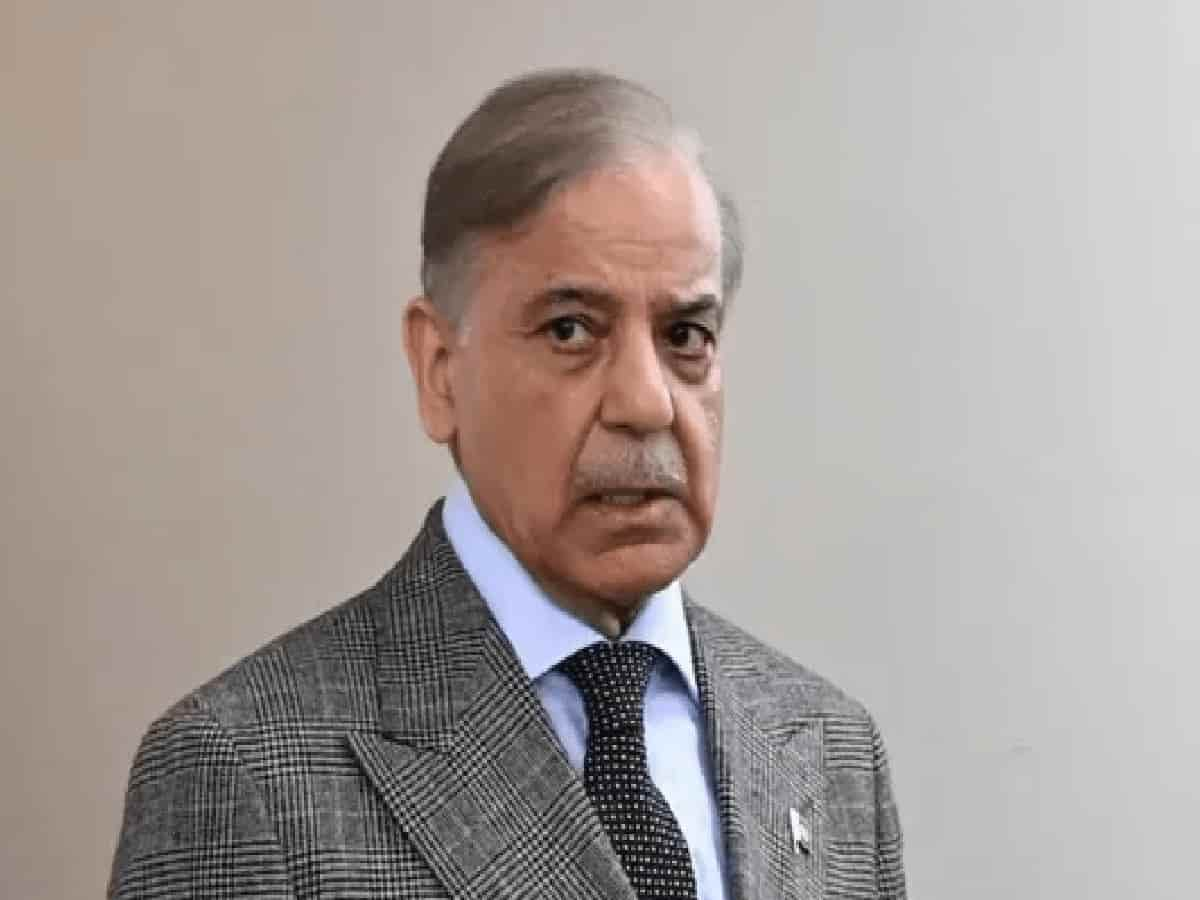
Shehbaz Sharif Extends Diwali Wishes, Hails Pakistan's Hindus
As millions of devotees across South Asia and the global diaspora illuminate clay lamps to observe the festival of lights, Pakistan Prime Minister Shehbaz Sharif on Sunday extended greetings to the Hindu community in Pakistan and around the world, describing Hindu citizens as a "valued and integral part of the national fabric". In an official message released by the Prime Minister’s Office (PMO) on social media platform X, the premier underscored that Diwali symbolizes the timeless victory of light over darkness, hope over despair, and tolerance over hatred. Praising the community’s contributions to the social, cultural, and economic development of the country, Sharif emphasized that Pakistan takes pride in its religious diversity, reiterating his administration's dedication to safeguarding the constitutional rights and religious freedoms of all citizens regardless of faith or background. The festive greetings were echoed by Pakistan’s First Lady, Bibi Aseefa Bhutto Zardari, and President Asif Ali Zardari, with the First Lady reflecting on Sindh’s heritage of interfaith harmony and invoking the inclusive vision of her mother, former Prime Minister Benazir Bhutto.
A Festive Communiqué: Shehbaz Sharif Champions Inclusivity and Harmony
In his formal address to the nation, Prime Minister Shehbaz Sharif framed Diwali not merely as a localized religious observance, but as a universal symbol of mutual respect, human dignity, and interfaith solidarity. The Prime Minister noted that cultural pluralism represents one of the nation's most valuable social assets, stating that a peaceful society must provide equal educational, civic, and economic opportunities to every citizen.
Addressing the public, Sharif highlighted the contributions of Pakistani Hindus across public service, commerce, medicine, and the arts:
-
Recognition of National Service: The premier acknowledged the role played by Hindu professionals, educators, entrepreneurs, and parliamentarians in nation-building since independence.
-
Call for Interfaith Coexistence: Sharif urged civil society, community elders, and administrative bodies to foster fraternity and combat extremist narratives, noting that collective progress depends upon mutual understanding and religious tolerance.
-
Pledge of Equal Protection: Citing statutory safeguards, the Prime Minister reaffirmed that the federal government remains determined to protect minority shrines, mandirs, and cultural heritage sites across all four provinces.
Voice from Sindh: Aseefa Bhutto Zardari Evokes Shared Cultural Roots
Adding a personal and regional dimension to the day's diplomatic messaging, Pakistan's First Lady and Member of the National Assembly, Bibi Aseefa Bhutto Zardari, shared warm felicitations through the President's Office. Emphasizing her heritage, Aseefa noted that as a "daughter of Sindh," Diwali carries deep cultural significance, rooted in the province’s centuries-old traditions of hospitality, Sufi thought, and coexistence.
Sindh is home to the vast majority of Pakistan’s Hindu population, with large concentrations residing across districts such as Tharparkar, Umerkot, Mirpurkhas, Sanghar, and the provincial capital of Karachi. In her message, Aseefa remarked that Hindu families have lived alongside Muslim neighbors for generations, enriching the local language, folk literature, and social traditions.
Invoking the legacy of her mother, late Prime Minister Benazir Bhutto, Aseefa stated that the Pakistan Peoples Party (PPP) remains committed to Benazir’s vision of a democratic state founded on absolute equality, social justice, and constitutional protections for religious minorities. She called upon citizens to celebrate Diwali by sharing meals, clothing, and festive joy with underprivileged families facing economic hardship, embodying the spirit of brotherhood and communal charity.
Constitutional Pledges: Safeguarding Minority Freedoms in Contemporary Pakistan
The rhetoric of religious freedom delivered on high-profile festive occasions aligns with the fundamental rights enshrined in Pakistan's founding documents. Article 20 of the Constitution of Pakistan guarantees every citizen the right to profess, practice, and propagate their religion, while Article 22 protects religious communities from discriminatory taxation and guarantees access to educational institutions.
President Asif Ali Zardari, in a complementary Diwali dispatch, reiterated that protecting minority rights is an obligation shared by both the state and society. He pointed to statutory initiatives including legislative representation quotas in provincial assemblies and the Senate, alongside the Evacuee Trust Property Board's (ETPB) ongoing restoration of historic Hindu temples such as the Katas Raj Temples in Chakwal and the Hinglaj Mata shrine in Balochistan. The federal leadership underscored that ensuring safe, unhindered pilgrimages for domestic devotees and international visitors remains an administrative priority.
Ground Realities: Navigating Minority Rights Across Sindh and Beyond
While official messages during Diwali strike an inclusive tone, rights organizations, including the Human Rights Commission of Pakistan (HRCP), emphasize that significant work remains to translate constitutional guarantees into consistent protection on the ground. Community representatives frequently raise concerns regarding forced religious conversions, the safety of young women in rural Sindh, disputes over ancestral community land, and incidents of vandalism targeting local shrines.
Civil rights advocates and legal reformers stress that festive messages must be matched by structural reforms:
-
Stringent Legal Deterrents: Enforcing strict penalties against vigilantism, forced marriages, and abduction of minority women, with dedicated special fast-track courts.
-
Educational Reforms: Removing biased representations of non-Muslim communities from regional school curricula and fostering mutual respect in classroom texts.
-
Economic Security: Expanding targeted vocational programs and job quotas across public and private sectors to support economically marginalized communities in rural Sindh and southern Punjab.
Community elders in Umerkot and Mithi acknowledged the government's Diwali greetings as a welcome gesture, but emphasized that administrative accountability at the district police level remains essential to ensuring long-term community security.
Bridge-Building Across Borders: The Diplomatic Weight of Festive Diplomacy
Beyond domestic governance, Prime Minister Shehbaz Sharif’s Diwali address carries foreign policy significance. In a regional environment often strained by cross-border tensions between Islamabad and New Delhi, public outreach to the Hindu community signals an effort to project moderate, pluralistic values to the broader international community.
As earthen diyas were lit across the historic Shri Swaminarayan Mandir in Karachi, the Umerkot Shiv Mandir, and Hindu households across the Thar desert, the celebration of Diwali in Pakistan highlighted the resilience of community traditions. By acknowledging the Hindu community as an inseparable part of the national identity, state leaders offered a reminder that peace, tolerance, and human dignity remain essential pillars for a stable, inclusive future.




