







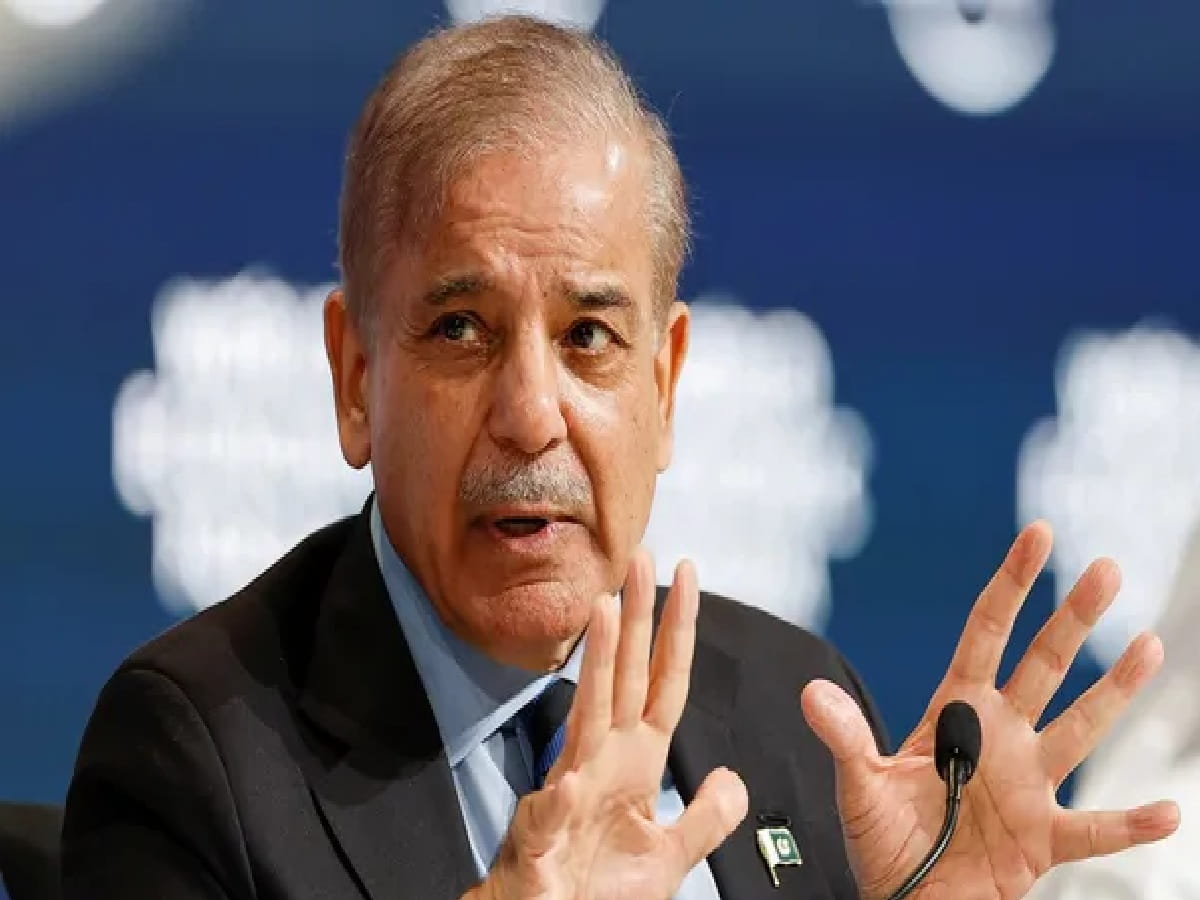
Saudi Arabia, Pakistan, Turkey Meet in Islamabad on Houthi Attacks
Defense and foreign ministers from Saudi Arabia, Pakistan, and Turkey convened in Islamabad on Friday for high-level consultations under their trilateral Mecca defense pact as cross-border strikes by Yemen's Houthi rebels against Saudi territory intensify. Hosted under heightened security in Pakistan's capital—where authorities declared a local public holiday across Islamabad and Rawalpindi to facilitate VIP movements—the talks aim to coordinate defensive support for Riyadh while testing how far the three-nation alliance can turn collective-security pledges into operational action.
What Is on the Agenda at the Islamabad Mecca Pact Summit
The gathering brings together senior diplomatic and defense officials under the Strategic Political and Defense Committee established by the Mecca Agreement, which Saudi Arabia, Pakistan, and Turkey signed in August 2026 before completing ratification earlier this month. Speaking ahead of the deliberations, Pakistan's Defense Minister Khawaja Asif confirmed that the defense and foreign ministers of all three nations were examining the deteriorating security situation along Saudi Arabia's southern border in detail.
Asif underscored the collective security clause embedded in the treaty, stating that any threat to Saudi Arabia's territorial integrity poses a direct danger to Pakistan and Turkey as well. Because the trilateral alliance entered into force only on November 14 following Turkish ratification, officials indicated that frequent ministerial meetings are being held to finalize institutional mechanisms and operational protocols over the coming months.
Balancing Collective Defense With Operational Caution
Although the Mecca Agreement treats aggression against one signatory as a threat to all three, both Islamabad and Ankara have walked a careful diplomatic line regarding direct offensive military involvement in Yemen.
-
Pakistan's defensive posture: Islamabad has reiterated its commitment to defending Saudi Arabia's sovereignty and maintains long-standing military training and advisory deployments in the kingdom, yet Pakistani officials have ruled out launching offensive strikes against Houthi positions inside Yemen.
-
Turkey's institutional focus: Turkish Foreign Minister Hakan Fidan and Ankara's delegation joined the Islamabad talks to condemn Houthi attacks on Saudi infrastructure and advance institutional coordination under the pact, while steering clear of direct offensive combat operations.
Ahead of Friday's trilateral session, Pakistan's Deputy Prime Minister and Foreign Minister Ishaq Dar also held a telephone conversation on Thursday with Iranian Foreign Minister Seyed Abbas Araghchi to discuss regional developments and convey Islamabad's diplomatic position amid widening Gulf tensions.
Jazan Refinery Attack and Retaliatory Strikes in Yemen
The Islamabad summit opened against the backdrop of escalating violence across the Saudi-Yemeni front. On Thursday, a Houthi missile and aerial projectile strike hit Saudi Aramco's oil refinery in the southwestern Saudi port city of Jazan, killing a Nepalese worker, injuring several others, and sparking a fire that temporarily halted some refinery operations. The Muslim World League condemned the attack on the Jazan energy facility, while Saudi-led coalition air defenses reported intercepting additional Houthi drones targeting the Riyadh and Mecca regions.
In retaliation, Saudi-led coalition forces launched strikes against Houthi military targets across Yemen, reporting the destruction of a ballistic missile launcher in Hodeidah and strikes on dozens of rebel sites. Meanwhile, Houthi-controlled Saba news agency and local health officials claimed that Saudi airstrikes hit a residential building in the city of Al-Turba in Yemen's Taiz province on Friday, killing 11 civilians, most of them children—a casualty figure that could not be independently verified. As violence spills across energy corridors and civilian areas alike, the Islamabad talks face mounting pressure to stabilize Gulf security without triggering a broader regional conflagration.




