







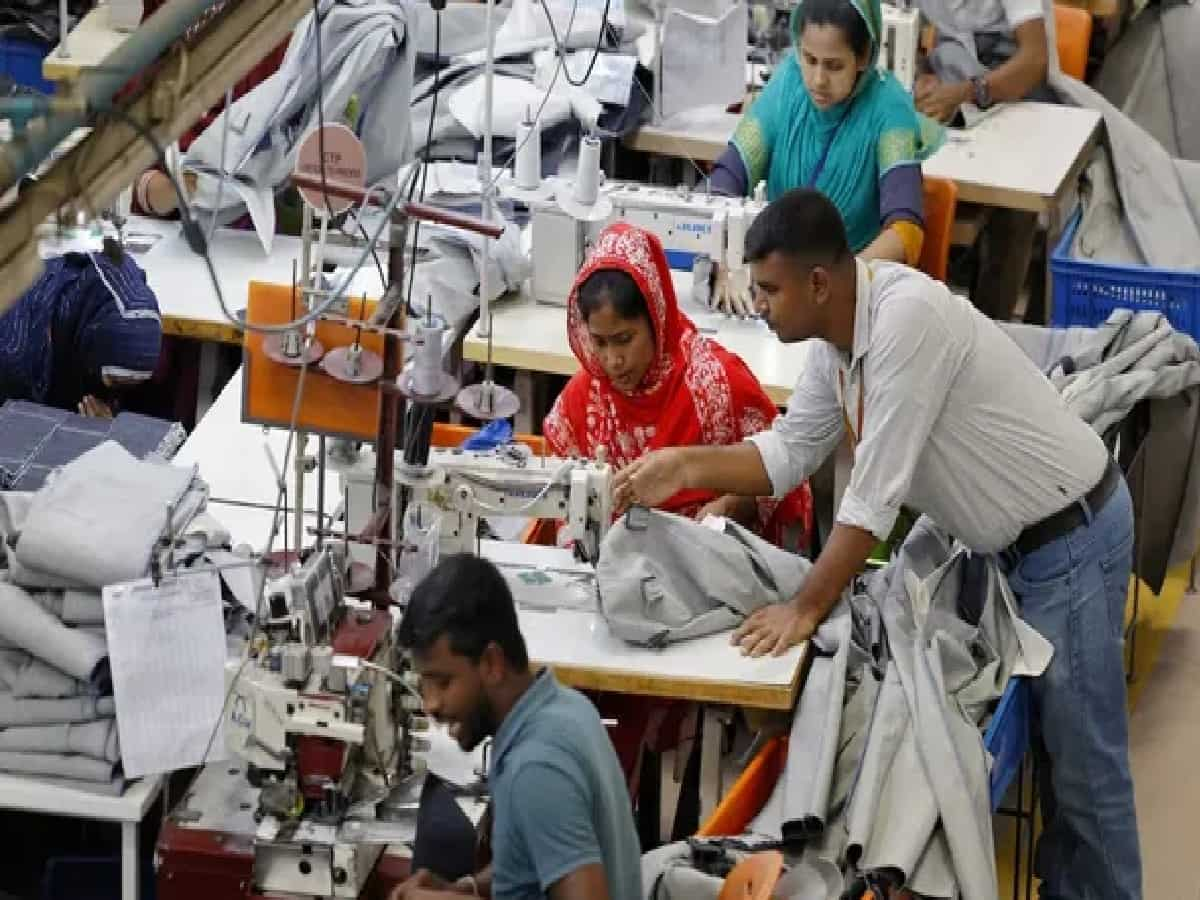
Global Fashion Brands Shift $254M Garment Orders to India
Major international apparel retailers—including Zara, H&M, Marks & Spencer, and Celio—have diverted roughly $254 million (more than ₹2,100 crore) worth of garment orders away from Bangladesh toward India and rival Asian manufacturing hubs amid ongoing worker protests and factory shutdowns. According to industry disclosures citing Bangladeshi factory owners, the shifted contracts represent nearly 10 percent of the country's monthly apparel orders booked during the first half of November alone.
India Emerges as the Top Winner From Supply-Chain Diversions
Between November 1 and November 18, global fashion buyers moved rapidly to insulate holiday and spring inventory schedules from production disruptions in Dhaka and surrounding industrial belts such as Gazipur. While Vietnam, Cambodia, and Indonesia picked up portions of the redirected contracts, neighboring India captured the largest share of the $254 million shift.
The order inflows have already buoyed investor sentiment across Indian textile and apparel clusters in Tiruppur, Bengaluru, Ludhiana, and Mumbai, with shares of major Indian garment exporters such as Gokaldas Exports and Trident posting notable gains. For international retail chains, India's integrated domestic cotton and yarn supply chain—combined with shorter shipping distances and reliable port operations—has made it the most immediate alternative capable of absorbing high-volume fast-fashion orders without missing seasonal retail windows.
Over $400 Million Lost as Wage Protests Paralyze Factories
The export diversion delivers a heavy blow to Bangladesh, the world's second-largest ready-made garment exporter after China. Data compiled by the Bangladesh Garment Manufacturers and Exporters Association (BGMEA) indicates that prolonged strikes and street demonstrations since early November have already cost the sector more than $400 million (over ₹3,300 crore) in lost production—with survey estimates from hundreds of affected factories placing cumulative losses at roughly $428 million.
The stakes for Bangladesh's economy are immense, as ready-made garments generate more than 80 percent of the nation's total export earnings and provide roughly 40 percent of its manufacturing jobs. Earlier this week, a government-appointed wage board approved a 36 percent increase in the minimum monthly wage for garment workers—raising the entry-level floor to 17,000 taka. However, because that revision marked the smallest percentage increase in over a decade and fell well short of union demands to double wages, fresh clashes erupted between protesting workers and security forces, keeping hundreds of plants idle.
Energy Shortages and Slower Lead Times Erode Competitive Edge
Beyond factory-floor unrest, Bangladeshi manufacturers are contending with structural cost and speed disadvantages that are narrowing the gap with Indian competitors:
-
Rising wage and utility bills: Factory owners warn that higher minimum wages, combined with persistent power shortages exacerbated by the West Asia crisis, have forced plants to rely on costly captive diesel and alternative power generation—eroding Bangladesh's traditional low-cost labor edge over India.
-
Lost production days: Industrial hubs around Dhaka have lost an estimated 20 to 25 working days due to blockades, strikes, and "no work, no pay" closures.
-
Delivery timeline gap: While Bangladeshi factories typically require around 120 days from order placement to final delivery, manufacturing hubs in India and Southeast Asia are fulfilling comparable orders within 60 to 90 days. Buyers note that India offers roughly a one-week turnaround advantage over Bangladesh on urgent shipments, while Vietnam and Cambodia provide around a 15-day delivery edge on select lines.
As political uncertainty and labor friction continue in Dhaka, industry analysts note that sourcing shifts initially intended as short-term risk mitigation could evolve into longer-term market-share gains for Indian apparel exporters.




