







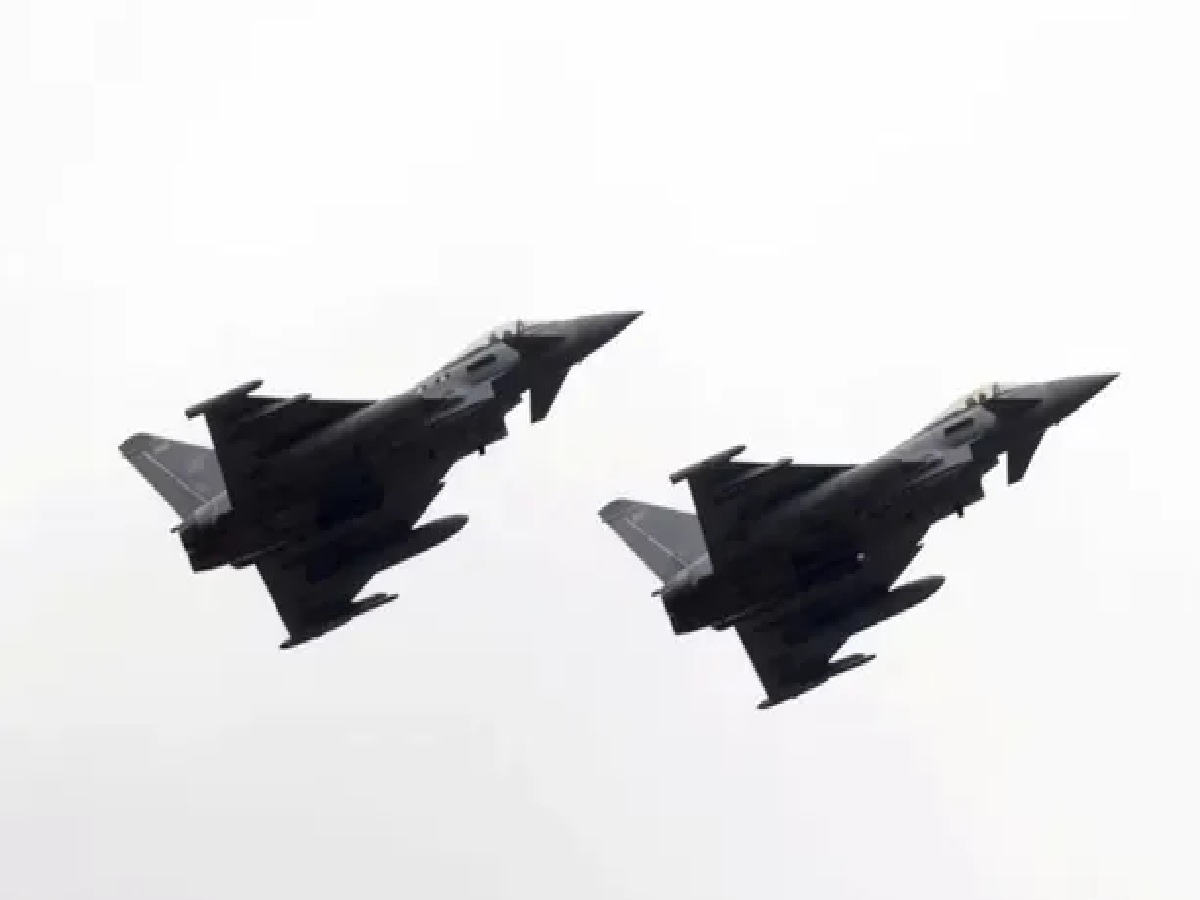
Russian Warplanes Enter South Korea Air Zone; Seoul Scrambles Jets
Military and diplomatic tensions across Northeast Asia escalated sharply on Tuesday, November 24, 2026, after several Russian military aircraft entered the Korea Air Defense Identification Zone (KADIZ) over the East Sea and flew dangerously close to South Korean territorial airspace near Ulleung Island (Ulleungdo), prompting Seoul to scramble Air Force fighter jets and announce plans to summon Russia's defense attaché to lodge a formal, stern protest. According to South Korea's Joint Chiefs of Staff (JCS), military radars detected the Russian warplanes before they entered KADIZ early Tuesday morning and immediately scrambled tactical fighter jets to shadow the formation and prepare for any contingency until the aircraft withdrew from the zone. While JCS spokesperson Jang Do-young confirmed that the Russian planes approached "to the point just before violating Ulleungdo's airspace" without actually crossing into sovereign South Korean territory, the fast-moving approach triggered three minutes of intense alarm on Ulleung Island—home to roughly 9,000 residents about 130 kilometers east of the Korean Peninsula. At 7:52 AM local time, South Korea's Ministry of the Interior and Safety broadcast an emergency alert—accompanied by air raid sirens—instructing residents of Ulleung County to seek shelter inside underground facilities or sturdy buildings, lifting the order three minutes later at 7:55 AM once the aircraft exited the danger zone. Defense Ministry spokesperson Chung Binna told reporters in Seoul that the ministry will summon the Russian defense attaché on Tuesday afternoon to deliver a strong diplomatic protest, marking the third KADIZ entry by Russian warplanes within a single week (following incidents on November 17 and November 19) and underscoring heightened Indo-Pacific security watchfulness across Seoul, Ulleungdo, Tokyo, Moscow, New Delhi, Lucknow, and Kanpur.
Russian Aircraft KADIZ Intrusion & Ulleung Island Alert (Nov 24, 2026): Key Facts
To bring together the verified timeline of Tuesday morning's air-defense response over the East Sea, the official clarification regarding the Ulleung Island evacuation alert, and the broader pattern of Russian military flights across Northeast Asia, the tables below summarize the developments:
Timeline of the KADIZ Incident & Ulleung Island Siren Alert (Nov 24, 2026)
| Time / Stage | Verified Military & Civil Details | Operational & Diplomatic Impact |
| Early Tuesday Morning (Pre-7:52 AM KST) | South Korea's Joint Chiefs of Staff (JCS) detected multiple Russian military aircraft approaching and entering the Korea Air Defense Identification Zone (KADIZ) over the East Sea near Ulleung Island. | Republic of Korea Air Force (ROKAF) scrambled fighter jets to perform tactical maneuvers; JCS declined to disclose the exact number or aircraft types for operational security. |
| 7:52 AM Local Time (22:52 GMT Monday) | Ministry of the Interior and Safety issued an emergency shelter alert and sounded sirens for Ulleung County (~9,000 residents). | Early provincial/ministry text alerts caused brief confusion by referring to an airspace violation—and an erroneous provincial mention of North Korea—before JCS clarified it was a Russian KADIZ approach without territorial airspace violation. |
| 7:55 AM Local Time (3 Minutes Later) | Emergency shelter warning lifted after the Russian aircraft withdrew from the danger area following South Korean jet intercepts. | Zero accidents, injuries, or physical disturbances reported on Ulleung Island. |
| Tuesday Afternoon (Seoul) | Defense Ministry spokesperson Chung Binna announced Seoul will summon Russia's defense attaché to lodge a "stern protest". | Signals firm diplomatic pushback against unannounced flights skirting South Korean territorial limits. |
Recent Pattern of Russian Military Flights Near South Korea & Japan (Nov 2026)
| Date / Period | Incident Summary | Regional & Diplomatic Context |
| November 17 & 19, 2026 | Russian warplanes entered KADIZ twice earlier in the week, prompting South Korean fighter scrambles; Japan also lodged a strong protest over suspected Russian aircraft encroaching near its southwestern airspace, alongside complaints from Taiwan. | Occurred just ahead of Russian President Vladimir Putin's trilateral meeting with US President Donald Trump and Chinese President Xi Jinping on the sidelines of the APEC Summit in Shenzhen. |
| November 24, 2026 (Today) | Third Russian entry into KADIZ in seven days, flying right up to the edge of Ulleungdo's territorial airspace. | First time since March 2025 (following eight KADIZ entries in 10 days) that Seoul summoned Russia's defense attaché. |
| Historical Context — Ulleungdo Alerts | In November 2022, air raid sirens forced Ulleung Island residents to evacuate after North Korea fired more than 20 missiles into the sea, with one trajectory heading toward the island. | Explains why Tuesday's 7:52 AM sirens sparked immediate concern among island residents. |
Understanding ADIZ vs. Sovereign Airspace in International Aviation
An Air Defense Identification Zone (ADIZ)—such as KADIZ—is a buffer zone extending beyond a nation's 12-nautical-mile sovereign territorial airspace where approaching foreign aircraft are monitored for early-warning security. While entering an ADIZ without prior notification is not a violation of international treaty law—and Moscow refuses to formally recognize KADIZ—international aviation norms expect military aircraft to give advance notice to prevent dangerous miscalculations when high-speed warplanes approach populated islands like Ulleungdo.
Why Northeast Asian Airspace Incidents Are Being Watched Closely in India and Worldwide
As major global powers test aerial boundaries across the East Sea (Sea of Japan) and Western Pacific, defense analysts and readers across Seoul, Tokyo, Moscow, New Delhi, Lucknow, and Kanpur are closely monitoring how South Korea's diplomatic summons to the Russian defense attaché—and Seoul's review of its emergency civil-alert coordination after Tuesday's brief messaging confusion—shape regional stability in the weeks ahead.




