







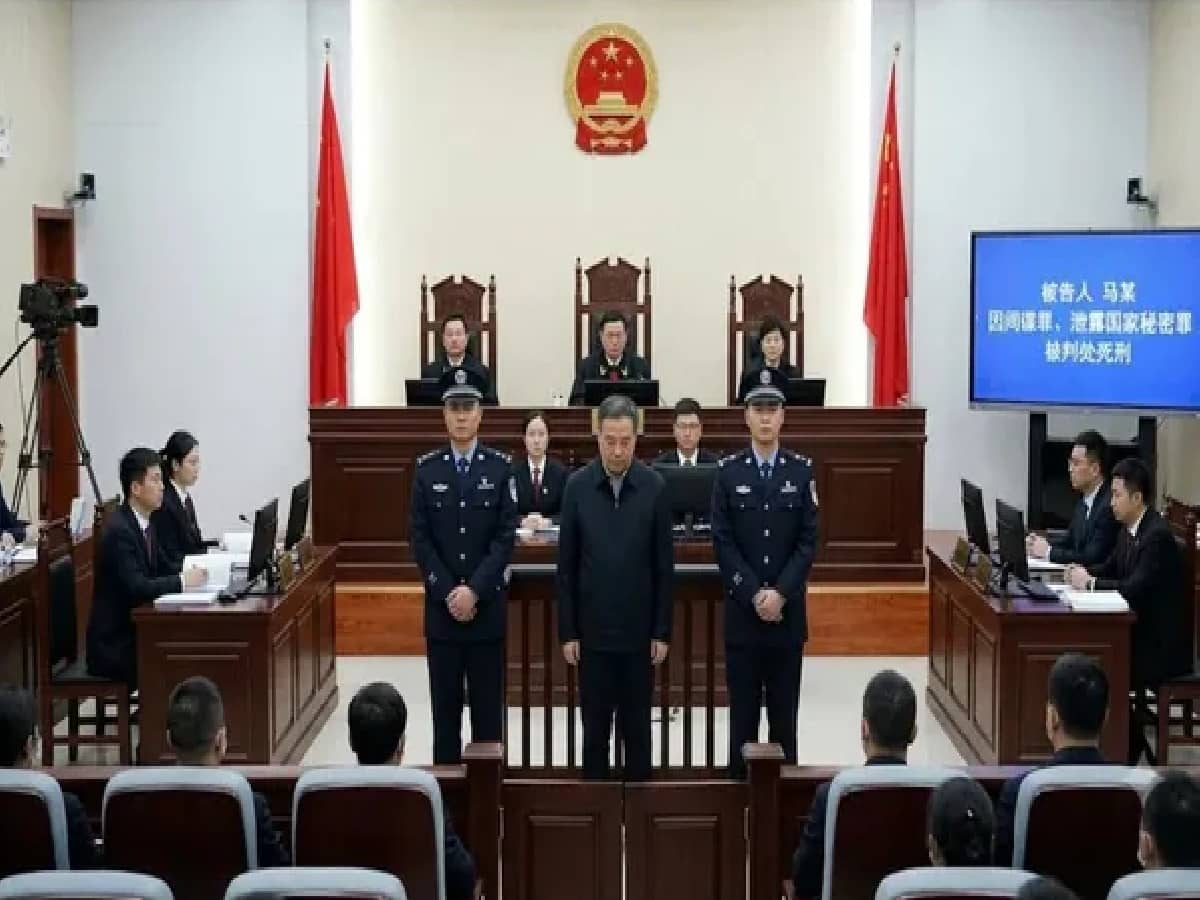
China Sentences Official 'Ma' to Death for Leaking 100 Spy Reports
In a stark public warning aimed squarely at its vast civil service and overseas diplomatic corps, China has sentenced a central government official—identified solely by his surname, "Ma"—to death, stripped him of political rights for life, and ordered the confiscation of all his personal property after convicting him of passing more than 100 intelligence reports to a foreign spy agency in exchange for over 1 million yuan (approximately $150,000). Reported across global intelligence and diplomatic desks on Tuesday, November 24, 2026, the disclosure originated from Baomiguan (National Confidentiality Awareness Platform), an official WeChat account overseen by China's National Administration of State Secrets Protection. According to the state-affiliated account—whose post rapidly became the top-trending topic on Chinese social media platform Weibo on Monday morning—Ma was first targeted while serving on an overseas posting in an unnamed nation referred to only as "Country A". There, a foreign operative from "Country B" using the alias "Kailin" struck up frequent meetings under the innocent pretext of wanting to learn the Chinese language, gradually shifting conversations from casual cultural chats to international affairs and internal personnel directories. Once Ma accepted initial cash payments, Kailin introduced him to a second intelligence handler named "Tang Zheng," who leveraged Ma's earlier disclosures to blackmail him into signing a formal cooperation agreement containing clauses on "confidentiality" and "loyalty". Even after completing his overseas tour and returning to China, Ma continued extracting sensitive data from classified workplace documents by day, organizing the material at home each evening, and transmitting over 100 intelligence reports via covert espionage websites—including 35 items later classified as state secrets (some graded "top secret")—collecting monthly stipends, domestic cash drop-offs, and performance bonuses exceeding 1 million yuan ($150,000) before his eventual capture. While key details—including Ma's specific ministry, the identity of the foreign intelligence service, and whether the execution has already been carried out—remain closely guarded, the case underscores Beijing's escalating counter-espionage drive across Beijing, New Delhi, Washington, Taipei, Lucknow, and Kanpur.
China's 'Ma' Espionage Case (Nov 2026): Recruitment, Leaks & MSS Warnings
To bring together the verified timeline of how civil servant 'Ma' was recruited, blackmailed, and convicted, the unanswered questions noted by international observers, and the broader counter-espionage campaign led by China's Ministry of State Security (MSS), the tables below summarize the developments:
Anatomy of the Espionage Case Disclosed by 'Baomiguan'
| Case Stage / Element | Verified Details from Official Disclosure | Counter-Espionage Significance |
| Target & Verdict | Former central government civil servant surnamed "Ma" — Sentenced to death, stripped of political rights for life, and had all personal assets confiscated by an unspecified Chinese court. | Reflects zero-tolerance capital punishment for long-term leaks involving classified state secrets. |
| Overseas Recruitment ('Kailin' & 'Tang Zheng') | While posted in "Country A," Ma was approached by operative "Kailin" (from "Country B") under the guise of learning Chinese, receiving modest gifts and cash before being introduced to handler "Tang Zheng," who used blackmail over past leaks to force him to sign a formal espionage contract. | Illustrates the classic "friendship-to-blackmail" trap repeatedly highlighted by Chinese security authorities. |
| Scale of Intelligence Leaks & Bribes | After returning to China, Ma extracted details from classified work files at night and transmitted 100+ intelligence reports via covert websites—including 35 items classified as state secrets (some "top secret")—for over 1 million yuan ($150,000) via overseas meetings, domestic drop-offs, and bonuses. | Demonstrates sustained post-posting espionage inside central government institutions. |
Key Unanswered Details & China's Broader Counter-Espionage Push
| Aspect | Current Status & Context |
| Undisclosed Case Details | The Baomiguan report omitted Ma's full name, his employing government agency, the identity of "Country A" and "Country B," the exact dates of his arrest and trial, the duration of his spying, and whether the death sentence has been carried out. International news agencies including Reuters noted they could not independently verify the anonymised disclosure. |
| MSS Social Media Campaign | China's Ministry of State Security (MSS) and state secrecy bodies have increasingly used WeChat, Weibo, short films, and comics to warn officials that "struggles on the hidden front have never ceased," urging strict party discipline, vigilance over social circles, and adherence to workplace confidentiality rules. |
| US CIA Recruitment Video Backdrop (2025–2026) | The warning follows Chinese-language recruitment videos released by the US Central Intelligence Agency (CIA) in 2025 and 2026 instructing disillusioned Chinese officials and military personnel on how to contact the agency securely—moves Beijing denounced as blatant espionage interference. |
Why Beijing Publicizes Anonymised Espionage Verdicts on Social Media
Historically, Chinese courts rarely released details of national-security trials. Over the past two years, however, the Ministry of State Security and the National Administration of State Secrets Protection have deliberately turned anonymised case studies into viral social-media cautionary tales. By spotlighting how seemingly harmless language-exchange friendships abroad can spiral into blackmail and capital punishment, Beijing aims to deter insider leaks across ministries, state-owned enterprises, and overseas missions.
Global Intelligence & Security Takeaways Across New Delhi, Washington and Asia
For foreign-policy observers, security analysts, and readers tracking global intelligence rivalries across Beijing, New Delhi, Washington, Taipei, Lucknow, and Kanpur, the sentencing of official "Ma" highlights the intensifying shadow war between major powers—where digital recruitment campaigns, overseas diplomatic postings, and strict domestic secrecy laws collide.




