







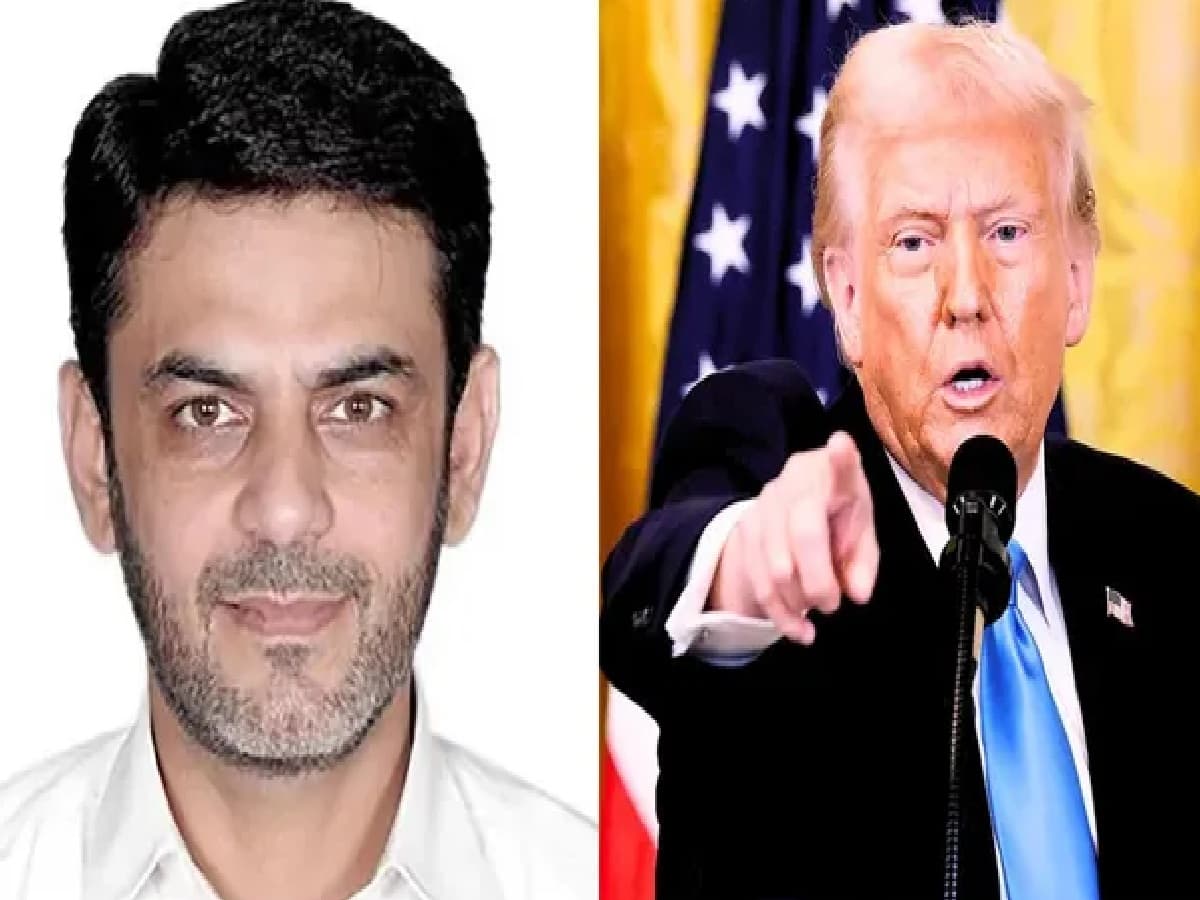
Pakistani Man Gets 27.5 Years in US Jail for Iran-Backed Trump Plot
A federal court in Brooklyn, New York, has sentenced 48-year-old Pakistani national Asif Merchant to 330 months—27 years and six months—in federal prison for orchestrating a foiled, Iran-backed conspiracy to assassinate senior United States government officials, including US President Donald Trump. Handed down on Tuesday, November 17, 2026, by U.S. District Judge Eric R. Komitee in the Eastern District of New York, the sentence follows Merchant's conviction by a federal jury in March 2026 on charges of attempting to commit an act of terrorism transcending national boundaries and murder for hire. According to an official statement from the U.S. Department of Justice (DOJ), Merchant voluntarily joined Iran's Islamic Revolutionary Guard Corps (IRGC), underwent counterintelligence training across roughly 15 meetings with his handler in Tehran over 18 months, and traveled to the United States in April 2024 to recruit and fund hitmen on American soil. Prosecutors established that the operation was designed to avenge the January 2020 U.S. drone strike that killed former IRGC Quds Force commander Qasem Soleimani. During trial proceedings, Merchant testified that while he understood Donald Trump to be the primary target, his Iranian handler also named then-President Joe Biden and former U.S. Ambassador to the United Nations Nikki Haley as potential targets. Unbeknownst to Merchant, the individuals he met three times in New York and paid $5,000 as an initial down payment for the assassination were undercover FBI agents, allowing federal authorities to disrupt the conspiracy before any attack could occur. Following the verdict, Attorney General Todd Blanche declared that the Justice Department will never tolerate foreign terrorist plots against American leaders and will pursue accountability relentlessly. For international affairs watchers, security analysts, and readers across New Delhi, Lucknow, Mumbai, Bengaluru, Hyderabad, Kolkata, Islamabad, Washington D.C., and New York, the sentencing underscores heightened counterterrorism vigilance against transnational assassination networks.
Key Facts and Timeline of the Asif Merchant Assassination Conspiracy
From Merchant's covert recruitment in Tehran to his arrest in Texas and final sentencing in Brooklyn, the table below details the verified chronology established by federal prosecutors:
| Stage / Milestone | Verified Date & Location | Key Details & Legal Findings |
| IRGC Recruitment & Counterintelligence Training | Over 18 months prior to April 2024 (Tehran, Iran) | Asif Merchant (48), a Pakistani national, willingly joined Iran's IRGC and met his intelligence handler roughly 15 times in Tehran, receiving counterintelligence training to organize political assassinations in the US. |
| US Arrival & FBI Undercover Sting | April – July 2024 (New York & Texas, USA) | Dispatched to the US in April 2024; researched campaign rallies including a Trump rally in New Jersey; met three times with purported hitmen—actually undercover FBI agents—and paid $5,000 sourced via overseas relatives. |
| Arrest Before Fleeing the United States | July 12, 2024 (Richmond, Texas) | Apprehended by federal agents in Richmond, Texas, just as he prepared to head to the airport to depart the United States. |
| Federal Jury Conviction | March 2026 (Eastern District of New York, Brooklyn) | Convicted on both counts: attempting to commit an act of terrorism transcending national boundaries and murder for hire. |
| Final Prison Sentence | November 17, 2026 (U.S. District Court, Brooklyn) | Sentenced by U.S. District Judge Eric R. Komitee to 330 months (27 years and six months) in federal prison. |
Inside the Foiled Plot: Digital Evidence, Targets, and Defense Claims
During the trial in the Eastern District of New York—prosecuted by Assistant U.S. Attorneys Sara K. Winik, Nina C. Gupta, and Gilbert M. Rein alongside the DOJ's Counterterrorism Section—investigators presented extensive forensic evidence recovered from Merchant's laptop, mobile phones, and social media profiles. Digital records revealed internet searches tracking 2024 presidential campaign rallies—including a Google Maps search for a Donald Trump rally in New Jersey—as well as social media posts praising slain IRGC commander Qasem Soleimani while expressing hostility toward Trump and the United States.
At trial, Merchant claimed he had cooperated with his IRGC handler under pressure to protect relatives living in Iran and hoped U.S. authorities would eventually intercept him before anyone was harmed. Judge Eric R. Komitee, however, rejected efforts to downplay the gravity of the offense, observing at sentencing that few crimes are more severe than plotting the targeted killing of a U.S. president or senior government officials—while imposing a 27.5-year term rather than the life sentence sought by prosecutors. Defense counsel indicated plans to appeal the verdict.
Geopolitical Context: Retaliation for Qasem Soleimani and U.S.–Iran Tensions
Federal prosecutors emphasized that the conspiracy stemmed directly from Tehran's repeated vows to avenge the January 2020 U.S. drone strike in Baghdad that killed Qasem Soleimani during Donald Trump's first presidential term. By dismantling Merchant's recruitment effort through undercover FBI surveillance and securing a 27.5-year prison term, U.S. officials signaled a firm deterrent against state-sponsored transnational plots targeting American political leaders.




