







Indian Pilot Smit Machhar Recounts Terrifying Mid-Air Cockpit Attack on Flydubai Flight
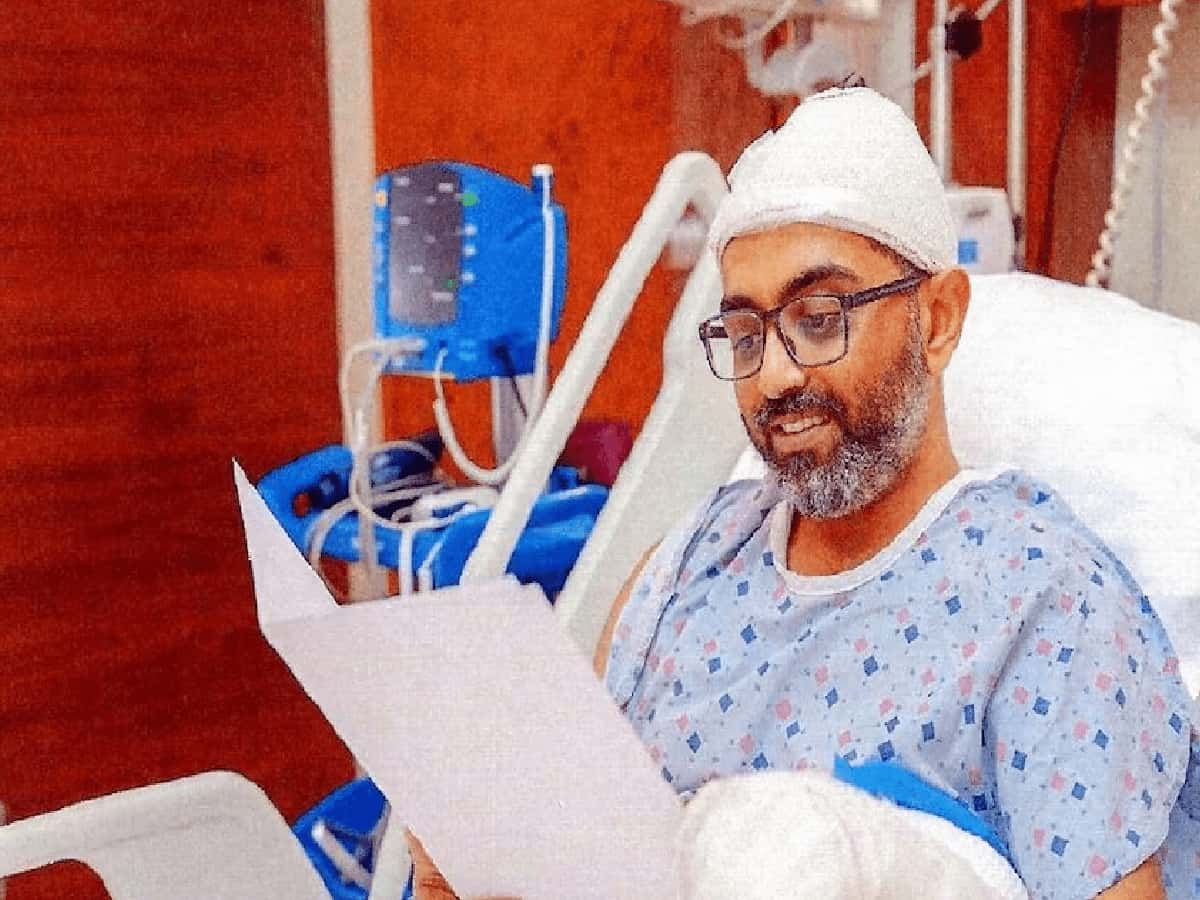
In a series of chilling and unprecedented revelations, Indian commercial pilot Smit Machhar has broken his silence regarding the horrific mid-air cockpit attack he survived aboard a Flydubai flight operating between Dubai and Tel Aviv. Speaking in an exclusive interview with Sky News Arabia on Saturday, October 17, Machhar laid bare the harrowing sequence of events where an ordinary commercial passenger service abruptly morphed into a desperate, life-or-death physical struggle thousands of feet above the ground. The senior aviator, who sustained grievous head injuries during the onboard assault, described his instinctive fight to retain consciousness and preserve the safety of the aircraft, recalling the exact moment he commanded himself to fight back against his rogue co-pilot.
Unsuspecting Takeoff: How a Routine Commercial Sector Descended into Chaos
Machhar explained that the international flight began without any operational red flags or interpersonal tension:
-
Standard Pre-Flight Protocol: The service departed Dubai International Airport following all standard aviation checklists, regulatory sign-offs, and routine crew briefings.
-
First Flight Together: The Indian pilot noted that this specific sector marked the very first time he had ever been rostered to fly alongside the Omani co-pilot.
-
Absence of Hostility: There were zero signs of erratic conduct, verbal arguments, or cockpit discord during the climb and initial cruise phases that could have foreshadowed the violent outburst to come.
Ambush at the Controls: Mistaking the First Blow for Structural Debris
Describing the terrifying onset of the assault, Captain Machhar admitted he was caught entirely off guard while performing his flying duties:
-
Sudden Impact from Behind: Machhar recounted that as the aircraft cruised, he suddenly felt a violent, crushing impact strike the back of his head without warning.
-
Initial Confusion: His immediate thought was that a mechanical piece of aircraft trim or ceiling fixture had detached and fallen upon him from overhead.
-
Realization of the Threat: Turning around, he was met with the horrifying reality that his own first officer had initiated an unprovoked, brutal physical assault in the enclosed flight deck.
The Fight for Survival: 'Smit, Do Something, You Can't Die Like This'
With blood flowing and dizziness threatening to compromise his control of the aircraft, Machhar was forced to rely on pure survival instinct:
-
The Breaking Point: Amid the relentless blows, the pilot acknowledged a fleeting, dark instant where he genuinely believed he would not survive the mid-air ambush.
-
The Crucial Inner Command: In that critical moment of mortal peril, he forced himself to react, recounting: "I told myself, 'Smit, do something, you can't die like this.' If nothing was done right then, the situation could have worsened catastrophically."
-
Averting Catastrophe: By fighting back and securing the cockpit against his assailant, Machhar prevented the rogue co-pilot from seizing unchecked control of the airliner, safeguarding the lives of the passengers and cabin crew on board.
Hospitalization in the UAE: Gradual Road to Recovery in Abu Dhabi
Following the traumatic flight deck encounter, medical intervention was mobilized immediately upon landing:
-
Specialized Clinical Care: Severely injured during the altercation, Machhar was transferred to an advanced medical facility in Abu Dhabi, United Arab Emirates, where he remains under treatment.
-
Steady Physical Healing: Healthcare providers report that the Indian pilot is making steady physical progress as he recovers from trauma wounds inflicted during the assault.
-
Coping with Psychological Shock: Beyond treating his physical injuries, Machhar is currently navigating the heavy psychological toll of surviving one of commercial aviation's rarest and most dangerous emergencies.




