







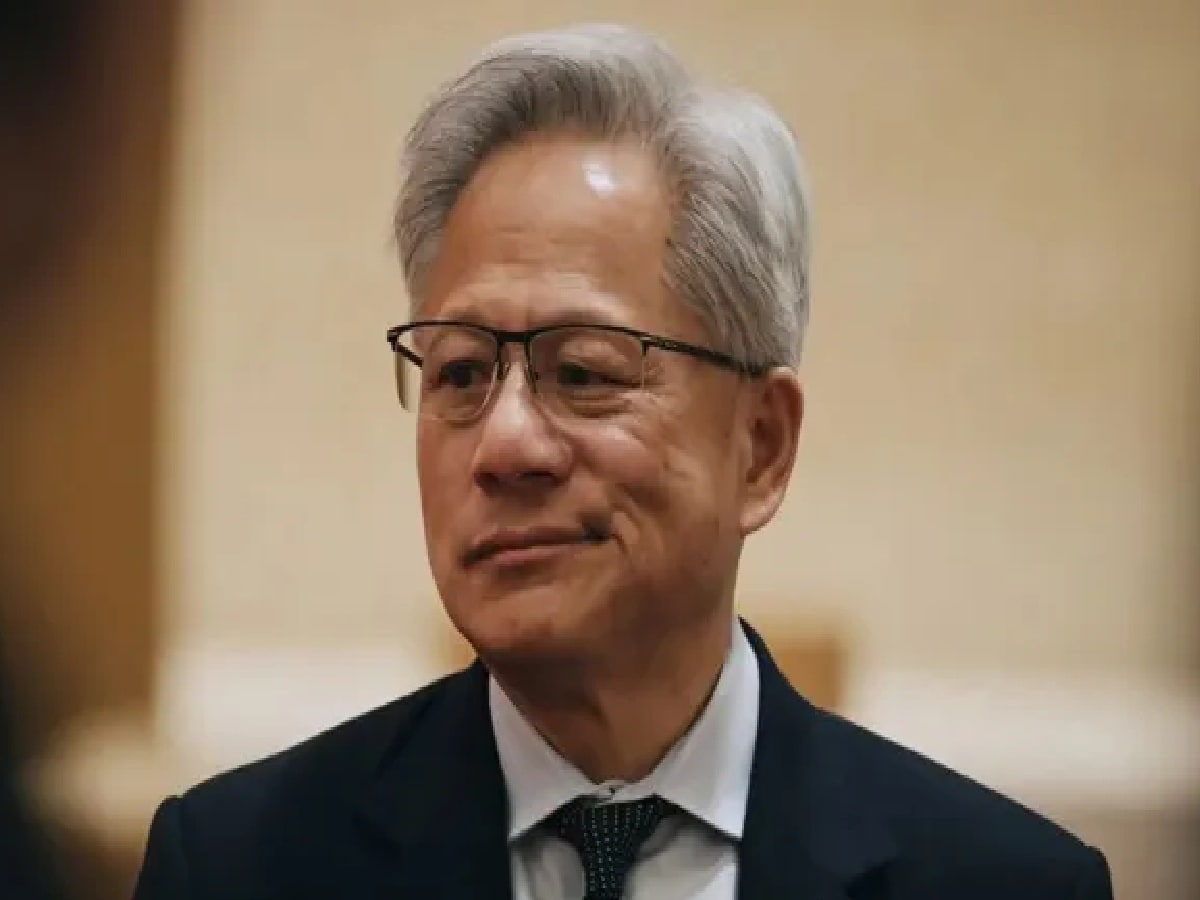
'I'm a Terrible Person': Jensen Huang's Final Hours at Nvidia
After three decades as the charismatic, tireless architect of the global artificial intelligence revolution, Jensen Huang spent his final hours as Chief Executive Officer of Nvidia consumed by exhaustion, remorse, and quiet defeat. The 63-year-old co-founder, who built the Santa Clara-based chipmaker from a graphics-card startup in 1993 into a $4 trillion cornerstone of modern computing, stepped down with immediate effect on Thursday, November 12, 2026. His abrupt exit followed a tumultuous week in which revelations of multiple extramarital affairs and alleged ties to a suspected Chinese intelligence operative shattered his standing in Silicon Valley and Washington, sending shockwaves across global technology hubs from Wall Street to Bengaluru, Hyderabad, Pune, and New Delhi-NCR. According to a Bloomberg report detailing his final days at the helm, the commanding executive demeanor that defined Huang’s public persona had completely vanished by the eve of his departure.
Inside Jensen Huang's Final Hours: From 'I Don't Care' to Remorse
For years, Huang was celebrated across the semiconductor industry for boundless energy, relentless work habits, and obsessive attention to engineering and business details. Yet people familiar with the situation told Bloomberg that weeks of fighting to contain personal and national security allegations left the longtime chief executive visibly depleted. In his final hours leading up to Thursday’s announcement, associates heard the once-indefatigable leader repeatedly utter resigned phrases such as "Whatever" and "I don't care".
By late Wednesday night—less than a week after admitting infidelity in an internal message to Nvidia employees and becoming entangled in an espionage controversy—Huang’s fighting spirit had evaporated entirely. Overwhelmed by guilt and personal regret, Huang reportedly turned inward and cursed himself as a "terribly bad person". People who spoke with him during those final days said he appeared indifferent to his own professional fate, expressing far greater distress over the pain inflicted on his wife of nearly four decades, Lori Huang, and his desire not to ruin the lives of the women whose names had been thrust into global headlines.
Extramarital Affairs and Alleged Chinese Espionage Ties Trigger Exit
The rapid collapse of Huang’s tenure was triggered by a series of explosive investigative reports published by The New York Times and Reuters over the course of a single week. The crisis erupted publicly when The New York Times reported that Huang had engaged in an extramarital relationship with Alice Huang, a Chinese businesswoman linked to Singapore-based technology firm Megaspeed whom US intelligence agencies suspect of feeding sensitive information to Beijing’s intelligence services. Although China’s Foreign Ministry rejected the espionage claims as groundless and US Justice Department officials noted that inquiries had not reached a final conclusion, Nvidia’s board launched an independent investigation into whether its chief executive had been targeted by a foreign intelligence operation.
Even after Huang acknowledged being unfaithful to his wife in an email to staff, further damaging disclosures swiftly followed. Three days later, The New York Times reported that Huang had also conducted an extramarital affair with a senior Nvidia executive who reported directly to him—subsequently identified as Kimberly Powell, the company’s 48-year-old Vice President of Healthcare. Adding to the corporate governance turmoil, Reuters reported allegations involving a third romantic relationship with another unnamed Nvidia employee, raising acute questions among institutional investors about workplace boundaries, executive accountability, and oversight inside the world’s most valuable chip designer.
Donald Trump Urged Huang to Fight, But Board Moves on Succession
The unfolding drama at Nvidia even drew direct intervention from the highest office in the United States. According to The New York Times, US President Donald Trump telephoned Huang on Tuesday—just two days before the resignation—and urged the embattled executive to stand firm and fight to preserve his position. President Trump, who had publicly described Huang earlier in the week as an "honorable guy" going through a difficult ordeal, maintained close contact with the chipmaker’s chief over semiconductor trade and artificial intelligence policy.
However, once details of the internal relationship with a direct subordinate emerged on Wednesday, Huang’s position became untenable. Nvidia’s board of directors convened on Wednesday to chart the company’s future, culminating in Thursday’s formal announcement that Huang had resigned as CEO, president, and board member. In its official statement, the board avoided mentioning the personal conduct or espionage controversies, instead praising Huang’s "immeasurable contributions" to Nvidia and the wider technology ecosystem. To maintain operational stability, the board named veteran Chief Financial Officer Colette Kress as Interim CEO while initiating an external and internal search for a permanent successor. Wall Street reacted swiftly to the sudden leadership vacuum, sending Nvidia shares plunging by as much as 13 to 14 percent at Thursday’s market open before a partial recovery narrowed the single-day loss to 4.3 percent.
Political Fallout Reaches Washington: Commerce Secretary Lutnick Under Scrutiny
Far from ending with his resignation, the repercussions of Huang’s departure are now reverberating through Washington’s national security and trade establishment. Because Nvidia’s advanced graphics processing units sit at the heart of global artificial intelligence infrastructure—powering data centers, cloud platforms, and sovereign AI initiatives in the United States, India, and across allied nations—lawmakers on Capitol Hill are preparing to summon Huang to testify before congressional committees regarding his interactions with Alice Huang and whether sensitive US chip secrets were compromised.
At the same time, the political fallout has reached President Trump’s Cabinet. According to media reports, White House officials are actively weighing whether to remove Commerce Secretary Howard Lutnick from his post over his handling of US technology export controls to China. With critics questioning how advanced American AI chips continued reaching Chinese-linked intermediaries despite export restrictions, Lutnick’s stewardship of export policy has come under intense scrutiny. For Nvidia, the immediate challenge lies in proving to customers, engineers, and global investors that its technological dominance can endure without the iconic founder who walked away calling himself a terrible person.




